Are you proactively safeguarding your joints against arthritis?
Arthritis, particularly osteoarthritis, is a debilitating condition that affects millions worldwide, eroding joint cartilage and causing pain, stiffness, and reduced mobility. While often associated with aging, its onset and progression can be significantly influenced by daily choices and lifestyle habits.
The good news is that you have considerable power to influence your joint destiny. By adopting a proactive approach and integrating specific lifestyle habits, you can build a strong defense against arthritis and enjoy long-term joint health, preserving your mobility and quality of life for years to come.

Understanding Osteoarthritis and Joint Inflammation
Before diving into prevention, it's crucial to understand what we're fighting against. Osteoarthritis (OA) is the most common form of arthritis, often referred to as "wear-and-tear" arthritis. It occurs when the protective cartilage on the ends of your bones wears down over time, leading to bone-on-bone friction, pain, swelling, and stiffness.
Beyond mechanical wear, chronic inflammation plays a significant role in both the initiation and progression of OA and other forms of joint degradation. This inflammation can be systemic, affecting the entire body, or localized within the joint. Factors like diet, stress, lack of sleep, and environmental toxins can fuel this inflammatory response, accelerating cartilage damage and exacerbating symptoms. Therefore, any effective prevention strategy must address both the physical stress on joints and the underlying inflammatory processes.
While some risk factors like genetics and age are beyond our control, a vast majority of contributing elements are modifiable. This article will guide you through evidence-based lifestyle habits that can dramatically reduce your risk of developing arthritis and support existing joint health, helping you maintain an active and pain-free life.
💡 Key Takeaway
Arthritis, particularly osteoarthritis, is not solely an aging phenomenon. It's a complex condition influenced by mechanical stress and chronic inflammation. Proactive lifestyle choices are powerful tools to prevent its onset and manage its progression, offering a path to sustained joint health.
Pillar 1: Nurturing Your Joints Through Nutrition
Your diet is one of the most potent tools you possess for preventing arthritis and managing joint inflammation. What you eat directly influences your body's inflammatory response, cellular repair mechanisms, and overall joint resilience.
Embrace an Anti-Inflammatory Diet
Focus on foods known for their anti-inflammatory properties. This includes a wide array of fruits and vegetables, which are rich in antioxidants and phytonutrients that combat cellular damage and reduce inflammation. Berries, leafy greens, broccoli, and peppers are excellent choices. Incorporate healthy fats like those found in avocados, nuts, seeds, and olive oil, particularly extra virgin olive oil, which contains oleocanthal, a compound with anti-inflammatory effects similar to ibuprofen.
Prioritize Omega-3 Fatty Acids
Omega-3s are renowned for their powerful anti-inflammatory benefits. Fatty fish like salmon, mackerel, sardines, and trout are primary sources. If fish isn't a regular part of your diet, consider flaxseeds, chia seeds, walnuts, or an omega-3 supplement. These essential fats help to reduce the production of inflammatory chemicals in the body, directly benefiting joint tissues.
Limit Pro-Inflammatory Foods
Just as some foods fight inflammation, others can promote it. Significantly reduce your intake of processed foods, refined sugars, trans fats, and excessive red meat. These items can trigger systemic inflammation, accelerating cartilage breakdown and increasing joint pain. Pay attention to how your body reacts to certain foods; some individuals find that avoiding specific items like nightshade vegetables (e.g., tomatoes, potatoes, eggplants) can alleviate joint discomfort. You can learn more about this in our article on Joint Pain Diet: Are Nightshade Vegetables the Culprit?
Stay Hydrated
Water is essential for joint health, as it's a key component of synovial fluid, the lubricating fluid that reduces friction between cartilage and other tissues in joints. Adequate hydration ensures that this fluid remains at optimal levels, allowing for smooth, pain-free movement and nutrient transport to cartilage cells. Aim for at least 8 glasses of water daily, more if you're active.

Pillar 2: The Power of Movement and Exercise
It might seem counterintuitive to exercise when you're concerned about joint wear and tear, but regular physical activity is absolutely vital for joint health and arthritis prevention. The right kind of exercise strengthens the muscles supporting your joints, improves flexibility, and enhances circulation, which delivers vital nutrients to cartilage.
Low-impact exercises are your best friends for joint health. Activities like swimming, cycling, walking, and elliptical training provide cardiovascular benefits and muscle strengthening without putting excessive stress on your joints. Water-based exercises are particularly excellent as the buoyancy reduces body weight, making movement easier and less painful for those with existing joint issues.
Strength training, when done correctly, is also crucial. Strong muscles around a joint act like natural shock absorbers, protecting the cartilage from impact. Focus on exercises that target major muscle groups, using light weights or resistance bands. Always prioritize proper form over heavy lifting to prevent injury. A physical therapist can help you design a joint-friendly strength program.
Flexibility and balance exercises, such as yoga and Tai Chi, improve range of motion, reduce stiffness, and enhance stability, lowering the risk of falls that could injure joints. Incorporating stretching into your daily routine can help maintain the elasticity of tendons and ligaments surrounding your joints.
Remember, consistency is key. Aim for at least 30 minutes of moderate-intensity exercise most days of the week. Even short bursts of activity throughout the day are beneficial. Listen to your body and avoid pushing through sharp pain. If you're new to exercise or have existing joint concerns, consult with your doctor or a physical therapist to create a safe and effective plan.
💡 Key Takeaway
Regular, low-impact exercise is fundamental for joint health. It strengthens supporting muscles, improves flexibility, and nourishes cartilage, significantly lowering the risk of arthritis. Balance cardiovascular activity, strength training, and flexibility work for a comprehensive approach.
Pillar 3: Weight Management and Joint Load Reduction
One of the most impactful lifestyle changes you can make for arthritis prevention, especially for weight-bearing joints like the knees, hips, and spine, is maintaining a healthy body weight. Every extra pound of body weight places an additional four pounds of pressure on your knees when you walk or climb stairs.
Reduced Joint Stress
Excess weight significantly increases the mechanical stress on your joints, accelerating the wear and tear of cartilage. Losing even a small amount of weight can dramatically reduce this burden, slowing the progression of osteoarthritis and alleviating existing pain.
Lower Inflammation
Adipose tissue (fat) is not just inert storage; it's metabolically active and produces inflammatory chemicals called adipokines. These substances can contribute to systemic inflammation, exacerbating joint pain and cartilage degradation throughout the body. Weight loss helps reduce this inflammatory burden.
Improved Mobility
Achieving and maintaining a healthy weight makes movement easier, improves your overall fitness levels, and enhances your ability to participate in physical activities that further support joint health. It creates a positive feedback loop for a more active lifestyle.
Long-Term Protection
By preventing excessive strain and reducing inflammation, healthy weight management offers long-term protection against the development and severity of osteoarthritis. It's a foundational element for safeguarding your joints into old age. For more insights into aging and joint health, consider reading Joint Health & Aging: Preventing Arthritis Over 50.
Pillar 4: Stress Management and Adequate Sleep
While often overlooked in joint health discussions, chronic stress and poor sleep quality can significantly impact your joints by fueling inflammation and impairing the body's natural repair processes.
When you're under chronic stress, your body releases hormones like cortisol. While essential in acute situations, prolonged elevation of cortisol can lead to systemic inflammation, suppress immune function, and interfere with tissue repair, all of which are detrimental to joint health. Finding effective ways to manage stress is crucial. This could include mindfulness meditation, deep breathing exercises, spending time in nature, engaging in hobbies, or practicing yoga.
Quality sleep is equally important. During sleep, your body undergoes crucial repair and regeneration processes. Insufficient or disrupted sleep can impair these processes, increase inflammation, and even lower your pain threshold, making existing joint discomfort feel worse. Aim for 7-9 hours of uninterrupted sleep per night. Establishing a consistent sleep schedule, creating a dark, quiet, and cool bedroom environment, and avoiding screens before bed can all contribute to better sleep hygiene.
Pillar 5: Strategic Supplementation for Joint Support
While a healthy diet and lifestyle are foundational, certain natural supplements can offer targeted support for joint health, complementing your preventative efforts. These ingredients often work by reducing inflammation, supporting cartilage integrity, or providing essential nutrients for joint repair.

Bacopa Monnieri
Role: Known for its adaptogenic properties, Bacopa Monnieri can help the body manage stress and reduce inflammation, which indirectly supports joint health by mitigating systemic inflammatory responses that can exacerbate joint pain and damage.
Typical Dose: 300-450 mg extract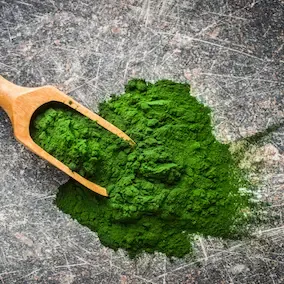
Chlorella
Role: This nutrient-dense algae is packed with antioxidants, vitamins, and minerals. It supports detoxification and has anti-inflammatory properties, contributing to overall cellular health and potentially reducing the inflammatory burden on joints.
Typical Dose: 3-5 g daily
Ginkgo Biloba
Role: Primarily known for improving circulation and cognitive function, Ginkgo Biloba also possesses potent antioxidant and anti-inflammatory effects. Enhanced blood flow can ensure better nutrient delivery to joint tissues, aiding in their health and repair.
Typical Dose: 120-240 mg extract
Lion's Mane Mushroom
Role: This medicinal mushroom is celebrated for its neuroprotective benefits, but it also contains compounds with anti-inflammatory and antioxidant properties. By reducing systemic inflammation, it can contribute to a healthier environment for joint tissues.
Typical Dose: 500-1000 mg extract
Moringa Oleifera
Role: Often called the "miracle tree," Moringa is a powerhouse of vitamins, minerals, antioxidants, and anti-inflammatory compounds. It helps combat oxidative stress and inflammation, supporting the body's natural defenses against joint degradation.
Typical Dose: 2-3 g powder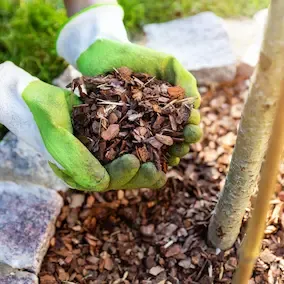
Pine Bark Extract
Role: Rich in proanthocyanidins, Pine Bark Extract (like Pycnogenol) is a powerful antioxidant and anti-inflammatory agent. It helps protect collagen and elastin, crucial components of cartilage and connective tissues, thereby supporting joint structure and flexibility.
Typical Dose: 50-100 mg daily
Spirulina
Role: Another blue-green algae, Spirulina is a complete protein source and rich in phycocyanin, a potent antioxidant and anti-inflammatory pigment. It helps reduce oxidative damage and inflammation, contributing to overall cellular and joint health.
Typical Dose: 1-3 g daily
Tamarind Seed Extract
Role: Emerging research suggests Tamarind Seed Extract contains polysaccharides that can support joint cartilage health and reduce inflammation, offering a natural approach to improving joint comfort and function.
Typical Dose: 250-500 mg dailyThese ingredients are often found in comprehensive joint support formulas, such as JointVive, which combines several of these powerful botanicals to offer a synergistic effect. While supplements are not a standalone solution, they can be a valuable addition to a holistic arthritis prevention strategy, providing your joints with extra nutritional reinforcement. Always consult with a healthcare professional before adding new supplements to your regimen, especially if you have underlying health conditions or are taking medications.
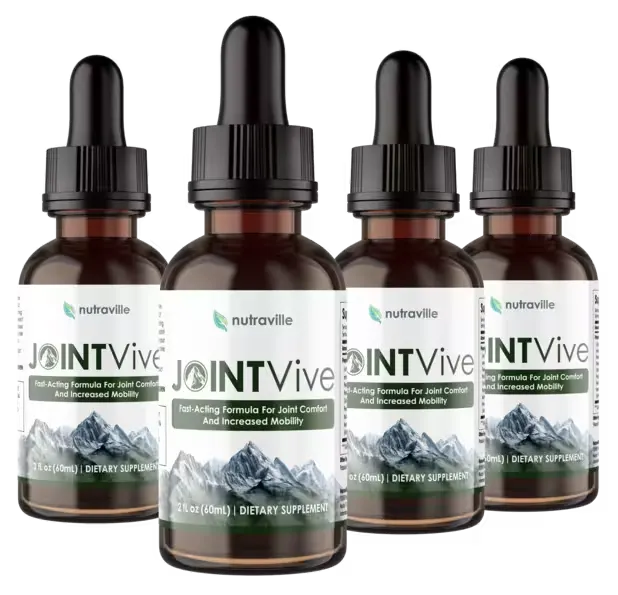
Ready to Give Your Joints the Support They Deserve?
Combining the power of ancient wisdom with modern science, JointVive is formulated with a potent blend of natural ingredients known for their anti-inflammatory, antioxidant, and cartilage-supporting properties. It's designed to be a cornerstone of your proactive joint health regimen.
- ✓ Supports healthy joint function and flexibility
- ✓ Reduces discomfort and stiffness
- ✓ Promotes natural anti-inflammatory responses
- ✓ Nourishes cartilage and connective tissues
- ✓ Made with 100% natural, scientifically-backed ingredients




Integrating These Habits for Lasting Joint Health
Preventing arthritis and maintaining long-term joint health is not about making one grand change, but rather about consistently incorporating a series of small, positive habits into your daily life. It’s a holistic journey that requires patience, persistence, and a commitment to your well-being.
Start by identifying one or two areas where you can make the most immediate impact. Perhaps it's swapping out processed snacks for anti-inflammatory alternatives, or committing to a 20-minute walk each day. Gradually build upon these changes, making them sustainable parts of your routine. Remember, even small steps can lead to significant improvements over time.
Consistency is paramount. The benefits of an anti-inflammatory diet, regular exercise, healthy weight management, stress reduction, and quality sleep accumulate over weeks, months, and years. Don't get discouraged by occasional setbacks; simply get back on track the next day. Your joints are constantly adapting and repairing, and by providing them with the right environment, you empower their natural resilience.
Consider consulting with healthcare professionals, such as a nutritionist, physical therapist, or your primary care physician, to tailor a plan that best suits your individual needs and health status. They can provide personalized advice and help you navigate any specific challenges. With dedication and the right approach, you can significantly reduce your risk of arthritis and enjoy a life of greater mobility and comfort.
What Our Customers Say About JointVive
"I've been taking JointVive for three months, and the difference in my knee comfort is incredible. I can walk my dog without the constant ache I used to have. It's truly helped me stay active."
"My hands and wrists used to feel so stiff in the mornings. Since starting JointVive, I've noticed a significant reduction in stiffness and improved flexibility. It's made my daily tasks much easier."
"I was skeptical about supplements, but JointVive has truly impressed me. My recovery after workouts feels faster, and my joints just feel more supported overall. Highly recommend it!"
Frequently Asked Questions
What are the most crucial lifestyle changes for preventing arthritis?
+The most crucial changes involve adopting a balanced diet rich in anti-inflammatory foods, engaging in regular low-impact exercise, maintaining a healthy weight, managing stress effectively, prioritizing adequate sleep, and staying well-hydrated. These habits collectively support joint integrity and reduce inflammation.
How does diet specifically impact arthritis prevention?
+A diet focused on whole, unprocessed foods, particularly those high in omega-3 fatty acids, antioxidants, and vitamins, can significantly reduce systemic inflammation. Limiting processed sugars, unhealthy fats, and nightshade vegetables (for some individuals) can also play a key role in protecting joint health.
Is exercise always beneficial for joints, or can it cause more damage?
+Exercise is overwhelmingly beneficial for joints, but the type of exercise matters. Low-impact activities like swimming, cycling, walking, and yoga strengthen muscles around joints, improve flexibility, and enhance nutrient delivery without excessive wear and tear. High-impact or improper exercise can indeed cause damage, so listening to your body and consulting a professional is key.
Can natural supplements truly help in preventing arthritis?
+While not a cure, certain natural supplements can support joint health and potentially aid in arthritis prevention by reducing inflammation, supporting cartilage, and providing essential nutrients. Ingredients like turmeric, ginger, glucosamine, chondroitin, and specific botanical extracts found in products like JointVive are often studied for their joint-protective properties. Always consult a healthcare provider before starting any new supplement.
What role does weight management play in long-term joint health?
+Maintaining a healthy weight is paramount for joint health, especially for weight-bearing joints like knees and hips. Excess body weight places significantly more stress on these joints, accelerating cartilage breakdown and increasing the risk of osteoarthritis. Even a modest weight loss can dramatically reduce this burden and slow disease progression.
How quickly can I expect to see improvements in my joint health after adopting these habits?
+The timeline for seeing improvements varies greatly depending on individual factors, the severity of any existing issues, and the consistency of your efforts. While some people may notice subtle changes in discomfort or flexibility within weeks, significant improvements in long-term joint health and arthritis prevention are typically the result of consistent, sustained lifestyle habits over several months or even years. Patience and persistence are key.
Related Articles