Are Your Favorite Foods Fueling Your Joint Pain?
For millions worldwide, joint pain is a relentless companion, impacting daily activities and quality of life. Often, the focus is on medication or physical therapy, but what if a significant part of the solution lies closer to home – specifically, on your dinner plate? The intricate relationship between what you eat and how your joints feel is a field of growing research, particularly concerning inflammation.
This article delves deep into the often-overlooked connection between diet, chronic inflammation, and the persistent discomfort of conditions like osteoarthritis. We'll explore how common foods, including the controversial nightshade vegetables, might be contributing to your joint pain and how strategic dietary changes can offer profound relief.
The Silent Saboteur: Understanding Inflammation and Joint Pain
Inflammation is the body's natural response to injury or infection. It's a vital process for healing, but when it becomes chronic, it can turn into a destructive force, particularly for your joints.
In conditions like osteoarthritis (OA), inflammation plays a critical role beyond simple "wear and tear." While OA is often characterized by the breakdown of cartilage, research increasingly shows that low-grade, persistent inflammation within the joint contributes significantly to this degradation. Inflammatory cells release enzymes that break down cartilage, and the inflammatory mediators themselves cause pain and swelling. Understanding this process is the first step toward managing your symptoms effectively.
Chronic inflammation isn't just localized to the joints; it's a systemic issue often fueled by lifestyle factors, with diet being a primary contributor. When your body is constantly battling inflammation due to the foods you eat, it creates an environment where joint tissues are under constant attack, making them more susceptible to pain, stiffness, and long-term damage.
💡 Key Takeaway
Chronic inflammation, often driven by dietary choices, is a major factor in the progression and severity of joint pain, particularly in osteoarthritis. Managing inflammation through diet can be a powerful tool for relief.
The Dietary Link: How Food Influences Your Joints
The foods we consume can either be a source of healing or a trigger for inflammation. Our modern Western diet, rich in processed ingredients, sugar, and unhealthy fats, is often a recipe for inflammatory responses.
Imagine your body as a finely tuned machine. When you feed it high-quality fuel, it runs smoothly. When you introduce irritants, it starts to sputter, leading to systemic issues. For your joints, this means an increased production of pro-inflammatory cytokines and prostaglandins, chemicals that directly cause pain and swelling. Conversely, a diet rich in anti-inflammatory foods can help suppress these responses, promoting healing and reducing discomfort.
This dietary influence extends beyond just reducing pain; it can also impact the structural integrity of your joints. Nutrients like antioxidants and omega-3 fatty acids are crucial for cartilage health and repair. Without them, or when inflammatory processes overwhelm protective mechanisms, the delicate balance shifts, accelerating cartilage breakdown and worsening osteoarthritis symptoms. Making informed food choices is thus not just about symptom management, but about long-term joint preservation.
Nightshade Vegetables: Friend or Foe for Joint Pain?
Few food groups stir as much debate in the joint health community as nightshade vegetables. This family, known as Solanaceae, includes popular staples like tomatoes, potatoes, eggplants, and peppers.
What are Nightshades?
The nightshade family is incredibly diverse, encompassing thousands of plant species. Many are edible and form a core part of various cuisines worldwide. Key edible nightshades include white potatoes (but not sweet potatoes), tomatoes, all types of peppers (bell peppers, chili peppers, cayenne), and eggplants. These vegetables are rich in vitamins, minerals, and antioxidants, offering significant nutritional benefits for most people.
The Solanine Theory
The controversy surrounding nightshades and joint pain largely stems from their alkaloid content, specifically solanine, which is present in varying amounts in these plants. Alkaloids are naturally occurring compounds, and some, like solanine, can be toxic in very high doses. The theory suggests that for sensitive individuals, even the small amounts in nightshades could trigger an inflammatory response, exacerbating joint pain and stiffness.
Scientific Evidence vs. Anecdotal Reports
Despite numerous anecdotal reports from individuals claiming relief after eliminating nightshades, robust scientific evidence broadly linking nightshade consumption to worsened arthritis symptoms across the general population is limited. Most large-scale studies have not found a direct, consistent correlation. However, this doesn't invalidate personal experiences. Individual sensitivities and genetic predispositions can play a significant role.
How to Test for Sensitivity
If you suspect nightshades are contributing to your joint pain, an elimination diet can be a useful tool. Under the guidance of a healthcare professional, remove all nightshade vegetables from your diet for 2-4 weeks. Carefully monitor your symptoms. If you experience improvement, reintroduce one nightshade vegetable at a time, observing any return of symptoms. This methodical approach can help identify specific triggers without unnecessarily restricting a nutritious food group.

Beyond Nightshades: Other Dietary Triggers for Inflammation
While nightshades get a lot of attention, many other common foods are far more potent drivers of inflammation for most people.
Understanding these broader categories of inflammatory foods is crucial for anyone seeking to alleviate joint pain through diet. It's often not about one specific vegetable, but the overall pattern of eating that impacts systemic inflammation. Here are some of the biggest culprits:
- Processed Foods: Foods high in artificial ingredients, preservatives, and unhealthy fats are notorious for triggering inflammatory responses. Think fast food, pre-packaged meals, and many snack foods.
- Added Sugars: Sugary drinks, candies, pastries, and even hidden sugars in savory foods can lead to a surge in inflammatory markers. Sugar is a primary fuel for inflammation in the body.
- Refined Carbohydrates: White bread, white rice, pasta, and other refined grains are quickly broken down into sugar, leading to similar inflammatory effects as added sugars.
- Unhealthy Fats: Trans fats (found in many processed snacks and fried foods) and an imbalance of omega-6 to omega-3 fatty acids (common in corn, soybean, and sunflower oils) can promote inflammation.
- Excessive Red and Processed Meats: Some studies suggest that high consumption of red and processed meats can increase inflammatory markers, especially when consumed frequently.
- Alcohol: Excessive alcohol intake can contribute to systemic inflammation and may worsen joint symptoms for some individuals.
By identifying and reducing these common inflammatory triggers, you can significantly reduce the burden on your body's immune system and create a more anti-inflammatory environment for your joints.
Embracing an Anti-Inflammatory Diet for Joint Health
Fruits and Vegetables
Load up on colorful fruits and vegetables, especially berries, leafy greens (spinach, kale), broccoli, and cherries. These are packed with antioxidants and phytochemicals that combat inflammation.
Omega-3 Fatty Acids
Incorporate sources of omega-3s like fatty fish (salmon, mackerel, sardines), flaxseeds, chia seeds, and walnuts. Omega-3s are powerful anti-inflammatory agents that can help reduce joint pain and stiffness.
Whole Grains
Opt for whole grains like oats, quinoa, brown rice, and whole wheat bread instead of refined grains. They provide fiber and nutrients that help stabilize blood sugar and reduce inflammation.
Healthy Fats
Choose healthy monounsaturated and polyunsaturated fats from sources like olive oil, avocados, and nuts. These fats are essential for overall health and have anti-inflammatory properties.
Spices and Herbs
Many spices and herbs, such as turmeric, ginger, garlic, and cinnamon, possess potent anti-inflammatory effects. Incorporate them generously into your cooking for both flavor and health benefits.
Adopting an anti-inflammatory diet is not about strict deprivation but rather a shift towards nutrient-dense, whole foods that support your body's natural healing processes. This approach can lead to significant improvements in joint comfort and overall well-being. For more insights on managing inflammation, consider reading about cold and heat therapy for joint pain and inflammation.
💡 Key Takeaway
Focus on a diverse diet rich in fruits, vegetables, lean proteins, whole grains, and healthy fats. Limit processed foods, added sugars, and unhealthy fats to create a powerful anti-inflammatory environment for your joints.
Lifestyle Factors: Beyond the Plate
While diet is a cornerstone of managing joint pain and inflammation, it's part of a larger picture that includes other crucial lifestyle choices.
A holistic approach to joint health acknowledges that multiple factors interact to influence your symptoms. Neglecting these other areas can undermine even the most diligent dietary efforts. Here's how other lifestyle elements play a role:
- Regular Exercise: Low-impact exercises like swimming, cycling, and walking can strengthen the muscles around your joints, improve flexibility, and reduce stiffness. Exercise also helps maintain a healthy weight, which reduces stress on weight-bearing joints.
- Weight Management: Excess body weight places additional strain on joints, particularly the knees and hips, accelerating cartilage wear and increasing inflammatory responses. Losing even a small amount of weight can significantly alleviate joint pain.
- Stress Reduction: Chronic stress can elevate cortisol levels, which in turn can exacerbate systemic inflammation. Practices like yoga, meditation, deep breathing exercises, and spending time in nature can help manage stress effectively.
- Adequate Sleep: Poor sleep quality can intensify pain perception and increase inflammatory markers. Aim for 7-9 hours of quality sleep per night to allow your body to repair and rejuvenate. This is a critical, yet often overlooked, aspect of joint health. You can learn more about this connection in our article on how sleep affects joint pain.
- Hydration: Staying well-hydrated is essential for maintaining the lubrication and elasticity of joint cartilage. Water is a fundamental component of synovial fluid, which nourishes and cushions your joints.
By integrating these lifestyle adjustments alongside a mindful diet, you create a comprehensive strategy for long-term joint health and pain management.
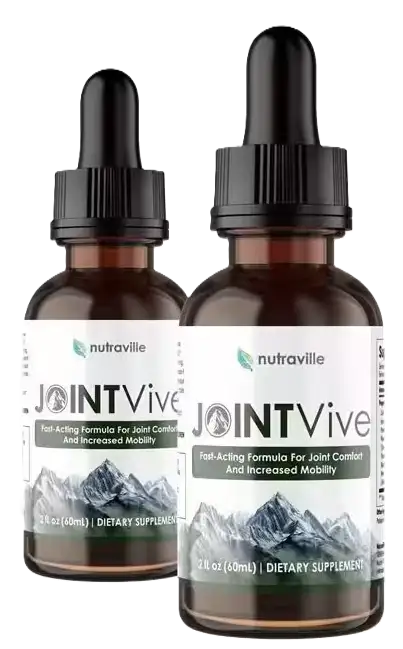
JointVive: A Natural Complement to Your Anti-Inflammatory Journey
While diet and lifestyle form the foundation of joint health, natural supplements can offer targeted support, providing key nutrients and botanical extracts that work synergistically to combat inflammation and support joint repair. JointVive is formulated with a blend of ingredients chosen for their proven benefits in promoting joint comfort and mobility.

Bacopa Monnieri
Role: Known for its adaptogenic and anti-inflammatory properties, Bacopa helps manage the body's stress response and reduce systemic inflammation that can impact joints.
Typical Dose: 300-450mg extract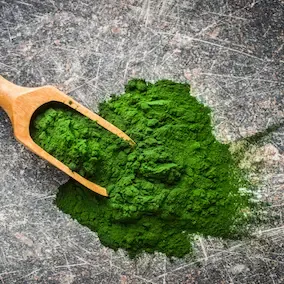
Chlorella
Role: This nutrient-dense algae is a powerful detoxifier and immune modulator, rich in antioxidants that fight oxidative stress and inflammation in the joints.
Typical Dose: 2-5g daily
Ginkgo Biloba
Role: Improves blood circulation, which is vital for delivering nutrients to joint tissues and removing waste products, thereby supporting healing and reducing inflammation.
Typical Dose: 120-240mg extract
Lion's Mane Mushroom
Role: Contains compounds that support nerve growth factor and possess anti-inflammatory properties, potentially aiding in nerve-related joint pain and overall cellular health.
Typical Dose: 1-3g extract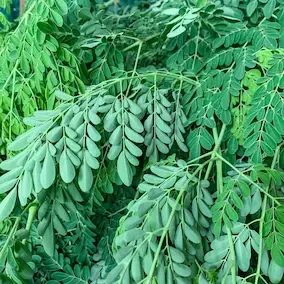
Moringa Oleifera
Role: Often called the "miracle tree," Moringa is packed with anti-inflammatory compounds, vitamins, and minerals that help reduce pain and swelling in arthritic joints.
Typical Dose: 0.5-1g extract
Pine Bark Extract (Pycnogenol)
Role: A potent antioxidant and anti-inflammatory agent, it helps protect cartilage from damage and reduces pain and stiffness associated with osteoarthritis.
Typical Dose: 50-100mg daily
Spirulina
Role: Another powerful algae, rich in phycocyanin, a compound with significant anti-inflammatory and antioxidant effects that can protect joint tissues.
Typical Dose: 1-3g daily
Tamarind Seed Extract
Role: Emerging research suggests tamarind seeds have anti-arthritic and anti-inflammatory properties, supporting cartilage health and reducing oxidative stress in joints.
Typical Dose: 250mg extractFor individuals seeking a comprehensive approach to joint health, especially those looking for alternatives or complements to traditional glucosamine-based supplements, JointVive offers a unique blend of natural ingredients. You can explore more about alternatives in our article joint supplements without glucosamine.

Reclaim Your Comfort with JointVive
If you're tired of joint pain dictating your life, JointVive offers a science-backed, natural solution to support your joints, reduce inflammation, and improve mobility. Don't let diet and inflammation hold you back any longer.
- ✓ Supports Healthy Inflammatory Response
- ✓ Promotes Cartilage Health and Repair
- ✓ Enhances Joint Flexibility and Mobility
- ✓ Formulated with 100% Natural Ingredients
- ✓ Made in the USA, GMP Certified




What Our Customers Are Saying
"I was skeptical about diet affecting my joints, but after cutting back on processed foods and adding JointVive, the difference is night and day. My morning stiffness is almost gone!"
"I used to think my joint pain was just 'getting old,' but Dr. Jackson's article made me rethink my diet. Combined with JointVive, I'm more active than I've been in years. Thank you!"
"The relief I've found with JointVive and a more mindful diet is incredible. I can now enjoy my daily walks without constant discomfort. Highly recommend trying it!"
Frequently Asked Questions
What role does diet play in joint pain and inflammation?
+Diet is a significant factor in managing joint pain and inflammation. Certain foods can trigger or worsen inflammatory responses in the body, while others possess anti-inflammatory properties that can help alleviate symptoms. An anti-inflammatory diet focuses on whole, unprocessed foods, healthy fats, and antioxidants to support overall joint health.
Are nightshade vegetables truly bad for everyone with joint pain?
+No, nightshade vegetables are not inherently bad for everyone with joint pain. While some individuals report increased symptoms after consuming nightshades due to sensitivities to alkaloids like solanine, scientific evidence broadly linking them to widespread arthritis flare-ups is limited. It's more likely a personal sensitivity, and an elimination diet under medical supervision can help identify if they affect you.
What are common inflammatory foods to avoid for joint health?
+Common inflammatory foods often include highly processed foods, sugary drinks, refined carbohydrates (white bread, pasta), unhealthy fats (trans fats, excessive omega-6s from certain vegetable oils), and red and processed meats. These foods can promote systemic inflammation, exacerbating conditions like osteoarthritis and contributing to joint discomfort.
How can an anti-inflammatory diet help with osteoarthritis?
+An anti-inflammatory diet can significantly benefit osteoarthritis by reducing systemic inflammation, which is a key driver of cartilage degradation and pain. By incorporating foods rich in antioxidants, omega-3 fatty acids, and fiber, this diet helps to mitigate inflammatory pathways, support joint tissue repair, and potentially slow the progression of the disease, leading to improved mobility and reduced pain.
Can supplements like JointVive support joint health alongside diet?
+Yes, natural supplements like JointVive can complement a healthy diet and lifestyle by providing targeted nutrients and botanical extracts known for their anti-inflammatory, antioxidant, and joint-supportive properties. Ingredients such as Bacopa, Chlorella, and Ginkgo Biloba in JointVive are formulated to help manage inflammation and support cartilage integrity, offering an additional layer of support for those experiencing joint discomfort.
How quickly can dietary changes impact joint pain?
+The impact of dietary changes on joint pain can vary greatly among individuals. Some people may notice improvements within a few weeks of consistently adopting an anti-inflammatory diet, while for others, it might take several months. Sustained commitment to healthy eating habits is crucial for long-term benefits, as it helps to reduce chronic inflammation over time.
Related Articles