Are you looking for effective ways to manage persistent joint pain and inflammation?
Living with chronic joint pain, particularly from conditions like osteoarthritis, can be a debilitating experience, impacting every aspect of daily life. The constant ache, stiffness, and reduced mobility can make even simple tasks feel monumental, often leading many to seek various methods for relief.
Among the myriad of approaches available, two of the most accessible, time-tested, and widely recommended non-pharmacological methods are cold and heat therapy. These simple temperature-based treatments offer a path to natural, non-invasive pain relief, providing comfort and improved function without the need for medication in many cases.
Understanding Joint Pain and the Role of Inflammation
Before delving into the specifics of cold and heat therapy, it's crucial to grasp what causes joint pain and why inflammation is often at its core, particularly in conditions like osteoarthritis.
Osteoarthritis (OA) is the most common form of arthritis, affecting millions worldwide. It's a degenerative joint disease characterized by the breakdown of cartilage—the slippery tissue that covers the ends of bones in a joint, allowing them to glide smoothly over each other. When cartilage wears away, bones rub directly against each other, causing pain, swelling, stiffness, and reduced range of motion.
While often considered a "wear and tear" disease, OA is also profoundly influenced by inflammation. When cartilage breaks down, it releases particles that can irritate the joint lining (synovium), triggering an inflammatory response. This inflammation, in turn, contributes to further cartilage degradation, creating a vicious cycle of pain and damage. The body's natural response to injury or irritation, inflammation, involves increased blood flow, fluid accumulation, and the release of chemical mediators that sensitize nerve endings, leading to pain.
Managing this pain and inflammation is paramount for improving quality of life for those with OA. While medications can help, many individuals seek non-pharmacological, natural, and accessible methods to complement their treatment plans, which is where temperature therapies shine.
💡 Key Takeaway
Joint pain, particularly from osteoarthritis, is often driven by inflammation and cartilage breakdown. Cold and heat therapies offer accessible, drug-free methods to manage these symptoms, providing significant relief and improving joint function by targeting physiological responses to temperature changes.
The Power of Cold Therapy (Cryotherapy) for Acute Pain
Cold therapy, also known as cryotherapy, is a time-honored technique used to treat acute pain, swelling, and inflammation. It works by constricting blood vessels and slowing down nerve activity.
When cold is applied to a joint, several physiological changes occur:
- Vasoconstriction: The blood vessels in the treated area narrow, reducing blood flow. This helps to minimize swelling and fluid accumulation around the joint, which is crucial in acute injuries or inflammatory flare-ups.
- Reduced Metabolic Rate: Cold lowers the metabolic activity of cells in the affected area, which can limit secondary tissue damage following an injury.
- Numbness and Pain Relief: Cold slows the conduction of nerve impulses, effectively numbing the area. This reduces the transmission of pain signals to the brain, providing immediate pain relief. This effect is particularly beneficial for sharp, localized pain.
- Decreased Muscle Spasm: By reducing nerve excitability and promoting muscle relaxation, cold therapy can alleviate muscle spasms that often accompany joint pain.
When to Use Cold Therapy: Cold therapy is most effective for acute injuries (within the first 24-48 hours), such as sprains, strains, bruises, or sudden flare-ups of chronic conditions like gout or osteoarthritis where there is noticeable swelling, redness, and warmth. It's also beneficial post-exercise to reduce muscle soreness and prevent inflammation.
Methods of Application:
- Ice Packs: Crushed ice in a plastic bag or specialized gel packs.
- Cold Compresses: Cloths soaked in cold water.
- Cryotherapy Gels/Sprays: Topical applications that provide a cooling sensation.
- Ice Massage: Rubbing an ice cube directly over a small, localized area.
- Cold Water Immersion: Soaking a limb in a bucket of ice water (e.g., for ankle or knee pain).
Important Precautions: Always place a thin cloth or towel between the cold source and your skin to prevent frostbite. Apply for 15-20 minutes at a time, removing the cold pack if the skin becomes uncomfortably numb or painful. Allow the skin to return to normal temperature before reapplying. Avoid cold therapy if you have circulatory problems (e.g., Raynaud's phenomenon), nerve damage, or open wounds.
The Comfort of Heat Therapy (Thermotherapy) for Chronic Stiffness
In contrast to cold therapy, heat therapy, or thermotherapy, is typically used for chronic conditions, stiffness, and muscle relaxation. It works by increasing blood flow and promoting tissue elasticity.
When heat is applied to a joint, it triggers a different set of physiological responses:
- Vasodilation: Blood vessels expand, increasing blood flow to the area. This delivers more oxygen and nutrients to the tissues, aiding in healing, and helps to flush away metabolic waste products that contribute to pain.
- Muscle Relaxation: Heat helps to relax tight muscles around the joint, reducing spasms and stiffness. This can significantly improve comfort and range of motion.
- Increased Tissue Elasticity: Heat makes connective tissues, such as tendons and ligaments, more pliable and flexible. This is particularly beneficial for improving joint mobility and reducing stiffness, especially before physical activity.
- Pain Gate Theory: Heat stimulates thermoreceptors, which can interfere with the transmission of pain signals to the brain, providing a soothing analgesic effect.
When to Use Heat Therapy: Heat therapy is ideal for chronic pain, stiffness, muscle aches, and before activities that require joint flexibility. It's excellent for conditions like chronic osteoarthritis (without active inflammation), fibromyalgia, or general muscle soreness. It's also effective for warming up stiff joints before exercise.
Methods of Application:
- Heating Pads: Electric heating pads provide consistent dry heat.
- Warm Compresses/Moist Heat Packs: Towels soaked in warm water or specialized microwaveable packs provide penetrating moist heat.
- Warm Baths/Showers: Full body immersion can relieve widespread stiffness and muscle aches.
- Paraffin Wax Baths: Excellent for small joints like hands and feet, providing deep, even heat.
Important Precautions: Ensure the heat is comfortably warm, not scalding. Avoid direct application of very hot sources to the skin. Limit application to 20-30 minutes. Do not use heat on acute injuries with swelling, redness, or bruising, as it can worsen inflammation. Avoid heat if you have circulatory problems, diabetes with neuropathy, or areas of impaired sensation, as you might not feel if the heat is too intense. Also, be cautious with open wounds or infections.
Choosing the Right Therapy: Cold vs. Heat
Deciding whether to use cold or heat therapy can sometimes be confusing. The general rule of thumb is "Cold for acute, Heat for chronic," but let's explore the nuances.
Acute Injuries and Inflammatory Flare-Ups: Choose Cold
If you've just twisted your ankle, experienced a sudden knee pain, or your arthritic joint is hot, swollen, and red, reach for cold. Cold therapy will help constrict blood vessels, reduce swelling, and numb the pain. Think of the "RICE" principle (Rest, Ice, Compression, Elevation) for immediate injury care.
Chronic Stiffness and Muscle Aches: Opt for Heat
For persistent stiffness, chronic aches, or muscle tension that isn't accompanied by acute swelling or inflammation, heat is your best friend. It relaxes muscles, increases blood flow, and improves flexibility. This is particularly useful for osteoarthritis sufferers who wake up with stiff joints or experience stiffness after periods of inactivity.
Before Activity vs. After Activity
Applying heat before exercise or physical activity can help warm up muscles and joints, increasing flexibility and reducing the risk of injury. Conversely, using cold therapy after strenuous activity can help prevent inflammation and muscle soreness.
Listen to Your Body
Ultimately, your body's response is the best guide. If one therapy feels better and provides more relief, continue with that. Some individuals find more comfort with one over the other, regardless of the typical guidelines. Experiment safely to find what works for you.
The Benefits of Contrast Therapy: Combining Cold and Heat
For some conditions, alternating between cold and heat, known as contrast therapy, can be even more effective than using either therapy alone. This approach leverages the distinct physiological responses of both temperatures to create a synergistic effect.
The primary mechanism behind contrast therapy is the "pumping" action it creates in the blood vessels. Cold causes vasoconstriction (narrowing), while heat causes vasodilation (widening). This rapid alternation of blood flow can help to:
- Reduce Swelling: The pumping action can help move stagnant fluid out of the injured area, reducing edema and swelling more effectively than sustained cold or heat alone.
- Improve Circulation: By actively stimulating blood flow, contrast therapy can enhance the delivery of oxygen and nutrients to healing tissues and accelerate the removal of metabolic waste products.
- Decrease Stiffness: The initial heat application helps relax muscles and increase tissue elasticity, while the subsequent cold reduces any potential inflammatory response, leaving the joint feeling more mobile and less stiff.
- Alleviate Pain: The alternating sensations can also help to modulate pain signals, providing significant relief for chronic and sub-acute conditions.
How to Apply Contrast Therapy: A common method involves immersing the affected joint (if possible, like a hand or foot) in warm water for 3-4 minutes, then immediately switching to cold water for 1 minute. Repeat this cycle 3-5 times, always ending with cold. For larger joints, you can alternate between hot and cold packs. This approach is often recommended for conditions like chronic ankle sprains, tendonitis, or persistent joint stiffness.
Tips for Effective Home Temperature Therapy
To maximize the benefits and ensure safety, follow these practical tips when applying cold or heat therapy at home.
Always Use a Barrier
Never apply ice packs or very hot packs directly to your skin. Always wrap them in a thin towel or cloth to prevent frostbite or burns. This is crucial for protecting your skin and underlying tissues.
Adhere to Recommended Times
Stick to the recommended application times (15-20 minutes for cold, 20-30 minutes for heat). Over-application can lead to adverse effects, such as skin damage or, in the case of cold, a rebound effect where blood flow increases excessively.
Monitor Your Skin
Regularly check the skin under the pack for any signs of extreme redness, blistering, or unusual numbness. If you experience discomfort or skin changes, remove the pack immediately.
Listen to Your Body
Pain is a signal. While some discomfort might occur initially, the therapy should ultimately feel soothing or provide relief. If pain intensifies or you feel unwell, stop the treatment.
Consult a Professional
If your joint pain is severe, persistent, or accompanied by other concerning symptoms (fever, unexplained weight loss), consult a doctor or physical therapist. They can provide an accurate diagnosis and guide you on the most appropriate treatment plan.
Educate Yourself
Understand the specific condition you are treating. For instance, knowing the difference between an acute injury and chronic osteoarthritis will help you choose the correct therapy. For more insights on various remedies, you can read our article on Joint Health Remedies That Work.
Beyond Temperature: A Holistic Approach to Joint Health
While cold and heat therapies are powerful tools for managing joint pain and inflammation, they are often most effective when integrated into a comprehensive, holistic approach to joint health.
True, lasting joint comfort comes from addressing multiple facets of your well-being. This includes:
- Diet and Nutrition: Eating an anti-inflammatory diet rich in fruits, vegetables, whole grains, and lean proteins can significantly reduce systemic inflammation. Incorporating foods rich in omega-3 fatty acids, antioxidants, and vitamins can support joint tissue health. For more detailed information, consider reading about Foods That Reduce Joint Inflammation and Arthritis.
- Regular, Low-Impact Exercise: Movement helps lubricate joints, strengthen surrounding muscles, and improve flexibility. Activities like swimming, cycling, walking, and yoga are excellent choices for joint health.
- Weight Management: Maintaining a healthy weight reduces the load on weight-bearing joints (knees, hips, spine), thereby decreasing pain and slowing the progression of osteoarthritis.
- Stress Management: Chronic stress can exacerbate inflammation and pain perception. Practices like meditation, deep breathing, and mindfulness can help manage stress levels.
- Quality Sleep: Adequate sleep is essential for the body's repair processes and can help reduce inflammation and pain sensitivity.
In addition to these lifestyle factors, many individuals find benefit from natural supplements that provide targeted support for joint health. These supplements are designed to work from within, addressing the nutritional needs of joints and helping to manage the inflammatory processes that contribute to pain.
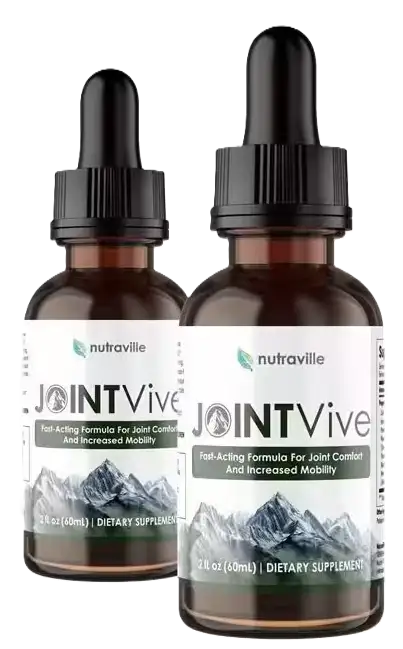
Complementing Therapy: Natural Support for Joint Health with JointVive
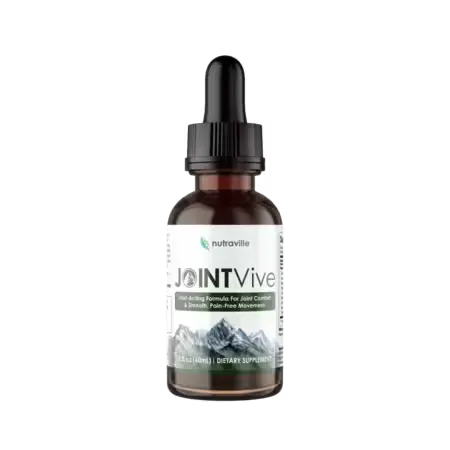
While external therapies like cold and heat offer immediate relief, supporting your joints internally with a well-formulated supplement can provide long-term benefits. JointVive is designed to work synergistically with physical therapies, offering a blend of natural ingredients known for their anti-inflammatory and joint-supporting properties.

Tamarind Extract
Role: Supports joint comfort and flexibility by reducing inflammation and promoting healthy cartilage function. Contains powerful antioxidants.
Typical Dose: 250-500mg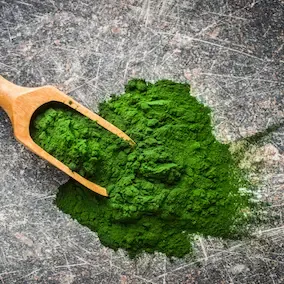
Chlorella
Role: A nutrient-dense superfood that aids in detoxification and provides a rich source of vitamins, minerals, and antioxidants to support overall cellular health and reduce oxidative stress in joints.
Typical Dose: 1-3g
Ginkgo Biloba
Role: Known for its ability to improve circulation, which can enhance nutrient delivery to joints and aid in waste removal, supporting joint repair and reducing stiffness. Also acts as an antioxidant.
Typical Dose: 120-240mg
Bacopa Monnieri
Role: An adaptogenic herb with anti-inflammatory properties that can help modulate the body's stress response and reduce inflammation, contributing to pain relief and nerve health around the joints.
Typical Dose: 300-450mg
Moringa
Role: Packed with vitamins, minerals, and potent anti-inflammatory compounds, Moringa helps combat inflammation at a cellular level, providing comprehensive support for joint health and overall well-being.
Typical Dose: 500-1000mg
Pine Bark Extract
Role: A powerful antioxidant that helps protect joint tissues from oxidative damage and reduce inflammatory markers, supporting cartilage integrity and reducing pain.
Typical Dose: 50-100mg
Spirulina
Role: Another potent superfood, Spirulina offers a wealth of nutrients and anti-inflammatory compounds that contribute to cellular repair, immune modulation, and overall joint resilience.
Typical Dose: 1-3g
Lion's Mane
Role: Known for its neuroprotective and anti-inflammatory effects, Lion's Mane supports nerve health, which can be beneficial for managing nerve-related joint pain and promoting overall systemic balance.
Typical Dose: 500-1000mg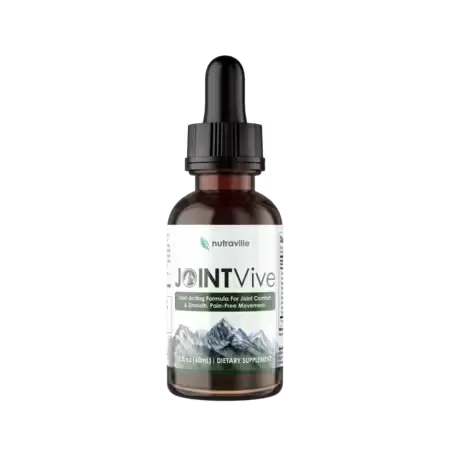
Ready to Experience Lasting Joint Comfort?
While cold and heat therapies offer immediate relief, a comprehensive approach includes supporting your joints from within. JointVive provides a natural, potent blend of ingredients designed to complement your pain management strategy, promoting long-term joint health and comfort.
- ✓ Reduces Inflammation and Swelling
- ✓ Supports Cartilage Health & Regeneration
- ✓ Enhances Joint Mobility & Flexibility
- ✓ Alleviates Chronic Joint Pain & Stiffness
- ✓ 100% Natural, Non-GMO, and Safe Formula




What Our Customers Say About JointVive
"I've been using cold packs for my knee pain for years, but adding JointVive has made a real difference. The stiffness in the morning is much less, and I feel more active. It's truly a great combination."
"My doctor suggested heat therapy for my chronic back pain. While it helped, I still had flare-ups. JointVive has calmed things down significantly. I feel like my joints are getting the support they need from the inside out."
"Alternating hot and cold was a game-changer for my arthritic hands, but the relief was temporary. Since starting JointVive, I've noticed a profound reduction in overall inflammation and improved dexterity. Highly recommend!"
Frequently Asked Questions
When should I use cold therapy for joint pain?
+Cold therapy, or cryotherapy, is generally recommended for acute joint injuries, fresh sprains, strains, or flare-ups of chronic conditions like osteoarthritis that involve swelling, redness, and heat. It helps to reduce inflammation, numb nerve endings to alleviate pain, and minimize bruising. Apply cold packs for 15-20 minutes at a time, with a cloth barrier between the ice and your skin, several times a day.
When is heat therapy more appropriate for joint pain?
+Heat therapy is best suited for chronic joint pain, stiffness, and muscle soreness without active inflammation. It helps relax tense muscles, increase blood flow to the area, and improve joint flexibility. Conditions like chronic osteoarthritis, muscle stiffness, or before exercise can benefit from heat. Use moist heat packs, warm baths, or heating pads for 20-30 minutes, ensuring the temperature is comfortable and not scalding.
Can I combine cold and heat therapy, and how?
+Yes, contrast therapy, which involves alternating between cold and heat, can be highly effective for some types of joint pain and stiffness. This method creates a 'pumping' action that can increase circulation, reduce swelling, and improve nutrient delivery to the joint. A common approach is to apply heat for 15-20 minutes, followed immediately by cold for 5-10 minutes, repeating the cycle 2-3 times. Always end with cold if there's any risk of swelling.
How long should I apply cold or heat to my joints?
+For cold therapy, typically 15-20 minutes is sufficient, with at least 20 minutes between applications to allow the skin temperature to normalize. For heat therapy, 20-30 minutes is often recommended. It’s crucial to never apply extreme temperatures directly to the skin and to always use a protective barrier. Over-application can lead to skin damage (frostbite or burns) or exacerbate inflammation.
Are there any risks or precautions when using cold or heat therapy?
+Yes, both therapies have precautions. Avoid cold therapy if you have circulatory disorders (like Raynaud's phenomenon), nerve damage, or open wounds. Avoid heat therapy if you have acute inflammation, fever, deep vein thrombosis, or areas of impaired sensation. Always consult a healthcare professional before starting any new therapy, especially if you have underlying health conditions or are unsure about the cause of your joint pain.
Can JointVive complement cold and heat therapy for joint health?
+Absolutely. While cold and heat therapies provide symptomatic relief, JointVive is formulated with natural ingredients designed to support overall joint health from within, targeting underlying inflammation and providing nutritional support. It can work synergistically with external therapies by promoting a healthier joint environment, potentially reducing the frequency or severity of pain and inflammation, and enhancing mobility. Always discuss any new supplement with your doctor.
Related Articles