Are you tired of chronic joint pain and stiffness limiting your life?
Living with osteoarthritis or persistent joint inflammation can be a debilitating experience, impacting your mobility, comfort, and overall quality of life. The daily aches, swelling, and reduced flexibility can make even simple tasks feel monumental, leading many to seek effective ways to manage their symptoms and reclaim their well-being.
While various medical treatments and therapies exist, a powerful and often underestimated ally in the fight against joint inflammation lies right in your kitchen: your diet. The foods you choose to consume can significantly influence your body's inflammatory response, offering a natural pathway to alleviate arthritis symptoms and promote long-term joint health. Understanding which foods to embrace and which to limit is a crucial step towards a more comfortable and active future.
The Inflammatory Link: How Diet Impacts Your Joints
Before diving into specific foods, it's essential to understand the fundamental connection between your diet and joint health. Inflammation is your body's natural response to injury or infection, a protective mechanism designed to heal. However, when inflammation becomes chronic, it can turn destructive, particularly in your joints, leading to conditions like osteoarthritis (OA) and rheumatoid arthritis (RA).
Osteoarthritis, the most common form of arthritis, is often characterized by the breakdown of cartilage – the protective tissue that cushions the ends of your bones. While mechanical wear and tear play a role, inflammation is increasingly recognized as a key driver in OA progression. Inflammatory molecules and enzymes can degrade cartilage, leading to pain, swelling, and reduced joint function. The good news is that by making informed dietary choices, you can actively reduce systemic inflammation, thereby protecting your joints and alleviating symptoms.
A diet rich in processed foods, refined sugars, and unhealthy fats can exacerbate inflammation, creating a pro-inflammatory environment in the body. Conversely, a diet brimming with antioxidants, omega-3 fatty acids, and phytonutrients can help to calm this inflammatory storm, promoting healing and reducing discomfort. This article will guide you through the most powerful anti-inflammatory foods that deserve a place on your plate.
💡 Key Takeaway
Chronic inflammation, often fueled by poor dietary choices, significantly contributes to joint degradation and arthritis symptoms. Adopting an anti-inflammatory diet is a proactive and natural way to mitigate this damage and improve joint health.
Omega-3 Fatty Acids: The Inflammation Fighters
Omega-3 fatty acids are perhaps the most well-known dietary heroes in the fight against inflammation. These polyunsaturated fats are crucial for cellular function and play a significant role in modulating the body's inflammatory pathways.
Specifically, eicosapentaenoic acid (EPA) and docosahexaenoic acid (DHA), found predominantly in fatty fish, are converted into potent anti-inflammatory compounds in the body. These compounds can help to reduce the production of inflammatory chemicals, such as prostaglandins and leukotrienes, which contribute to joint pain and swelling. Regular consumption of omega-3s has been linked to decreased morning stiffness, tenderness, and overall pain in individuals with arthritis.
Top Sources of Omega-3s:
- Fatty Fish: Salmon, mackerel, sardines, herring, and anchovies are excellent sources. Aim for at least two servings per week. Wild-caught varieties often have higher omega-3 content.
- Flaxseeds: Ground flaxseeds are rich in alpha-linolenic acid (ALA), a plant-based omega-3. While ALA needs to be converted to EPA and DHA in the body (a process that isn't always efficient), it still offers anti-inflammatory benefits. Add to smoothies, oatmeal, or salads.
- Chia Seeds: Similar to flaxseeds, chia seeds are another great plant-based source of ALA. They can absorb liquid and form a gel, making them versatile for puddings, overnight oats, or as a thickener.
- Walnuts: These nuts provide a good amount of ALA and make a healthy snack or addition to meals.
- Hemp Seeds: Another plant-based option, hemp seeds offer a balanced ratio of omega-3 and omega-6 fatty acids, along with protein and fiber.
Incorporating these foods regularly can significantly contribute to reducing your body's inflammatory load. For those who struggle to consume enough fatty fish or plant-based omega-3s, omega-3 supplements derived from fish oil or algae can be a beneficial alternative, but always consult with a healthcare professional before starting any new supplement regimen.

Antioxidant-Rich Fruits and Vegetables: Nature's Anti-Inflammatory Pharmacy
Free radicals are unstable molecules that can cause oxidative stress and cellular damage, leading to inflammation. Antioxidants are compounds that neutralize these free radicals, protecting your cells and reducing inflammatory responses. Fruits and vegetables are powerhouse sources of a wide array of antioxidants, including vitamins C and E, beta-carotene, and numerous phytonutrients.
Consuming a diverse range of colorful fruits and vegetables ensures you're getting a broad spectrum of these protective compounds. Each color often signifies different types of antioxidants, working synergistically to combat inflammation. Aim for a "rainbow" on your plate every day.
Key Antioxidant-Rich Foods:
- Berries: Blueberries, strawberries, raspberries, and cherries (especially tart cherries) are packed with anthocyanins, powerful antioxidants known to reduce inflammation and pain, particularly in conditions like gout and OA.
- Leafy Green Vegetables: Spinach, kale, collard greens, and Swiss chard are rich in vitamins K and C, as well as various phytonutrients that have anti-inflammatory effects. They also provide calcium and other minerals essential for bone health.
- Cruciferous Vegetables: Broccoli, cauliflower, Brussels sprouts, and cabbage contain compounds like sulforaphane, which can block enzymes involved in joint destruction and reduce inflammation.
- Bell Peppers: Especially red and yellow varieties, are excellent sources of vitamin C, a potent antioxidant vital for collagen production and protection against inflammation.
- Tomatoes: Rich in lycopene, another powerful antioxidant that can reduce systemic inflammation. Cooking tomatoes can even enhance lycopene's bioavailability.
- Citrus Fruits: Oranges, grapefruits, lemons, and limes provide ample vitamin C, which is crucial for collagen synthesis and immune function, both important for joint health.
Making these vibrant foods a staple in your diet can provide a continuous supply of anti-inflammatory agents, supporting joint health from within. Don't underestimate the simple yet profound impact of eating more plants.
Whole Grains and Legumes: Fiber, Nutrients, and Steady Energy
While some diets advocate for limiting grains, opting for whole grains over refined grains can be highly beneficial for managing inflammation. Whole grains retain their bran, germ, and endosperm, providing fiber, B vitamins, and minerals that are stripped away in refined versions. Legumes, on the other hand, are nutritional powerhouses, offering protein, fiber, and an array of anti-inflammatory compounds.
The fiber in whole grains and legumes plays a critical role in gut health, which is increasingly linked to systemic inflammation. A healthy gut microbiome can produce beneficial short-chain fatty acids that have anti-inflammatory properties, while an unhealthy gut can contribute to inflammation throughout the body. Furthermore, the steady release of energy from complex carbohydrates helps stabilize blood sugar, preventing inflammatory spikes.
Beneficial Whole Grains and Legumes:
- Oats: A fantastic source of soluble fiber, oats can help regulate blood sugar and promote gut health. Opt for steel-cut or rolled oats over instant varieties.
- Quinoa: A complete protein and gluten-free whole grain, quinoa is rich in fiber, magnesium, and phosphorus, all important for overall health and reducing inflammation.
- Brown Rice: A healthier alternative to white rice, brown rice provides fiber and essential nutrients.
- Barley: Another fiber-rich whole grain that can contribute to a healthy gut and reduced inflammation.
- Beans (Black, Kidney, Chickpeas): These legumes are packed with fiber, plant-based protein, folate, magnesium, and potassium. They contain powerful antioxidants and anti-inflammatory compounds.
- Lentils: Similar to beans, lentils are excellent sources of fiber and protein, making them a cornerstone of an anti-inflammatory diet.
By replacing refined grains with their whole-grain counterparts and regularly incorporating legumes into your meals, you can significantly boost your intake of fiber and other beneficial nutrients that combat joint inflammation.
Spices and Herbs: Potent Anti-Inflammatory Agents
Beyond whole foods, many common spices and herbs possess remarkable anti-inflammatory properties, making them valuable additions to an arthritis-friendly diet. These natural remedies have been used for centuries in traditional medicine and are now supported by modern scientific research.
Many spices contain bioactive compounds that can inhibit inflammatory pathways, reduce pain, and even protect joint cartilage. Integrating them into your daily cooking is an easy and delicious way to enhance your anti-inflammatory efforts.
Powerful Anti-Inflammatory Spices and Herbs:
- Turmeric: The star player, turmeric contains curcumin, a compound with potent anti-inflammatory and antioxidant effects. It's been shown to reduce pain and swelling in arthritis patients. Pair it with black pepper to significantly enhance its absorption.
- Ginger: Known for its ability to reduce nausea, ginger also boasts strong anti-inflammatory properties. It can help alleviate muscle pain and soreness, and some studies suggest it can reduce osteoarthritis symptoms. Enjoy it fresh, powdered, or in teas.
- Garlic: This pungent allium contains sulfur compounds that have been shown to inhibit pro-inflammatory cytokines, helping to reduce inflammation and protect cartilage from damage.
- Cayenne Pepper: Contains capsaicin, which can reduce pain by depleting substance P, a neurotransmitter that transmits pain signals. While direct consumption might be too spicy for some, topical capsaicin creams are often used for localized pain relief.
- Cinnamon: Beyond its sweet flavor, cinnamon has antioxidant and anti-inflammatory properties that may help reduce inflammation and blood sugar levels.
- Rosemary and Thyme: These aromatic herbs are rich in antioxidants and compounds that can help reduce inflammation.
Don't hesitate to experiment with these flavorful additions to your meals. They not only enhance taste but also provide significant therapeutic benefits for your joints. Consider adding a pinch of turmeric and black pepper to your scrambled eggs, or fresh ginger to your stir-fries and teas.
Healthy Fats: Beyond Omega-3s for Joint Lubrication and Health
While omega-3s are crucial, other healthy fats also play a vital role in maintaining joint health and reducing inflammation. Not all fats are created equal; choosing the right types can make a significant difference in your body's inflammatory state.
Monounsaturated and polyunsaturated fats (other than omega-3s) can help reduce levels of "bad" cholesterol (LDL) and provide essential nutrients for cell membrane integrity, which is important for joint tissue repair. These fats also aid in the absorption of fat-soluble vitamins (A, D, E, K), many of which have anti-inflammatory or immune-modulating roles.
Sources of Beneficial Healthy Fats:
- Extra Virgin Olive Oil: A cornerstone of the Mediterranean diet, EVOO is rich in monounsaturated fats and contains oleocanthal, a compound with anti-inflammatory properties similar to ibuprofen. Use it for dressings, dips, and low-heat cooking.
- Avocados: Packed with monounsaturated fats, vitamin E, and carotenoids, avocados are excellent for reducing inflammation and providing essential nutrients.
- Nuts and Seeds (other than omega-3 rich): Almonds, cashews, pistachios, sunflower seeds, and pumpkin seeds offer a good mix of healthy fats, fiber, and various vitamins and minerals that support overall health and combat inflammation.
It's important to consume these fats in moderation as part of a balanced diet, as they are calorie-dense. Replacing unhealthy fats (like trans fats and excessive saturated fats) with these healthier options can significantly contribute to an anti-inflammatory eating pattern.
Foods to Limit or Avoid: Fueling the Fire
Just as certain foods can reduce inflammation, others can actively promote it. To effectively manage joint inflammation and arthritis symptoms, it's equally important to be mindful of the foods that can exacerbate your condition. These foods often trigger inflammatory responses in the body, leading to increased pain and tissue damage.
Understanding and reducing your intake of these pro-inflammatory foods is a critical step in creating an anti-inflammatory environment within your body. This doesn't necessarily mean absolute avoidance for everyone, but significant moderation can yield considerable benefits.
Foods to Limit or Avoid:
- Processed Foods: Highly processed snacks, fast food, and ready-to-eat meals are often laden with unhealthy fats, refined sugars, and artificial additives that can trigger systemic inflammation. They also tend to be low in fiber and essential nutrients.
- Sugary Drinks and Refined Sugars: Sodas, fruit juices with added sugar, candies, and baked goods are major culprits. High sugar intake can increase levels of inflammatory markers and contribute to weight gain, adding stress to joints.
- Refined Carbohydrates: White bread, white pasta, white rice, and pastries are quickly broken down into sugar in the body, leading to similar inflammatory responses as direct sugar consumption. Opt for whole-grain alternatives instead.
- Excessive Red and Processed Meats: While lean protein is important, high consumption of red meat (especially processed varieties like bacon, sausage, and deli meats) has been linked to increased inflammation. These often contain advanced glycation end products (AGEs) that can promote inflammation.
- Trans Fats and Hydrogenated Oils: Found in many fried foods, commercial baked goods, and some margarines, trans fats are highly inflammatory and should be avoided as much as possible.
- Excess Omega-6 Fatty Acids: While essential, a diet with a disproportionately high ratio of omega-6 to omega-3 fatty acids (common in Western diets due to vegetable oils like corn, soy, and sunflower oil) can promote inflammation. Balance with more omega-3s.
- Alcohol: Excessive alcohol consumption can increase inflammation throughout the body and may interfere with medications. Moderate intake, if any, is generally recommended.
Making conscious choices to reduce these items from your diet can significantly lighten your body's inflammatory burden, allowing your joints to heal and feel better. This is not about deprivation, but about making healthier, more intentional choices for your long-term well-being. For further reading on comprehensive joint care, consider exploring resources like how to improve joint health naturally.
The Mediterranean Diet: A Blueprint for Joint Health
When considering an overall eating pattern for reducing joint inflammation, the Mediterranean diet stands out as a highly recommended and well-researched approach. It's not a restrictive diet but rather a lifestyle emphasizing whole, unprocessed foods and healthy habits.
The Mediterranean diet naturally incorporates many of the anti-inflammatory foods we've discussed, making it an ideal framework for anyone seeking to alleviate arthritis symptoms and promote overall health. Its principles align perfectly with the goal of reducing systemic inflammation.
Rich in Fruits and Vegetables
The diet heavily emphasizes a wide variety of colorful fruits and vegetables, providing abundant antioxidants, vitamins, and minerals that combat oxidative stress and inflammation.
Healthy Fats from Olive Oil and Nuts
Extra virgin olive oil is the primary fat source, offering monounsaturated fats and anti-inflammatory compounds. Nuts and seeds also contribute healthy fats and fiber.
Omega-3 Rich Fish
Regular consumption of fatty fish (salmon, sardines) ensures a consistent intake of EPA and DHA, powerful anti-inflammatory omega-3 fatty acids.
Whole Grains and Legumes
Complex carbohydrates from whole grains and plant-based protein and fiber from legumes support gut health and provide sustained energy without inflammatory spikes.
Limited Processed Foods and Red Meat
The diet naturally limits pro-inflammatory foods like processed snacks, refined sugars, and excessive red meat, further reducing the inflammatory burden on the body.
Adopting a Mediterranean-style eating pattern can lead to significant improvements in joint pain, stiffness, and overall physical function for many individuals with arthritis. It's a sustainable and enjoyable way to eat for long-term joint health.
The Role of Hydration and Lifestyle Factors
While diet is paramount, it's crucial to remember that joint health is multifaceted. Hydration and other lifestyle factors play equally important roles in managing inflammation and supporting your joints.
Hydration: Water is essential for every bodily function, including maintaining the viscosity of synovial fluid, which lubricates your joints and nourishes cartilage. Dehydration can exacerbate joint stiffness and pain. Aim to drink plenty of water throughout the day – typically 8 glasses (64 ounces) or more, depending on your activity level and climate. Herbal teas and water-rich fruits and vegetables also contribute to your fluid intake.
Regular Exercise: Low-impact exercises like swimming, cycling, walking, and yoga are vital for joint health. Movement helps circulate synovial fluid, strengthens muscles supporting the joints, and can reduce pain and stiffness. Even gentle stretching can make a difference. Always consult with your doctor or a physical therapist to develop an exercise plan suitable for your condition.
Weight Management: As mentioned earlier, excess body weight places significant stress on weight-bearing joints, accelerating cartilage wear and increasing inflammatory markers. Achieving and maintaining a healthy weight through a combination of diet and exercise is one of the most effective strategies for managing osteoarthritis and reducing joint pain.
Stress Reduction: Chronic stress can trigger and exacerbate inflammatory responses in the body. Incorporating stress-reducing practices like mindfulness, meditation, deep breathing exercises, or spending time in nature can positively impact your overall inflammatory profile and well-being.
By combining an anti-inflammatory diet with adequate hydration, regular appropriate exercise, healthy weight management, and stress reduction, you create a holistic approach to joint health that addresses multiple contributing factors to inflammation and pain. For those seeking to further enhance cartilage support, exploring options like natural cartilage repair supplements can be beneficial.
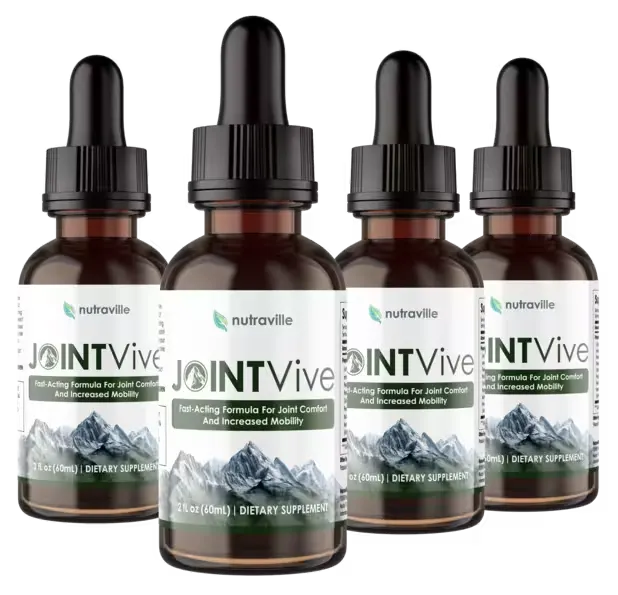
Synergistic Support: How JointVive Complements Your Diet
While a nutrient-dense, anti-inflammatory diet is the foundation for joint health, sometimes dietary changes alone may not be enough to provide comprehensive relief, or to fill specific nutritional gaps. This is where a high-quality, natural supplement like JointVive can offer synergistic support, working alongside your dietary efforts to further reduce inflammation and protect your joints.
JointVive is formulated with a blend of natural ingredients specifically chosen for their scientifically-backed anti-inflammatory, antioxidant, and joint-supportive properties. These ingredients can help to directly target the mechanisms of inflammation, support cartilage integrity, and alleviate discomfort, providing an extra layer of defense for your joints.

Moringa Oleifera
Role: Often called the "miracle tree," Moringa is rich in antioxidants, vitamins, and minerals. It possesses powerful anti-inflammatory compounds that can help reduce joint swelling and pain by inhibiting inflammatory enzymes and cytokines.
500-1000 mg daily
Pine Bark Extract (Pycnogenol)
Role: A potent source of proanthocyanidins, pine bark extract is a powerful antioxidant and anti-inflammatory agent. It can help protect joint cartilage from degradation, improve circulation, and reduce pain and stiffness associated with osteoarthritis.
50-150 mg daily
Tamarind Seed Extract
Role: Traditionally used for its medicinal properties, tamarind seed extract contains polysaccharides and other compounds that have demonstrated significant anti-inflammatory and chondroprotective (cartilage-protecting) effects, making it beneficial for joint health.
250-500 mg daily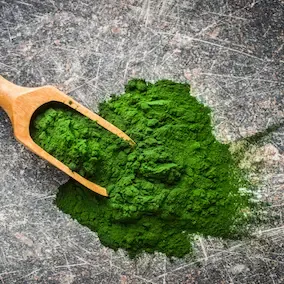
Chlorella
Role: This nutrient-dense green algae is packed with vitamins, minerals, and antioxidants. It supports detoxification and has immune-modulating properties that can help reduce systemic inflammation, indirectly benefiting joint health and reducing oxidative stress.
1000-3000 mg daily
Ginkgo Biloba
Role: Primarily known for its cognitive benefits, Ginkgo Biloba also contains powerful antioxidants (flavonoids and terpenoids) that can reduce oxidative stress and improve blood flow, supporting nutrient delivery to joint tissues and helping to reduce inflammation.
120-240 mg dailyBy providing these concentrated, bioavailable nutrients, JointVive aims to amplify the benefits of your anti-inflammatory diet, offering targeted support for pain relief, improved flexibility, and long-term joint protection. It's a natural option for those seeking comprehensive joint care.

Ready to Experience Life with Less Joint Pain?
Don't let joint stiffness and discomfort dictate your life any longer. JointVive offers a natural, powerful solution to support your joint health, reduce inflammation, and help you regain your mobility and freedom.
- ✓ Supports Healthy Joint Function
- ✓ Reduces Inflammation & Discomfort
- ✓ Promotes Cartilage Health
- ✓ All-Natural & Scientifically Formulated
- ✓ Made in the USA, GMP Certified




What Our Customers Are Saying
"JointVive has been a game-changer! My knees used to ache constantly, making daily walks a chore. After a few weeks, I noticed a significant reduction in pain and stiffness. I can finally enjoy my morning jogs again."
"I was skeptical at first, but JointVive truly works. My hands and wrists felt so much better, less swollen and more flexible. It's made a huge difference in my ability to garden and do handicrafts. Highly recommend!"
"As an active senior, I need my joints to keep up. JointVive gives me that extra support. I feel more agile, and the nagging aches after a long day are practically gone. It's now a staple in my daily routine."
Frequently Asked Questions
What is the best diet for reducing joint inflammation?
+The best diet for reducing joint inflammation is typically a whole-food, plant-forward eating pattern rich in fruits, vegetables, whole grains, lean proteins, and healthy fats. This includes diets like the Mediterranean diet, which emphasizes omega-3 fatty acids, antioxidants, and fiber, while limiting processed foods, refined sugars, and excessive red meat.
How quickly can diet changes impact arthritis symptoms?
+The speed at which diet changes impact arthritis symptoms can vary greatly among individuals. Some people may notice subtle improvements in energy levels or pain within a few weeks, while for others, it might take several months to experience significant relief. Consistency is key, and combining dietary changes with other lifestyle modifications like exercise and proper supplementation often yields the best results.
Are there any foods I should strictly avoid with osteoarthritis?
+While 'strictly avoid' might be strong for everyone, it's generally recommended to significantly limit or avoid foods known to promote inflammation. These include highly processed foods, sugary drinks and snacks, refined carbohydrates (white bread, pasta), excessive red and processed meats, and trans fats found in many fried and fast foods. Some individuals may also find certain nightshade vegetables or dairy products exacerbate their symptoms, though this is highly individual.
Can supplements like JointVive enhance the effects of an anti-inflammatory diet?
+Yes, a high-quality supplement like JointVive can often complement and enhance the effects of an anti-inflammatory diet. While food provides a broad spectrum of nutrients, supplements can offer concentrated doses of specific ingredients known for their joint-supporting and anti-inflammatory properties, such as powerful antioxidants or traditional herbal extracts. They can help fill nutritional gaps and provide targeted support for cartilage health and reduced inflammation.
Is weight loss important for managing joint inflammation?
+Absolutely. Maintaining a healthy weight is critically important for managing joint inflammation, especially in weight-bearing joints like the knees and hips. Excess body weight places additional stress on these joints, accelerating cartilage wear and increasing inflammation. Even a modest weight loss can significantly reduce joint pain and improve mobility, making it a cornerstone of osteoarthritis management.
How does gut health relate to joint inflammation?
+Emerging research strongly suggests a significant link between gut health and systemic inflammation, including joint inflammation. An imbalance in gut bacteria (dysbiosis) or increased gut permeability (leaky gut) can lead to inflammatory compounds entering the bloodstream, triggering or exacerbating immune responses that affect the joints. A diet rich in fiber and probiotics helps foster a healthy gut microbiome, which can, in turn, help regulate inflammatory pathways throughout the body.
Related Articles