Are You Confusing Rheumatoid Arthritis with Osteoarthritis?
Joint pain is a pervasive issue affecting millions worldwide, significantly impacting quality of life. While often grouped under the umbrella term "arthritis," not all joint pain is created equal. Two of the most common forms, Rheumatoid Arthritis (RA) and Osteoarthritis (OA), share some overlapping symptoms but originate from vastly different mechanisms and require distinct approaches to diagnosis and treatment.
Misunderstanding the specific type of arthritis you or a loved one might be experiencing can lead to ineffective management and prolonged discomfort. That's why understanding the distinct characteristics of each condition is the first step towards effective management and improved quality of life. This article aims to demystify these two prevalent conditions, highlighting their key differences to empower you with knowledge.
Understanding Arthritis: A Broad Overview
Before diving into the specifics of RA and OA, it's helpful to grasp the broader concept of arthritis. Arthritis refers to inflammation of one or more joints, causing pain and stiffness that can worsen with age. There are over 100 different types of arthritis, each with its own cause, symptoms, and treatment protocols.
While the term "arthritis" literally means "joint inflammation," the underlying mechanisms can vary dramatically. Some forms are caused by infection, others by metabolic issues, and a significant number are either degenerative (like OA) or autoimmune (like RA). The common thread is the impact on joint function and the resulting discomfort, which ranges from mild aches to debilitating pain that severely limits mobility. Recognizing the specific type of arthritis is critical because treatments that work for one type may be ineffective or even harmful for another. This distinction is particularly vital when comparing Rheumatoid Arthritis and Osteoarthritis, as they represent two fundamentally different disease processes affecting the joints.
What is Osteoarthritis (OA)? The "Wear and Tear" Arthritis
Osteoarthritis, often referred to as "wear and tear" arthritis, is the most common form of arthritis, affecting millions of people worldwide. It's a degenerative joint disease that primarily affects the cartilage, the slippery tissue that covers the ends of bones in a joint. Cartilage allows bones to glide smoothly over each other. In OA, this protective cartilage gradually deteriorates.
As the cartilage wears away, the bones begin to rub directly against each other, leading to pain, swelling, and reduced range of motion. This friction can also cause the formation of bone spurs (osteophytes) around the joint. OA typically develops slowly over many years, often becoming noticeable in middle age or later. It's not considered a systemic disease, meaning it primarily affects the joints themselves rather than the entire body.
The primary causes of OA include aging, which naturally thins cartilage; joint injury, such as from sports or accidents; obesity, which places increased stress on weight-bearing joints like the knees and hips; and genetics, as some people have an inherited predisposition. Repetitive stress on particular joints from certain occupations or activities can also accelerate cartilage breakdown. The pain associated with OA often worsens with activity and improves with rest, and stiffness is usually more pronounced after periods of inactivity, such as first thing in the morning, but typically resolves within 30 minutes.
What is Rheumatoid Arthritis (RA)? The Autoimmune Challenge
In stark contrast to OA, Rheumatoid Arthritis (RA) is a chronic inflammatory disorder that can affect more than just your joints. It is an autoimmune disease, meaning your body's immune system mistakenly attacks its own tissues.
In RA, the immune system targets the synovium, the lining of the membranes that surround your joints. This attack causes inflammation, which thickens the synovium, eventually leading to the destruction of cartilage and bone within the joint. Over time, RA can cause joint deformity and disability. Unlike OA, RA is a systemic disease, meaning it can affect other organs and systems in the body, including the skin, eyes, lungs, heart, and blood vessels.
The exact cause of RA is unknown, but it's believed to involve a combination of genetic predisposition and environmental factors, such as smoking or certain infections, that trigger the autoimmune response. Symptoms of RA often include joint pain, swelling, stiffness, and fatigue. The stiffness is typically worse in the mornings or after long periods of inactivity and can last for several hours. RA usually affects multiple joints in a symmetrical pattern, meaning if a joint on one side of your body is affected, the same joint on the other side is also likely to be affected. The onset can be sudden, sometimes within weeks or months, and it can occur at any age, though it most commonly begins between the ages of 30 and 60.
💡 Key Takeaway
Osteoarthritis is a degenerative condition from "wear and tear" affecting cartilage, typically localized and asymmetrical. Rheumatoid Arthritis is an autoimmune disease causing systemic inflammation, attacking joint lining, and usually affecting joints symmetrically.
Key Differences: RA vs. OA at a Glance
While both conditions manifest as joint pain and stiffness, their fundamental nature, progression, and specific symptoms are quite distinct. Understanding these differences is crucial for accurate diagnosis and effective management.
Cause and Mechanism
OA: Primarily a mechanical issue, resulting from the breakdown of cartilage due to age, injury, or overuse. It's a degenerative process where the joint components literally wear out over time.
RA: An autoimmune disorder where the body's immune system mistakenly attacks the synovium, the lining of the joint capsule. This leads to inflammation and ultimately joint damage.
Symptom Onset and Pattern
OA: Symptoms typically develop slowly over years, often affecting joints asymmetrically (e.g., one knee but not the other). Pain often worsens with activity and improves with rest.
RA: Symptoms can appear more rapidly, over weeks or months. It characteristically affects joints symmetrically (e.g., both hands, both wrists) and often includes systemic symptoms like fatigue and malaise.
Affected Joints
OA: Most commonly affects weight-bearing joints (knees, hips, spine) and joints that experience repetitive stress (fingers, thumbs, big toe). It rarely affects the wrists, elbows, or shoulders first.
RA: Frequently affects smaller joints first, particularly in the hands (knuckles, middle joints of fingers) and feet. Wrists, elbows, shoulders, and knees can also be affected symmetrically.
Morning Stiffness
OA: Morning stiffness is common but usually lasts for a shorter duration, typically less than 30 minutes, and improves with movement.
RA: Morning stiffness is a hallmark symptom and can last for several hours (often more than 45 minutes to an hour), sometimes throughout the day, and is often accompanied by significant fatigue.
Inflammation and Systemic Effects
OA: While inflammation can occur in OA, it's typically localized to the affected joint and not a primary driver of the disease. OA is not systemic.
RA: Characterized by chronic systemic inflammation, which can lead to fatigue, fever, weight loss, and affect other organs such as the heart, lungs, eyes, and blood vessels. Blood tests will show elevated inflammatory markers.
Age of Onset
OA: Typically develops in older adults, usually after age 50, though it can occur earlier due to injury or genetics.
RA: Can begin at any age, including childhood (juvenile idiopathic arthritis), but most commonly starts between ages 30 and 60.

Diagnosis: Distinguishing Between RA and OA
Accurate diagnosis is paramount for effective treatment. Doctors use a combination of physical examination, patient history, imaging, and laboratory tests to differentiate between RA and OA.
For Osteoarthritis, diagnosis typically involves a thorough physical exam to assess joint tenderness, swelling, range of motion, and crepitus (a grinding sensation). X-rays are the primary imaging tool, revealing cartilage loss (narrowing of the joint space), bone spurs, and changes in bone density. There are no specific blood tests for OA, though blood tests may be done to rule out other conditions. The patient's history, including activity levels, injuries, and the pattern of pain, is also crucial.
Diagnosing Rheumatoid Arthritis is more complex due to its systemic nature. A physical exam will look for swollen, tender, and warm joints, often in a symmetrical pattern. Blood tests are vital for RA diagnosis, including:
- Rheumatoid Factor (RF): An antibody found in the blood of many people with RA.
- Anti-cyclic citrullinated peptide (anti-CCP) antibodies: Often present in early RA and can predict future severity.
- Erythrocyte Sedimentation Rate (ESR) and C-reactive protein (CRP): These are inflammatory markers that indicate the presence of inflammation in the body, typically elevated in active RA.
Management Strategies for Joint Pain and Inflammation
While the specific treatments for RA and OA differ significantly due to their distinct pathologies, many general strategies for pain management, inflammation reduction, and joint support overlap. A holistic approach often yields the best results.
Medications
For OA: Over-the-counter pain relievers (acetaminophen, NSAIDs), topical creams, corticosteroid injections, and hyaluronic acid injections. Stronger prescription pain relievers may be used for severe pain.
For RA: Disease-modifying antirheumatic drugs (DMARDs) like methotrexate, biologics (TNF inhibitors, JAK inhibitors), corticosteroids, and NSAIDs. These medications aim to suppress the immune system and slow disease progression.
Physical and Occupational Therapy
Both RA and OA benefit immensely from therapy. Physical therapy helps improve strength, flexibility, and range of motion. Occupational therapy teaches strategies to perform daily tasks with less pain and protect joints.
Lifestyle Modifications
Maintaining a healthy weight reduces stress on joints, particularly for OA. A balanced, anti-inflammatory diet (rich in fruits, vegetables, lean proteins, healthy fats) can help manage inflammation for both conditions. Regular, low-impact exercise (swimming, cycling, walking) strengthens muscles around joints and improves flexibility. Quitting smoking is crucial, especially for RA, as it can worsen the disease.
Surgical Options
When conservative treatments fail, surgery may be considered. For OA, this might include arthroscopy, osteotomy, or joint replacement (e.g., knee or hip replacement). For RA, surgery can correct deformities, reduce pain, and improve function, sometimes involving joint fusion or replacement.
The Role of Natural Supplements in Joint Health
Beyond conventional medical treatments, many individuals seek complementary and alternative therapies, including natural supplements, to support joint health and manage symptoms. While supplements are not a cure, certain ingredients have shown promise in reducing inflammation, protecting cartilage, and alleviating pain, particularly for conditions like osteoarthritis and general joint discomfort.
Ingredients like glucosamine and chondroitin have been popular for their potential role in cartilage repair and maintenance, often used by those with OA. Other natural compounds, such as turmeric (curcumin), ginger, and boswellia, are well-regarded for their potent anti-inflammatory properties, which can be beneficial for managing joint pain from various causes, including the inflammatory aspects of OA. Omega-3 fatty acids, found in fish oil, also contribute to reducing systemic inflammation.
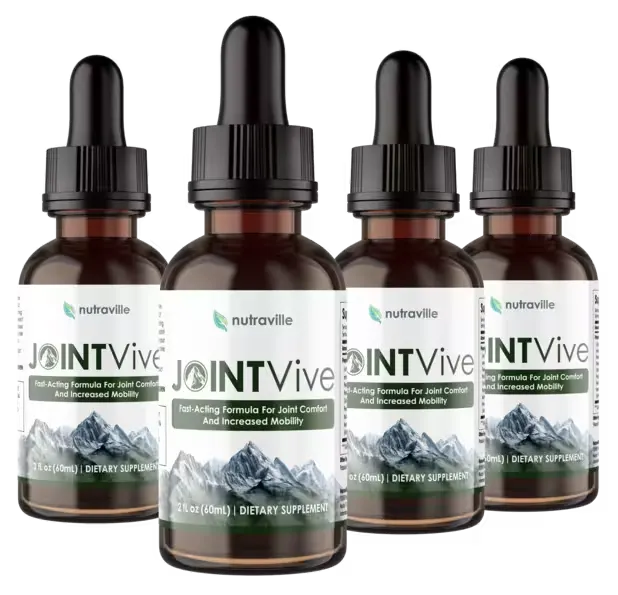
When considering natural solutions, it's vital to choose high-quality, well-researched supplements. Products like JointVive incorporate a blend of scientifically-backed botanical extracts and nutrients designed to promote joint comfort, flexibility, and overall health. These types of supplements can be a valuable addition to a comprehensive joint care regimen, working synergistically with lifestyle changes and other treatments. For a deeper dive into effective natural remedies, you can explore joint health remedies that work.
JointVive: A Natural Approach to Joint Comfort
JointVive is a natural supplement formulated to support overall joint health, reduce discomfort, and enhance mobility. It combines a blend of potent botanical extracts and nutrients, each selected for its scientifically-backed benefits in combating inflammation, supporting cartilage, and promoting joint lubrication. While not a treatment for specific diseases like RA, it offers comprehensive support for daily joint wellness.

Bacopa Monnieri
Role: Known for its adaptogenic properties, Bacopa helps reduce oxidative stress and inflammation, which can contribute to joint discomfort. It also supports cognitive function, indirectly aiding in pain perception.
Typical dosage: 300-450mg extract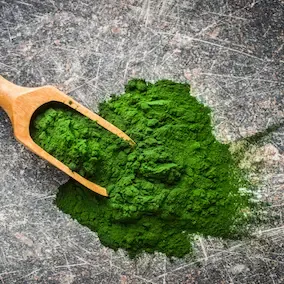
Chlorella
Role: A nutrient-dense superfood, Chlorella is rich in antioxidants and anti-inflammatory compounds. It supports detoxification and may help modulate the immune system, contributing to a healthier inflammatory response.
Typical dosage: 1-5g daily
Ginkgo Biloba
Role: Famous for improving circulation, Ginkgo Biloba can enhance blood flow to joints, delivering essential nutrients and removing waste products. Its antioxidant properties also help protect joint tissues from damage.
Typical dosage: 120-240mg extract
Lion's Mane Mushroom
Role: An emerging adaptogen, Lion's Mane is studied for its neuroprotective and anti-inflammatory effects. It may help reduce systemic inflammation and support overall cellular health, benefiting joint tissues.
Typical dosage: 500-3000mg powder
Moringa Oleifera
Role: Often called the "miracle tree," Moringa is packed with vitamins, minerals, and powerful anti-inflammatory compounds. It helps combat oxidative stress and can contribute to reducing joint pain and swelling.
Typical dosage: 1-6g powder
Pine Bark Extract
Role: A potent antioxidant, Pine Bark Extract (like Pycnogenol) helps protect joint tissues from free radical damage and reduces inflammatory responses, contributing to improved joint function and comfort.
Typical dosage: 50-150mg extract
Spirulina
Role: Another superfood algae, Spirulina is rich in proteins, vitamins, and minerals. It exhibits strong antioxidant and anti-inflammatory properties, supporting immune health and helping to alleviate joint discomfort.
Typical dosage: 1-8g daily
Tamarind Seed Extract
Role: Traditionally used for its medicinal properties, Tamarind Seed Extract has been studied for its ability to support joint health by reducing cartilage degradation and modulating inflammatory pathways, promoting flexibility.
Typical dosage: 250-500mg extractWhen considering a supplement like JointVive, it's always wise to discuss it with your healthcare provider, especially if you have a diagnosed condition like RA or OA or are taking other medications. While JointVive offers a comprehensive blend of natural ingredients for joint support, it is important to understand that it is a dietary supplement and not a pharmaceutical drug. For those curious about how JointVive compares to other popular joint health ingredients, you might find our article on JointVive vs. Glucosamine helpful.

Experience the Difference with JointVive
Don't let joint discomfort dictate your life. JointVive is meticulously crafted to offer comprehensive support for your joints, promoting flexibility, reducing inflammation, and enhancing overall mobility. It's time to reclaim your active lifestyle with a natural solution.
- ✓ Supports Healthy Cartilage
- ✓ Reduces Joint Inflammation & Pain
- ✓ Enhances Flexibility & Mobility
- ✓ All-Natural, Non-GMO Ingredients
- ✓ Made in an FDA-Registered, GMP-Certified Facility




What Our Customers Are Saying
"I've struggled with knee pain for years, making simple tasks a challenge. JointVive has made a noticeable difference in my mobility and comfort. I can finally enjoy my walks again!"
"My hands used to ache constantly, especially in the mornings. After a few weeks of JointVive, the stiffness has significantly reduced. It's truly helped me get back to my hobbies."
"I was skeptical about supplements, but JointVive changed my mind. My hip discomfort is much more manageable, and I feel more energetic. Highly recommend for anyone with joint issues."
Frequently Asked Questions
What are the main differences between Rheumatoid Arthritis (RA) and Osteoarthritis (OA)?
+Rheumatoid Arthritis is an autoimmune disease where the body's immune system attacks its own joint tissues, leading to systemic inflammation and symmetrical joint involvement. Osteoarthritis, on the other hand, is a degenerative condition caused by the wear and tear of cartilage over time, typically affecting specific joints and often asymmetrical.
Can both RA and OA affect the same joints?
+While both conditions can affect many joints, they tend to target different ones, and their patterns differ. RA commonly affects smaller joints symmetrically (hands, wrists, feet) and can spread to larger joints. OA often affects weight-bearing joints (knees, hips, spine) and joints that experience repetitive stress, typically in an asymmetrical pattern.
Are there specific tests to diagnose RA versus OA?
+Yes, diagnosis involves different approaches. RA is diagnosed using blood tests to check for inflammatory markers (like CRP, ESR) and specific antibodies (rheumatoid factor, anti-CCP), along with X-rays or MRI to assess joint damage. OA diagnosis primarily relies on imaging (X-rays) to show cartilage loss and bone spurs, combined with a physical examination and symptom review, as there are no specific blood tests for OA.
Can lifestyle changes help manage both Rheumatoid Arthritis and Osteoarthritis?
+Absolutely. Lifestyle modifications are crucial for managing both conditions. Regular, low-impact exercise, maintaining a healthy weight, a balanced anti-inflammatory diet, and avoiding smoking can significantly reduce symptoms, improve joint function, and slow disease progression for both RA and OA. Stress management is also vital, especially for RA.
Is JointVive suitable for both Rheumatoid Arthritis and Osteoarthritis?
+JointVive is formulated with natural ingredients known for their anti-inflammatory and joint-supportive properties. While it is designed to support overall joint health, reduce inflammation, and promote comfort, it is generally positioned as a supportive supplement for common joint discomfort and the degenerative aspects of conditions like Osteoarthritis. For Rheumatoid Arthritis, an autoimmune condition, JointVive can be part of a broader wellness strategy, but it's essential to consult with your doctor to ensure it complements your prescribed RA treatment plan.
How long does it take to see benefits from natural joint supplements like JointVive?
+The time it takes to experience benefits from natural joint supplements like JointVive can vary greatly among individuals. Factors such as the severity of your condition, your overall health, and consistency of use play a role. Many users report feeling noticeable improvements within 4-8 weeks, but for optimal results, consistent use over several months is often recommended. Remember, supplements work best as part of a holistic approach to joint health.
Related Articles