Are you ready to reclaim your joint comfort and mobility after 50?
The journey through life brings wisdom, experience, and sometimes, a few aches and pains. For many, reaching the age of 50 marks a pivotal moment where joint health becomes a more pressing concern. The stiffness, the creaks, the occasional sharp pain – these can all signal the onset of age-related joint issues, most notably osteoarthritis.
But what if you could proactively support your joints, reducing the risk of debilitating arthritis and maintaining an active, vibrant lifestyle? This comprehensive guide will explore the science behind aging joints, offer actionable strategies for prevention, and introduce solutions that can help you achieve lasting joint comfort and mobility.
Understanding Your Joints: The Foundation of Movement
Before we delve into prevention, it's crucial to understand how our joints work and what makes them susceptible to wear and tear over time.
Our bodies are equipped with hundreds of joints, complex structures designed to allow movement and provide flexibility. Each joint, particularly the synovial joints like those in your knees, hips, and shoulders, is a marvel of biological engineering. At the ends of your bones, you'll find a smooth, slippery tissue called articular cartilage. This cartilage acts as a shock absorber and reduces friction, allowing bones to glide effortlessly against each other. Surrounding the joint is a capsule filled with synovial fluid, which further lubricates the joint and provides nutrients to the cartilage.
As we age, several factors begin to impact this delicate balance. The production of collagen and other essential components of cartilage naturally slows down. The cartilage can become thinner, less elastic, and more prone to damage. Additionally, the synovial fluid may decrease in volume and quality, leading to less lubrication and increased friction. This degenerative process is a key contributor to conditions like osteoarthritis, where the protective cartilage gradually breaks down, leading to bone-on-bone rubbing, pain, inflammation, and reduced mobility.
Understanding these fundamental changes is the first step towards proactive joint care. It's not just about treating symptoms; it's about supporting the underlying structures that enable us to move freely and without discomfort.
💡 Key Takeaway
Joints rely on healthy cartilage and synovial fluid for smooth movement. With age, these components naturally degrade, increasing the risk of pain and conditions like osteoarthritis. Proactive measures are essential to preserve joint function.
Osteoarthritis: The Silent Threat to Mobility After 50
Osteoarthritis (OA) is the most common form of arthritis, affecting millions of adults worldwide, particularly those over the age of 50. It's often misunderstood as just an "old-age" problem, but it's a progressive disease that can significantly impact quality of life.
OA occurs when the protective cartilage that cushions the ends of your bones wears down over time. This leads to bone-on-bone friction, causing pain, stiffness, swelling, and reduced range of motion. While it can affect any joint, it most commonly impacts the hands, knees, hips, and spine. Unlike other forms of arthritis, such as rheumatoid arthritis, OA is primarily a degenerative condition rather than an autoimmune disease, though inflammation plays a crucial role in its progression.
Symptoms often develop slowly and worsen over time. You might first notice pain during or after movement, stiffness after periods of inactivity (like first thing in the morning), tenderness when you apply light pressure to the joint, loss of flexibility, a grating sensation, or even bone spurs (small lumps of bone) around the joint. These symptoms can make everyday activities challenging, from walking and climbing stairs to simply opening a jar. Early intervention and preventive strategies are key to managing and potentially slowing the progression of this condition.
While there's no cure for osteoarthritis, there are many ways to manage its symptoms and improve joint health. This includes lifestyle modifications, physical therapy, and in some cases, medication or supplements. The goal is to reduce pain, improve function, and prevent further joint damage.
Proactive Strategies: Preventing Arthritis and Preserving Joint Health
Prevention is always better than cure, especially when it comes to joint health. By adopting a holistic approach, you can significantly reduce your risk of developing severe osteoarthritis and maintain comfortable mobility well into your golden years.
1. Maintain a Healthy Weight
Excess body weight puts immense strain on weight-bearing joints like the knees, hips, and spine. Every pound of body weight adds several pounds of pressure to your knees. Losing even a small amount of weight can significantly reduce this stress, slow cartilage degeneration, and alleviate existing joint pain. Focus on a balanced diet and regular exercise to achieve and maintain a healthy BMI.
2. Embrace a Joint-Friendly Diet
Your diet plays a critical role in managing inflammation and providing the building blocks for healthy joints. An anti-inflammatory diet rich in fruits, vegetables, whole grains, lean proteins, and healthy fats (like omega-3s found in fatty fish) can help combat systemic inflammation that contributes to joint damage. Limit processed foods, sugary drinks, and excessive red meat, which can promote inflammation. Consider incorporating foods rich in antioxidants and vitamins C, D, and K, all vital for joint and bone health.
3. Prioritize Regular, Low-Impact Exercise
Movement is medicine for your joints. Regular exercise strengthens the muscles supporting your joints, improving stability and reducing stress. It also helps nourish cartilage by increasing blood flow and stimulating the production of synovial fluid. However, not all exercises are created equal for aging joints. Opt for low-impact activities that minimize stress on your joints, such as swimming, cycling, walking, yoga, and tai chi. Aim for a combination of strength training, flexibility, and aerobic exercises.
4. Protect Your Joints from Injury
Previous joint injuries significantly increase the risk of developing osteoarthritis later in life. Take precautions during sports or physical activities by wearing appropriate protective gear and using proper form. If you experience a joint injury, seek prompt medical attention and follow rehabilitation protocols diligently to ensure proper healing and minimize long-term damage.
5. Stay Hydrated
Water is essential for overall health, including joint health. It helps maintain the volume and consistency of synovial fluid, keeping your cartilage well-lubricated and cushioned. Aim to drink plenty of water throughout the day.
6. Listen to Your Body and Rest
While exercise is important, it's equally crucial to listen to your body. Don't push through sharp pain, and allow adequate time for rest and recovery, especially after strenuous activities. Overuse can exacerbate joint issues. Incorporate practices like stretching, foam rolling, and adequate sleep to support joint recovery.
natural support they deserve?
The Role of Nutritional Support and Supplements
Even with a perfect diet and exercise regimen, our bodies may not always get all the specific nutrients needed to optimally support joint health as we age. This is where targeted nutritional supplements can play a vital role, working in synergy with your lifestyle choices.
Cartilage Support
Certain nutrients act as building blocks for cartilage, helping to maintain its integrity and elasticity. As natural production declines, supplementing these can be crucial for cushioning and smooth joint function.
Inflammation Modulation
Chronic low-grade inflammation is a key driver of joint pain and damage. Natural compounds with anti-inflammatory properties can help calm this response, reducing discomfort and protecting joint tissues.
Pain Relief
Beyond addressing the root cause, some ingredients can directly help alleviate pain and stiffness, improving daily comfort and encouraging greater mobility without relying on harsh pharmaceuticals.
Enhanced Mobility
By supporting cartilage, reducing inflammation, and easing pain, effective joint supplements can collectively lead to improved flexibility, range of motion, and overall ease of movement, helping you stay active.
When choosing a supplement, it's important to look for formulations that offer a comprehensive approach, targeting multiple aspects of joint health rather than just one. Ingredients that support collagen production, reduce oxidative stress, and fight inflammation are particularly beneficial. For example, some people find relief from collagen supplements for joint pain and cartilage support, while others look for specific herbal extracts.
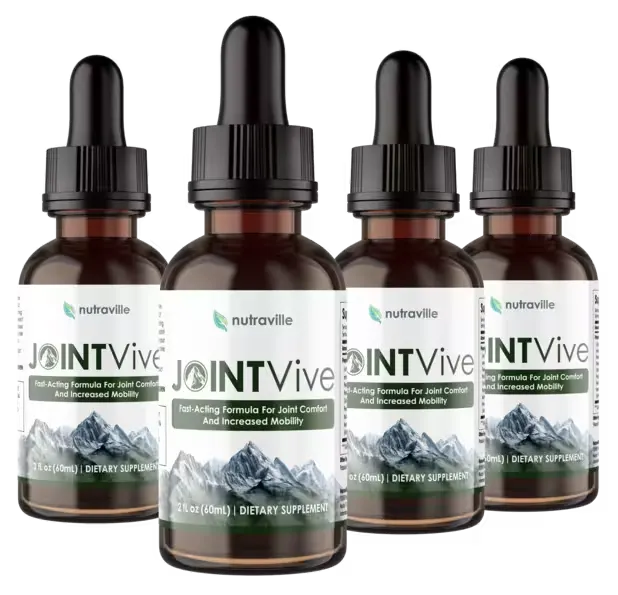
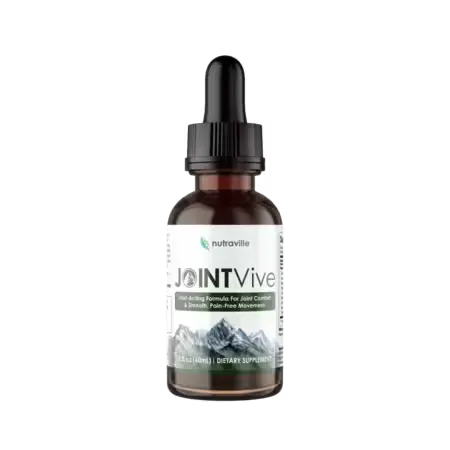
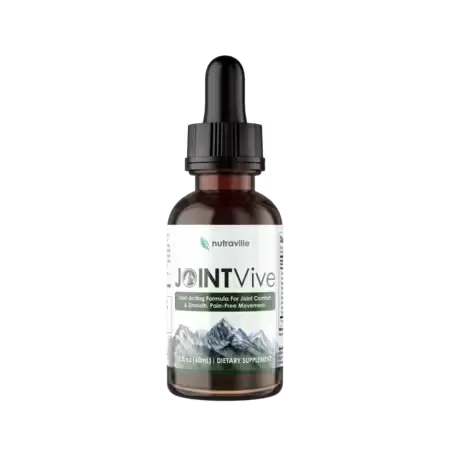
This is where JointVive comes into the picture. It's designed to provide a broad spectrum of ingredients that work together to address the various challenges faced by aging joints, offering a natural path to greater comfort and flexibility.
Introducing JointVive: Your Natural Partner for Joint Health
JointVive is a cutting-edge natural supplement meticulously formulated to support joint health, reduce inflammation, and alleviate pain, especially for individuals over 50. It brings together 28 powerful ingredients, each selected for its scientifically-backed role in promoting optimal joint function.
Our unique blend is designed to work synergistically, offering a comprehensive solution that goes beyond temporary relief. JointVive aims to nourish your cartilage, lubricate your joints, and combat the underlying inflammatory processes that contribute to arthritis, helping you rediscover the joy of pain-free movement.
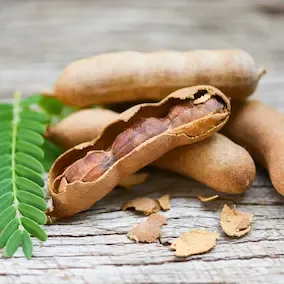
Tamarind
Role: Supports cartilage health and flexibility, known for its ability to enhance hyaluronic acid production.
50-100mg
Moringa
Role: A powerful antioxidant and anti-inflammatory, helps reduce joint swelling and discomfort.
500-1000mg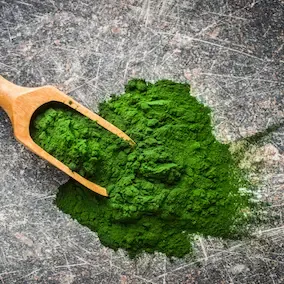
Chlorella
Role: Rich in nutrients, supports tissue repair and detoxification, which can aid joint recovery.
200-500mg
Spirulina
Role: Offers anti-inflammatory and antioxidant benefits, contributing to overall joint protection.
200-500mg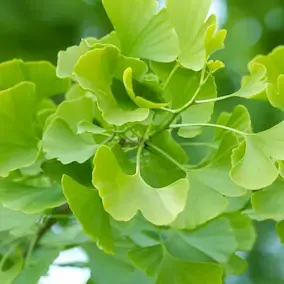
Ginkgo Biloba
Role: Improves blood circulation, delivering vital nutrients to joint tissues for repair and health.
60-120mg
Bacopa Monnieri
Role: Known for its adaptogenic properties, helps manage stress and reduce inflammation indirectly impacting joint comfort.
150-300mg
Lion's Mane
Role: Supports nerve health and has anti-inflammatory properties, beneficial for overall well-being and pain management.
500-1000mg
Pine Bark Extract
Role: A potent antioxidant, helps reduce oxidative stress and inflammation in joints.
50-100mgBeyond these powerful ingredients, JointVive also contains a proprietary blend of other natural compounds, including Glucosamine Sulfate, Chondroitin Sulfate, MSM, Turmeric, Ginger, Boswellia Serrata, Hyaluronic Acid, and more. This comprehensive approach ensures that your joints receive multi-faceted support, addressing various aspects of joint degeneration and inflammation. For a deeper dive into how JointVive compares to other supplements, you might find our article on JointVive vs. Glucosamine Supplement informative.
Experience the JointVive Difference: Reclaim Your Active Life
Don't let joint pain and stiffness dictate your life. JointVive offers a natural, comprehensive solution to support your joints, reduce inflammation, and enhance your mobility. Imagine waking up with less stiffness, enjoying your favorite activities with greater ease, and embracing a more active, fulfilling lifestyle.
- ✓ Supports Healthy Cartilage & Joint Structure
- ✓ Reduces Inflammation & Soothes Joint Pain
- ✓ Enhances Flexibility & Range of Motion
- ✓ Made with 28 Potent, All-Natural Ingredients
- ✓ Backed by a 60-Day 100% Money-Back Guarantee




What Our Customers Are Saying
"I'm 62 and my knees were constantly aching. After just a month of JointVive, the difference is incredible. I can walk my dog without wincing, and even started gardening again. It's truly given me back my active life!"
"My doctor told me my shoulder pain was just 'age-related arthritis.' I decided to try JointVive, and I'm so glad I did. The stiffness in the mornings has almost vanished, and I can lift my grandkids without that sharp twinge. Highly recommend!"
"I've tried numerous joint supplements over the years, but JointVive is the first one where I actually feel a sustained improvement. My hands are less swollen, and I can type and knit without constant discomfort. This product is a game-changer!"
Frequently Asked Questions
What are the primary causes of joint pain and arthritis as we age?
+As we age, the protective cartilage in our joints naturally wears down, a process known as osteoarthritis. Factors like genetics, previous injuries, obesity, and repetitive stress can accelerate this degeneration. Chronic inflammation also plays a significant role, contributing to pain and stiffness. Lifestyle choices, including diet and exercise, can either mitigate or worsen these age-related changes.
Can diet and exercise truly make a difference in preventing arthritis after 50?
+Absolutely. Diet and exercise are foundational pillars of joint health. An anti-inflammatory diet rich in omega-3s, antioxidants, and lean protein can reduce systemic inflammation. Low-impact exercises like swimming, cycling, and walking strengthen muscles around joints, improving stability and flexibility without excessive stress. Regular physical activity also helps maintain a healthy weight, significantly reducing load on weight-bearing joints.
What role do natural supplements play in supporting joint health?
+Natural supplements can complement a healthy lifestyle by providing targeted nutrients that support cartilage, reduce inflammation, and alleviate pain. Ingredients like turmeric, ginger, collagen, and specific plant extracts are known for their anti-inflammatory and cartilage-protective properties. They can help replenish vital components, reduce discomfort, and improve overall joint function, especially when combined with diet and exercise.
How is JointVive different from other joint health supplements?
+JointVive stands out due to its unique blend of 28 potent, scientifically-backed natural ingredients, specifically chosen for their synergistic effects on joint health and inflammation. Unlike many supplements that focus on just one or two components, JointVive offers a comprehensive approach, addressing multiple pathways related to cartilage protection, pain relief, and inflammatory response. It's formulated for maximum absorption and efficacy, manufactured in a GMP-certified facility.
Is JointVive safe for long-term use, especially for individuals over 50?
+Yes, JointVive is formulated with natural ingredients that are generally recognized as safe for long-term use. All ingredients are carefully selected and tested for purity and potency. However, as with any supplement, it's always recommended to consult with your physician, especially if you have existing medical conditions or are taking other medications. JointVive is designed to be a safe, daily addition to your joint health regimen.
What results can I realistically expect from taking JointVive?
+While individual results can vary, many users report noticeable improvements in joint comfort, flexibility, and mobility within a few weeks of consistent use. Over time, JointVive aims to support cartilage regeneration, reduce chronic inflammation, and enhance overall joint function, leading to a significant reduction in stiffness and pain. For best results, it should be combined with a healthy diet and regular, appropriate exercise.
Related Articles