Are you struggling with persistent joint pain, stiffness, or the challenges of osteoarthritis?
Living with joint pain can feel like a constant battle, limiting your movement, impacting your daily activities, and diminishing your overall quality of life. Whether it’s the persistent ache of osteoarthritis or the stiffness from inflammation, finding effective strategies for relief is paramount.
Many believe that exercise will worsen joint pain, but the opposite is often true. Engaging in low-impact exercises can significantly reduce discomfort, improve mobility, and strengthen the muscles supporting your joints, offering a pathway to a more active and pain-free existence.
Understanding Joint Pain and the Role of Movement
Joint pain, particularly from conditions like osteoarthritis and chronic inflammation, affects millions globally. It's often characterized by stiffness, swelling, and a reduced range of motion, making even simple tasks challenging. While rest might seem like the intuitive solution, prolonged inactivity can actually exacerbate symptoms, leading to muscle weakness and further joint degeneration.
Osteoarthritis (OA) is the most common form of arthritis, affecting the cartilage that cushions the ends of bones. Over time, this cartilage wears away, leading to bone-on-bone friction, pain, and inflammation. Joint inflammation, on the other hand, can be a symptom of various conditions, including rheumatoid arthritis or injury, and manifests as swelling, redness, and warmth around the joint.
The key to managing these conditions lies in finding a balance between protecting the joints and keeping them active. This is where low-impact exercises become invaluable. Unlike high-impact activities that involve jarring movements, low-impact exercises minimize stress on the joints while still providing significant physical benefits. They help to strengthen the muscles surrounding the joints, improve flexibility, and enhance circulation, which can aid in nutrient delivery and waste removal from joint tissues. Furthermore, movement encourages the production of synovial fluid, the natural lubricant within your joints, helping to reduce friction and stiffness.
Regular, gentle movement can also contribute to weight management, which is crucial for joint health. Excess body weight places additional stress on weight-bearing joints like the knees and hips, accelerating cartilage breakdown. By incorporating low-impact exercises into your routine, you can effectively manage your weight and alleviate some of this burden, leading to a noticeable reduction in pain and improved mobility.
💡 Key Takeaway
Low-impact exercises are crucial for managing joint pain and osteoarthritis. They strengthen supporting muscles, improve joint lubrication, reduce inflammation, and aid in weight management, all without putting excessive stress on vulnerable joints. Inactivity can worsen symptoms, making gentle movement a vital part of any joint health strategy.
The Many Benefits of Low-Impact Exercise for Joint Health
Choosing the right type of exercise is paramount when dealing with joint pain. Low-impact activities offer a multitude of benefits that directly address the challenges of osteoarthritis and inflammation, without the risk of further injury.
Reduces Joint Stress
Unlike high-impact activities that involve jumping or running, low-impact exercises minimize the force transmitted through your joints. This reduces the wear and tear on cartilage, preventing exacerbation of existing pain and slowing the progression of conditions like osteoarthritis.
Strengthens Supporting Muscles
Strong muscles around your joints act as natural shock absorbers and provide stability. Low-impact exercises, when performed consistently, build strength in these crucial muscle groups, offering better support and protection for your knees, hips, and spine.
Improves Flexibility and Range of Motion
Gentle movement helps maintain and improve the flexibility of ligaments and tendons around the joints. This increased range of motion can reduce stiffness, making daily activities easier and more comfortable, and preventing joints from "freezing up."
Enhances Joint Lubrication
Movement stimulates the production and circulation of synovial fluid within your joints. This fluid acts as a natural lubricant, reducing friction between bones and providing essential nutrients to cartilage, which lacks its own blood supply.
Aids in Weight Management
Maintaining a healthy weight is vital for joint health, as excess pounds put significant stress on weight-bearing joints. Low-impact exercises burn calories and help in weight loss or maintenance, thereby reducing the load on your joints and alleviating pain.
Boosts Mood and Reduces Pain Perception
Exercise releases endorphins, natural pain relievers and mood elevators. Regular physical activity can help manage chronic pain by improving your pain threshold and reducing symptoms of depression and anxiety often associated with long-term joint conditions.

Swimming: The Ultimate Joint-Friendly Workout
When it comes to low-impact exercises for joint pain relief, swimming consistently ranks as one of the best options. The buoyancy of water dramatically reduces the impact on your joints, allowing you to move freely and strengthen your body without the strain of gravity.
The unique properties of water make it an ideal environment for exercise, especially for those with osteoarthritis or chronic joint inflammation. The hydrostatic pressure of water also aids in circulation and can help reduce swelling in the joints. Furthermore, the resistance offered by water helps build muscle strength and endurance without the need for heavy weights, providing a full-body workout that supports joint stability.
Benefits of Swimming for Joint Health:
- Reduced Impact: Water supports up to 90% of your body weight, drastically minimizing stress on knees, hips, and spine.
- Full-Body Workout: Engages multiple muscle groups simultaneously, improving overall strength and cardiovascular health.
- Increased Flexibility: The fluid movements in water gently stretch muscles and ligaments, enhancing range of motion.
- Pain Relief: The warmth of heated pools can soothe sore joints, and the exercise itself releases endorphins.
- Improved Balance and Coordination: Water resistance helps develop core strength and stability.
Getting Started with Swimming:
If you're new to swimming or haven't been active in a while, start slowly. Begin with short sessions (15-20 minutes) a few times a week and gradually increase duration and intensity. Consider starting with water walking or aqua aerobics if full swimming strokes are too challenging initially. Many community centers and gyms offer heated pools and specific arthritis-friendly water classes.
Focus on proper technique to maximize benefits and prevent strain. If possible, consult a swimming instructor who can guide you on strokes that are gentle on your specific joints. For instance, the crawl stroke and backstroke are generally considered more joint-friendly than the breaststroke, which can put more stress on the knees and hips for some individuals.
Yoga: Flexibility, Strength, and Mind-Body Connection for Joints
Yoga, an ancient practice combining physical postures, breathing techniques, and meditation, offers a holistic approach to managing joint pain. It focuses on improving flexibility, building core strength, and fostering a deep mind-body connection, all of which are incredibly beneficial for individuals with osteoarthritis and joint inflammation.
Unlike some forms of exercise, yoga emphasizes mindful movement and listening to your body. This allows practitioners to modify poses, use props, and avoid positions that cause pain, making it highly adaptable for people with varying degrees of joint discomfort. Regular yoga practice can lead to a significant reduction in stiffness, improved balance, and enhanced mental well-being, which is crucial for coping with chronic pain.
Benefits of Yoga for Joint Health:
- Enhanced Flexibility: Gentle stretching in yoga lengthens muscles and increases the range of motion in joints.
- Increased Strength: Holding yoga poses builds isometric strength in muscles surrounding the joints, providing better support.
- Improved Balance: Many poses challenge balance, which can reduce the risk of falls, a common concern for those with joint issues.
- Reduced Stress and Pain Perception: The meditative aspect of yoga and focused breathing can lower stress hormones and change how the brain perceives pain.
- Better Posture: Strengthening core muscles and improving body awareness can correct postural imbalances that contribute to joint strain.
Types of Yoga and Modifications for Joint Pain:
Not all yoga styles are equally suitable for individuals with joint pain. It's best to start with gentle forms and always communicate your condition to your instructor. Here are some recommended styles:
Hatha Yoga
A slower-paced style focusing on basic poses and holding them for several breaths. Excellent for beginners and those needing to build foundational strength and flexibility.
Restorative Yoga
Utilizes props like bolsters, blankets, and blocks to support the body in gentle stretches, promoting deep relaxation and passive opening of joints without strain.
Chair Yoga
Performed while seated or using a chair for support, making it highly accessible for individuals with significant mobility limitations or severe joint pain.
Aqua Yoga
Combines the benefits of yoga with the buoyancy of water, offering even greater joint protection and ease of movement.
Always listen to your body and never push into pain. Use props like blocks, straps, and blankets to support your body and modify poses. For example, instead of kneeling directly on the floor, place a folded blanket under your knees. If a pose causes sharp pain, stop immediately. Consider seeking out a certified yoga therapist or instructor experienced in working with individuals with arthritis.
Other Effective Low-Impact Exercises for Joint Support
While swimming and yoga are excellent choices, a variety of other low-impact activities can also contribute significantly to joint pain relief and overall well-being. Incorporating a mix of these exercises can keep your routine interesting and target different muscle groups.
Walking
One of the simplest and most accessible forms of exercise, walking is fantastic for joint health. It strengthens leg and core muscles, improves cardiovascular health, and encourages joint lubrication. Start with short, flat walks and gradually increase distance and incline as your joints allow. Ensure you wear supportive, well-cushioned shoes. If you're looking for natural ways to support your joints, you might find our article on the best supplement for creaky joints insightful.
Cycling (Stationary or Outdoor)
Cycling offers a smooth, fluid motion that is gentle on the knees and hips. A stationary bike is a great option for consistent, controlled workouts, especially if balance is a concern. Adjust the seat height to ensure a slight bend in your knee at the bottom of the pedal stroke to avoid overextension. Cycling builds leg strength, improves cardiovascular fitness, and maintains joint mobility.
Tai Chi
Often described as "meditation in motion," Tai Chi is a gentle Chinese martial art that involves slow, flowing movements, deep breathing, and mental focus. It's particularly effective for improving balance, flexibility, and muscle strength. Research has shown Tai Chi to significantly reduce pain and improve physical function in people with osteoarthritis, especially in the knees. Its low-impact nature makes it an excellent choice for almost anyone.
Elliptical Trainers
Elliptical machines mimic the motion of running without the high impact. Your feet remain in contact with the pedals, eliminating the jarring impact on your knees, hips, and back. They offer a good cardiovascular workout while engaging both upper and lower body muscles. Start with short durations and low resistance, gradually increasing as your comfort and strength improve.
Strength Training with Light Weights or Resistance Bands
Building strong muscles around your joints is crucial for stability and support. Use light weights, resistance bands, or even your own body weight for exercises like squats, lunges, and bicep curls. Focus on proper form to protect your joints and prevent injury. A physical therapist can provide guidance on safe and effective exercises tailored to your specific joint needs.
Remember, consistency is key. Aim for at least 150 minutes of moderate-intensity low-impact exercise per week, spread across most days. Always listen to your body, and if an activity causes pain, stop and try a modification or a different exercise.
💡 Key Takeaway
Beyond swimming and yoga, activities like walking, cycling, Tai Chi, and elliptical training provide excellent low-impact options for joint health. Strength training with light resistance is also vital for building supportive muscles. The goal is consistent, gentle movement tailored to individual comfort levels.
Beyond Exercise: Lifestyle Factors for Comprehensive Joint Health
While low-impact exercises are foundational, managing joint pain and inflammation requires a holistic approach that extends to various lifestyle choices. Diet, weight management, and stress reduction all play critical roles in supporting healthy joints and complementing the benefits of physical activity.
Anti-Inflammatory Diet
What you eat can significantly impact inflammation levels in your body. An anti-inflammatory diet emphasizes whole, unprocessed foods and limits those that promote inflammation. Focus on:
- Omega-3 Fatty Acids: Found in fatty fish (salmon, mackerel), flaxseeds, and walnuts, these are powerful anti-inflammatory agents. For more information, read our article on omega-3 fatty acids and joint inflammation.
- Fruits and Vegetables: Rich in antioxidants, which combat free radical damage that contributes to inflammation. Berries, leafy greens, and colorful peppers are excellent choices.
- Whole Grains: Opt for oats, brown rice, and quinoa over refined grains, which can trigger inflammation.
- Lean Proteins: Chicken, turkey, beans, and lentils support muscle health without adding unhealthy fats.
- Spices: Turmeric and ginger have potent anti-inflammatory properties.
Limit processed foods, sugary drinks, red meat, and unhealthy fats, as these can fuel inflammation and worsen joint symptoms.
Weight Management
As mentioned, excess body weight places immense pressure on weight-bearing joints. Losing even a small amount of weight can significantly reduce strain on your knees and hips, leading to substantial pain relief and slowing the progression of osteoarthritis. Combining a healthy diet with consistent low-impact exercise is the most effective strategy for sustainable weight management.
Hydration
Staying well-hydrated is crucial for joint health. Water is a primary component of synovial fluid, which lubricates your joints and nourishes cartilage. Dehydration can lead to thicker, less effective synovial fluid, potentially increasing friction and discomfort. Aim for at least 8 glasses of water daily.
Quality Sleep
Adequate sleep is essential for the body's repair processes. During sleep, your body produces growth hormone, which aids in tissue repair, and reduces inflammatory markers. Chronic sleep deprivation can exacerbate pain and inflammation, creating a vicious cycle. Aim for 7-9 hours of quality sleep per night.
Stress Reduction
Chronic stress can trigger and worsen inflammatory responses in the body, which can directly impact joint pain. Practices like meditation, deep breathing exercises, mindfulness, and spending time in nature can help manage stress levels. Yoga, with its meditative components, also serves as an excellent stress-reduction tool.
By adopting these lifestyle habits in conjunction with a regular low-impact exercise routine, you create a powerful synergy that supports comprehensive joint health and significantly improves your quality of life.
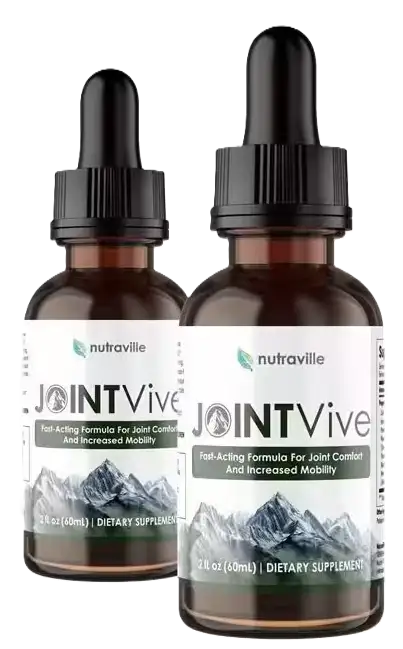
Complementing Your Routine: How JointVive Supports Joint Health
While exercise and lifestyle modifications are fundamental to managing joint pain, natural supplements can offer complementary support, providing your body with targeted nutrients to aid in repair, reduce inflammation, and enhance overall joint function. JointVive is formulated with a blend of potent, natural ingredients specifically chosen for their scientifically recognized benefits in supporting joint health.
JointVive is designed to work synergistically with your active lifestyle, helping to nourish cartilage, support a healthy inflammatory response, and provide antioxidants to protect joint tissues from oxidative stress. It’s an ideal addition for those seeking comprehensive support alongside their low-impact exercise regimen.

Bacopa Monnieri
Role: Known for its adaptogenic properties, Bacopa helps the body manage stress and supports a healthy inflammatory response, which can be beneficial for joint comfort.
Typical Dose: 300-450mg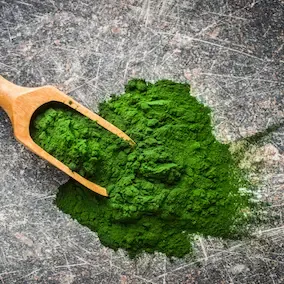
Chlorella
Role: A potent detoxifier and nutrient-dense algae, Chlorella helps reduce oxidative stress and supports immune function, indirectly aiding in a healthy inflammatory balance.
Typical Dose: 2-5g
Ginkgo Biloba
Role: Primarily known for improving circulation, Ginkgo can enhance blood flow to joint tissues, aiding in nutrient delivery and waste removal, which supports joint health.
Typical Dose: 120-240mg
Lion's Mane
Role: This medicinal mushroom offers neuroprotective benefits and has properties that can support a healthy inflammatory response throughout the body, including joints.
Typical Dose: 500-1000mg
Moringa
Role: A superfood packed with vitamins, minerals, and antioxidants, Moringa helps combat oxidative stress and supports a balanced inflammatory response in the body.
Typical Dose: 500-1500mg
Pine Bark Extract
Role: Rich in powerful antioxidants called proanthocyanidins, Pine Bark Extract helps protect joint tissues from free radical damage and supports healthy circulation.
Typical Dose: 50-100mg
Spirulina
Role: Another nutrient-dense algae, Spirulina provides a wealth of antioxidants and anti-inflammatory compounds, contributing to overall cellular health and joint comfort.
Typical Dose: 1-3g
Tamarind
Role: Extracts from Tamarind seeds have been studied for their ability to support joint comfort and flexibility by influencing pathways related to cartilage health and inflammation.
Typical Dose: 250-500mgFor individuals seeking a joint supplement without glucosamine, JointVive offers a distinct blend of botanical extracts and superfoods, providing an alternative approach to joint support. You can read more about options like this in our article: Joint Supplement Without Glucosamine: Exploring Alternatives.

Ready to Experience Comprehensive Joint Support?
JointVive offers a unique blend of nature's most powerful ingredients, meticulously chosen to support joint comfort, flexibility, and overall health. Don't let joint pain hold you back any longer.
- ✓ Supports a healthy inflammatory response
- ✓ Enhances joint flexibility and mobility
- ✓ Protects cartilage from oxidative stress
- ✓ Formulated with 8 potent natural ingredients
- ✓ Made in the USA, GMP Certified, 100% Natural




What Our Customers Are Saying
"I've tried so many things for my knee pain, but nothing helped like combining my daily swimming with JointVive. The difference in my mobility and comfort is truly remarkable. I can finally enjoy my walks again!"
"My yoga practice feels so much better since I started taking JointVive. Less stiffness in my hips and hands, and I feel like I can get deeper into poses without discomfort. It's truly been a game-changer for my flexibility."
"Chronic inflammation in my hands made everyday tasks difficult. After a few weeks of consistent low-impact exercises and JointVive, I noticed a significant reduction in swelling and pain. I'm so grateful for this product."
Frequently Asked Questions
Why are low-impact exercises recommended for joint pain?
+Low-impact exercises put less stress on your joints compared to high-impact activities, reducing the risk of further damage or exacerbating pain. They allow for consistent movement, which is crucial for maintaining joint lubrication and flexibility without excessive force.
How often should I swim or practice yoga for joint relief?
+For significant joint relief, aim for at least 150 minutes of moderate-intensity exercise per week, spread across 3-5 days. This could mean 30-60 minutes of swimming or yoga most days of the week. Listen to your body and consult with a healthcare professional to tailor a schedule that works for you.
Can yoga worsen joint pain?
+While yoga is generally beneficial, improper form or pushing beyond your body's limits can potentially worsen joint pain. It's crucial to practice with modifications, use props, and ideally work with an instructor experienced in therapeutic yoga for joint conditions like osteoarthritis. Always communicate any discomfort.
What are the main benefits of JointVive for joint health?
+JointVive is formulated with natural ingredients known for their anti-inflammatory and antioxidant properties. It aims to support joint comfort, flexibility, and overall health by nourishing cartilage, reducing oxidative stress, and promoting a healthy inflammatory response, complementing the benefits of exercise.
Is JointVive suitable for all types of joint pain?
+JointVive is designed to support general joint health and comfort, particularly beneficial for individuals experiencing discomfort associated with aging, daily wear-and-tear, or conditions like osteoarthritis. However, it's always recommended to consult with your doctor to determine if JointVive is appropriate for your specific condition and to ensure it doesn't interact with any existing medications.
How long does it take to see results from JointVive?
+Individual results can vary based on factors like the severity of joint discomfort, consistency of use, and overall lifestyle. Many users report noticeable improvements within a few weeks, while for others, it may take 1-2 months to experience the full benefits. Consistent daily use is key to achieving optimal results.
Related Articles