Are you experiencing persistent joint stiffness, swelling, and pain that makes everyday activities a challenge?
If you're living with the discomfort of osteoarthritis or other forms of joint inflammation, you understand the profound impact it can have on your quality of life. The constant throbbing, the limited range of motion, and the frustrating inability to move freely can be debilitating, often leading to a search for effective, natural solutions.
While various treatments exist, a growing body of scientific evidence points to the incredible power of Omega-3 fatty acids as a formidable ally in the fight against joint inflammation. These essential fats, often found in fish oil, play a crucial role in modulating the body's inflammatory responses, offering a natural pathway to relief and improved joint function.
Understanding Joint Inflammation and Osteoarthritis
Before we delve into the specifics of Omega-3s, it's essential to grasp what joint inflammation, particularly in the context of osteoarthritis, truly means.
Osteoarthritis (OA) is the most common form of arthritis, affecting millions worldwide. It's a degenerative joint disease that occurs when the protective cartilage on the ends of your bones wears down over time. While often perceived as a "wear and tear" disease, recent research highlights that inflammation plays a significant, active role in its progression and the associated pain.
When cartilage breaks down, it releases particles that can trigger an inflammatory response in the joint lining (synovium). This inflammation leads to the production of various chemical mediators – cytokines, prostaglandins, and leukotrienes – which not only cause pain and swelling but also accelerate further cartilage degradation. This creates a vicious cycle where inflammation drives damage, and damage fuels more inflammation.
Symptoms of joint inflammation and osteoarthritis commonly include joint pain, stiffness, swelling, loss of flexibility, grating sensation, and bone spurs. These symptoms can range from mild to severe, significantly impacting mobility and daily activities. Traditional treatments often focus on pain management and physical therapy, but addressing the underlying inflammatory processes is key to long-term relief and slowing disease progression.
This is where the natural anti-inflammatory properties of certain nutrients come into play, offering a complementary approach to managing this complex condition. For more natural approaches to managing joint health, consider reading our article on how to improve joint health naturally.
💡 Key Takeaway
Joint inflammation, especially in osteoarthritis, is a destructive cycle. Omega-3 fatty acids offer a natural way to interrupt this cycle by actively reducing the pro-inflammatory chemicals that cause pain and accelerate cartilage damage.
The Science Behind Omega-3 Fatty Acids and Inflammation
Omega-3 fatty acids are a group of polyunsaturated fats essential for human health, meaning our bodies cannot produce them and we must obtain them through diet. The three main types are Alpha-linolenic acid (ALA), Eicosapentaenoic acid (EPA), and Docosahexaenoic acid (DHA).
While ALA is found in plant sources, EPA and DHA, primarily found in fatty fish, are the powerhouses when it comes to anti-inflammatory benefits. Their mechanism of action is complex and multifaceted:
- Modulating Eicosanoid Production: Omega-3s compete with Omega-6 fatty acids (like arachidonic acid, common in Western diets) for enzymes that produce eicosanoids. While Omega-6s produce pro-inflammatory eicosanoids, Omega-3s produce less inflammatory or even anti-inflammatory eicosanoids. This shift in balance significantly reduces the body's overall inflammatory load.
- Generating Specialized Pro-Resolving Mediators (SPMs): EPA and DHA are precursors to a class of compounds called Specialized Pro-Resolving Mediators (SPMs), which include resolvins, protectins, and maresins. Unlike typical anti-inflammatory drugs that block inflammation, SPMs actively "resolve" inflammation. They signal the immune system to stop the inflammatory response, clear cellular debris, and promote tissue repair, essentially turning off the inflammatory cascade.
- Reducing Pro-Inflammatory Cytokines: Omega-3s can suppress the production of various pro-inflammatory cytokines, such as TNF-alpha, IL-1 beta, and IL-6, which are heavily involved in the pathogenesis of osteoarthritis and other inflammatory conditions. By lowering these chemical messengers, Omega-3s help to calm the immune system's overreaction in affected joints.
- Inhibiting Inflammatory Enzymes: Studies show that Omega-3s can inhibit the activity of enzymes like COX-2 (cyclooxygenase-2) and 5-LOX (5-lipoxygenase), which are key players in the synthesis of pro-inflammatory mediators. This is a similar mechanism to how some non-steroidal anti-inflammatory drugs (NSAIDs) work, but with a natural approach.
By influencing these pathways, Omega-3 fatty acids don't just mask symptoms; they address the root cause of inflammation, offering a comprehensive strategy for joint health. This makes them a vital component for anyone looking to manage conditions like osteoarthritis and chronic joint pain. Many people also look for a best joint health supplement to complement their diet.
💡 Key Takeaway
EPA and DHA don't just block inflammation; they actively resolve it by producing specialized compounds and reducing harmful inflammatory chemicals, making them powerful natural allies against joint pain and degeneration.
Key Benefits of Omega-3s for Joint Health and Osteoarthritis
Integrating Omega-3 fatty acids into your daily regimen can yield a multitude of benefits for your joints, extending beyond mere pain relief. Here are some of the most significant advantages:
Reduces Joint Pain and Stiffness
Perhaps the most sought-after benefit, Omega-3s significantly alleviate joint pain and morning stiffness. By lowering inflammation, they reduce the pressure and irritation on nerve endings within the joint, leading to a noticeable improvement in comfort and flexibility, especially for those with osteoarthritis.
Decreases Swelling and Tenderness
The anti-inflammatory actions of EPA and DHA directly target the swelling (edema) and tenderness often associated with inflamed joints. By reducing the accumulation of inflammatory fluid and cells, Omega-3s help to restore a more normal joint appearance and function, making movement less painful.
Slows Cartilage Degradation
Chronic inflammation is a major driver of cartilage breakdown in osteoarthritis. By mitigating this inflammation, Omega-3s help to protect existing cartilage from further damage. While they don't regenerate cartilage, they can slow the progression of the disease, preserving joint structure for longer.
Enhances Mobility and Function
With reduced pain, stiffness, and swelling, individuals often experience a significant improvement in their range of motion and overall joint function. This translates to greater ease in performing daily activities, exercising, and enjoying a more active lifestyle, thereby enhancing overall quality of life.
Reduces Reliance on NSAIDs
For many, Omega-3 supplementation can lead to a decreased need for non-steroidal anti-inflammatory drugs (NSAIDs), which often come with side effects like gastrointestinal issues. By providing natural pain and inflammation relief, Omega-3s offer a safer, complementary alternative or adjunct therapy.

Dietary Sources and Supplementation Considerations
To harness the anti-inflammatory power of Omega-3s, it's crucial to understand where to find them and how to ensure adequate intake.
Fatty Fish
The richest and most bioavailable sources of EPA and DHA are fatty, cold-water fish. Aim for at least two servings per week of salmon, mackerel, sardines, herring, or albacore tuna. These provide substantial amounts of the active Omega-3s directly.
Plant-Based Sources (ALA)
For vegetarians or those who don't eat fish, plant-based foods like flaxseeds, chia seeds, walnuts, and canola oil provide ALA. While ALA can convert to EPA and DHA in the body, the conversion rate is often low (around 5-10% for EPA and even less for DHA), so relying solely on these might not be sufficient for significant anti-inflammatory effects.
Omega-3 Supplements
Supplementation is often necessary to achieve therapeutic levels of EPA and DHA, especially for those managing chronic inflammation or osteoarthritis. Fish oil supplements are the most common, but algae-based options are available for vegans and those with fish allergies, providing DHA and sometimes EPA.
Optimal Dosage
For joint inflammation, recommended daily dosages of combined EPA and DHA typically range from 1,000 mg to 3,000 mg (1-3 grams). Always consult with a healthcare professional to determine the appropriate dosage for your specific needs, as higher doses might interact with certain medications or conditions.
Quality Matters
When choosing a supplement, look for third-party tested products to ensure purity, potency, and absence of contaminants like mercury and PCBs. Check for the triglyceride form, which is generally better absorbed, and store supplements properly to prevent oxidation.
Beyond Omega-3s: A Holistic Approach with JointVive's Natural Ingredients
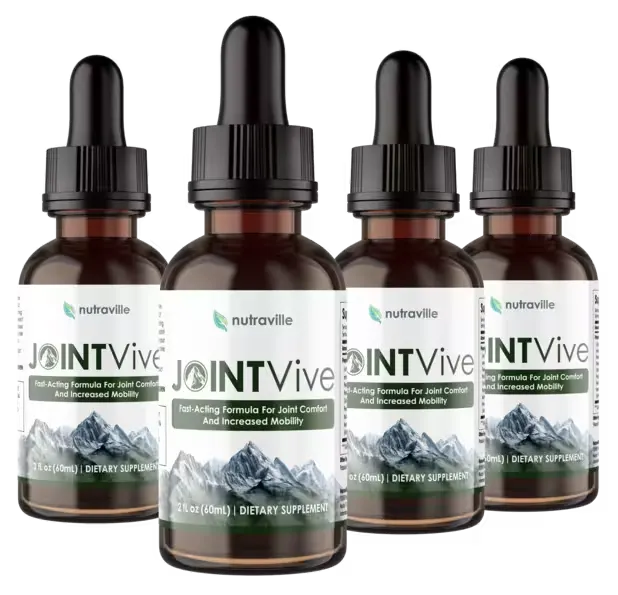
While Omega-3 fatty acids are incredibly beneficial for reducing joint inflammation, true joint health often requires a multi-faceted approach. Many natural ingredients work synergistically to support cartilage, soothe inflammation, and enhance overall joint comfort. JointVive recognizes this comprehensive need, incorporating several powerful botanicals known for their joint-supporting properties alongside the benefits of essential fatty acids.

Tamarind Seed Extract
Role: Rich in polysaccharides, tamarind seed extract is known to support cartilage health and lubrication, contributing to smoother joint movement and reduced friction. It also possesses anti-inflammatory properties that complement Omega-3s.
Typically 100-250mg daily
Chlorella Powder
Role: This nutrient-dense algae is packed with vitamins, minerals, and antioxidants. It supports cellular health and detoxification, indirectly aiding in the body's ability to manage inflammation and repair tissues around the joints.
Varies, often 500-1000mg daily
Moringa Leaf
Role: Known as the "miracle tree," moringa is a powerful anti-inflammatory and antioxidant. It contains compounds that can help reduce inflammatory markers and protect joint tissues from oxidative stress, working in harmony with Omega-3s.
Typically 200-500mg daily
Ginkgo Biloba
Role: Primarily known for cognitive benefits, Ginkgo Biloba also has potent antioxidant and anti-inflammatory properties. It can improve blood circulation, which is vital for delivering nutrients to and removing waste products from joint tissues, promoting healing and reducing pain.
Typically 60-120mg daily
Bacopa Monnieri
Role: While often associated with cognitive function, Bacopa also exhibits significant anti-inflammatory and antioxidant effects. It can help reduce systemic inflammation, contributing to overall joint comfort and a healthier inflammatory response.
Typically 150-300mg daily
Lion's Mane Mushroom
Role: Emerging research suggests Lion's Mane has neuroprotective and anti-inflammatory properties. It may help modulate immune responses and reduce inflammation, offering a unique contribution to comprehensive joint support.
Varies, often 500-1000mg daily
Pine Bark Extract
Role: A powerhouse of antioxidants (proanthocyanidins), pine bark extract is highly effective in neutralizing free radicals and reducing inflammation. It can improve circulation and support connective tissue health, crucial for robust joints.
Typically 50-150mg daily
Spirulina Powder
Role: Another superfood algae, spirulina provides a wide array of nutrients and boasts strong anti-inflammatory and antioxidant capabilities. It helps support immune function and reduce oxidative stress, both of which are critical for healthy joints.
Varies, often 500-1000mg dailyBy combining the targeted anti-inflammatory action of Omega-3s (which can be obtained through diet or separate supplementation) with these synergistic botanicals, a comprehensive supplement like JointVive aims to provide holistic support for individuals battling joint inflammation and osteoarthritis. This approach not only addresses inflammation but also nourishes and protects joint structures, offering a path to greater comfort and mobility. To learn more about how specific ingredients can help, read our article on natural cartilage repair supplements.
Ready to Experience the Difference?
Don't let joint pain and inflammation dictate your life any longer. While Omega-3s are a vital component, a holistic approach can provide even greater relief. JointVive offers a carefully formulated blend of natural ingredients designed to target inflammation, support cartilage, and enhance overall joint comfort.
- ✓ Supports Healthy Inflammatory Response
- ✓ Promotes Cartilage Health & Lubrication
- ✓ Reduces Joint Stiffness & Discomfort
- ✓ Enhances Flexibility & Mobility
- ✓ Crafted with 100% Natural Ingredients




What Our Users Are Saying
"I've been taking fish oil for years, but adding JointVive really made a difference in my knee pain. The combination seems to work wonders for my morning stiffness. I feel much more flexible now."
"My doctor recommended Omega-3s for my arthritis, and after researching, I found JointVive. My hand joints are less swollen, and the constant ache has significantly reduced. It's been a game-changer for my daily comfort."
"I was skeptical, but the natural ingredients in JointVive, alongside my Omega-3 intake, have truly helped. My hip pain is manageable, and I can enjoy walks again without constant discomfort. Highly recommend!"
Frequently Asked Questions
How exactly do Omega-3s reduce joint inflammation?
+Omega-3 fatty acids, particularly EPA and DHA, work by being incorporated into cell membranes, where they can then be converted into specialized pro-resolving mediators (SPMs) like resolvins and protectins. These compounds actively resolve inflammation, reducing the production of pro-inflammatory cytokines and enzymes (like COX-2) that contribute to pain and swelling in joints. They essentially help to 'turn off' the inflammatory response, promoting healing and reducing discomfort.
What are the best sources of Omega-3 fatty acids for joint health?
+The most potent dietary sources of EPA and DHA are fatty fish such as salmon, mackerel, sardines, tuna, and herring. For those who don't consume fish, algae-based supplements can provide DHA and sometimes EPA directly. Alpha-linolenic acid (ALA), found in flaxseeds, chia seeds, walnuts, and some plant oils, is a precursor to EPA and DHA, but its conversion rate in the body is often low. Therefore, direct sources of EPA and DHA are generally recommended for optimal joint health benefits.
How long does it take for Omega-3s to show effects on joint pain?
+The time it takes to experience benefits from Omega-3 supplementation can vary significantly among individuals. Some people may notice improvements in joint stiffness and pain within 4-12 weeks of consistent daily intake, while for others, it might take longer, up to 3-6 months. It's important to maintain a consistent dosage and lifestyle, as Omega-3s work cumulatively to reduce chronic inflammation.
Are there any side effects of taking Omega-3 supplements?
+Omega-3 supplements are generally well-tolerated. The most common side effects are mild gastrointestinal issues, such as a fishy aftertaste, indigestion, nausea, or loose stools. Taking supplements with meals or choosing enteric-coated options can often mitigate these effects. High doses might increase the risk of bleeding in some individuals, especially those on anticoagulant medications. Always consult a healthcare professional before starting any new supplement, particularly if you have underlying health conditions or are taking other medications.
Can Omega-3s reverse joint damage from osteoarthritis?
+While Omega-3 fatty acids are highly effective at reducing inflammation and alleviating symptoms like pain and stiffness associated with osteoarthritis, they are not known to reverse existing joint damage or regenerate cartilage. Their primary role is to manage the inflammatory component of the disease, slow its progression, and improve overall joint function and comfort. For comprehensive joint support, a multifaceted approach involving diet, exercise, and targeted supplements is often recommended.
How do I choose a high-quality Omega-3 supplement?
+When selecting an Omega-3 supplement, look for products that specify the amounts of EPA and DHA per serving, as these are the active compounds for joint health. Choose supplements that are molecularly distilled or purified to remove heavy metals (like mercury), PCBs, and other contaminants. Reputable brands often provide third-party testing certifications for purity and potency. Also, consider the form (triglyceride form is generally better absorbed) and ensure it's fresh to avoid rancidity, which can be indicated by a strong fishy smell or taste.
Related Articles