Is Your Weight Contributing to Your Joint Pain and Arthritis?
For millions worldwide, the daily struggle with joint pain is a pervasive reality, often accompanied by the silent burden of excess weight. You might be experiencing stiffness in your knees, aches in your hips, or discomfort in your spine, wondering if there's a deeper connection between these symptoms and your body mass. The answer, from a growing body of scientific evidence, is a resounding yes.
The relationship between weight and joint health is far more intricate than simple mechanical stress. It's a complex interplay of physical forces, metabolic processes, and systemic inflammation that can either amplify or alleviate your discomfort. Understanding this vital link is the first step towards finding significant relief from chronic joint discomfort and regaining your mobility.
The Dual Burden: How Excess Weight Aggravates Joint Pain and Arthritis
Excess body weight doesn't just add a few extra pounds; it imposes a relentless, cumulative stress on your body's most crucial weight-bearing joints. This burden manifests in two primary ways: mechanical stress and metabolic inflammation.
Every step you take, every time you stand up, your joints, particularly your knees, hips, and spine, bear the brunt of your body weight. For every single pound of excess weight you carry, your knees experience an additional four pounds of pressure. This means that if you are 25 pounds overweight, your knees are enduring an extra 100 pounds of force with each movement. Over time, this constant, amplified pressure can lead to the premature breakdown of cartilage, the smooth, protective tissue that cushions your joints. This wear and tear is a hallmark of osteoarthritis (OA), the most common form of arthritis, which causes pain, stiffness, and reduced mobility.
Beyond the mechanical impact, excess body fat, especially visceral fat (fat around the organs), is not merely inert storage. Adipose tissue is metabolically active and produces a range of inflammatory chemicals called cytokines. These cytokines, such as TNF-alpha and interleukin-6, circulate throughout the body, contributing to systemic inflammation. This chronic low-grade inflammation can directly damage joint tissues, exacerbate cartilage degradation, and amplify pain signals, making existing arthritis conditions worse and potentially accelerating their onset. This metabolic component explains why even non-weight-bearing joints, like those in the hands, can be affected by weight-related inflammation.
The synergy between mechanical stress and metabolic inflammation creates a vicious cycle. Increased pain and reduced mobility due to joint damage make it harder to exercise, which in turn can lead to further weight gain, perpetuating the cycle of pain and deterioration. Breaking this cycle is paramount for anyone seeking long-term relief from joint discomfort.
💡 Key Takeaway
Excess weight damages joints through direct mechanical stress and by producing inflammatory chemicals. This dual impact accelerates cartilage breakdown, worsens osteoarthritis, and creates a cycle of pain and reduced mobility.
Osteoarthritis and Joint Inflammation: A Closer Look at the Impact of Weight
Osteoarthritis (OA) is a degenerative joint disease affecting millions, characterized by the breakdown of cartilage and underlying bone. While traditionally seen as a "wear and tear" disease, recent research highlights inflammation's significant role, especially in the context of obesity.
Cartilage Degradation
The cartilage in your joints acts as a shock absorber. When you carry excess weight, this cartilage is subjected to immense pressure, leading to micro-traumas and eventual erosion. Once cartilage is damaged, it has limited ability to repair itself, leading to bone-on-bone friction, pain, and stiffness. This process is significantly accelerated by obesity.
Synovial Inflammation (Synovitis)
The synovial membrane lines the joint capsule and produces synovial fluid, which lubricates the joint. In obese individuals, the inflammatory cytokines produced by fat cells can trigger chronic inflammation of this membrane, known as synovitis. Synovitis contributes to pain, swelling, and further cartilage damage, creating a more aggressive form of OA.
Bone Changes
Chronic stress and inflammation also affect the subchondral bone, the bone directly beneath the cartilage. This can lead to bone remodeling, the formation of osteophytes (bone spurs), and cysts, all of which contribute to joint pain and altered joint mechanics. These changes are more pronounced and progress faster in individuals with higher body mass.
Reduced Joint Function and Mobility
The combination of pain, stiffness, and structural changes severely limits joint function. Everyday activities like walking, climbing stairs, or even getting out of a chair become challenging. This reduced mobility often leads to a more sedentary lifestyle, which in turn can lead to further weight gain and muscle atrophy, intensifying the cycle of joint deterioration and pain.
The Transformative Power of Weight Loss for Joint Health
The good news is that even modest weight loss can yield profound benefits for your joint health, often leading to a significant reduction in pain and improvement in quality of life.
Consider the impact: losing just 10-15 pounds can reduce the load on your knees by 40-60 pounds with every step. This dramatic decrease in mechanical stress slows down cartilage wear and tear, giving your joints a much-needed reprieve. Studies have shown that a 5-10% reduction in body weight can lead to a 50% improvement in knee pain for individuals with osteoarthritis. This isn't just about reducing pain; it's about improving your ability to move freely, engage in activities you love, and enhance your overall well-being.
Beyond the mechanical benefits, weight loss also helps to reduce the systemic inflammation that contributes to joint damage. As fat cells shrink, they produce fewer inflammatory cytokines, thereby lowering the overall inflammatory burden on your body. This anti-inflammatory effect can lead to less swelling, reduced morning stiffness, and a slower progression of arthritis. For a deeper dive into how specific nutrients can support joint health, you can read our article on Glucosamine, Chondroitin, and MSM: The Science Behind Joint Support.
Achieving weight loss involves a combination of dietary changes and increased physical activity. Focus on a balanced diet rich in whole foods, lean proteins, fruits, and vegetables, while limiting processed foods and sugary drinks. Incorporate low-impact exercises like swimming, cycling, or brisk walking, which strengthen the muscles supporting your joints without putting excessive strain on them. Even small, consistent changes can accumulate into significant benefits over time, offering a pathway to a more comfortable and active life.

Holistic Strategies for Weight Management and Joint Relief
Adopt an Anti-Inflammatory Diet
Focus on whole, unprocessed foods. Incorporate plenty of fruits, vegetables, lean proteins, and healthy fats (like omega-3s found in fish, nuts, and seeds). Reduce intake of processed foods, refined sugars, and unhealthy trans fats, which can fuel inflammation. This dietary approach not only supports weight loss but also directly combats systemic inflammation that affects your joints.
Embrace Low-Impact Exercise
Physical activity is crucial for weight loss and joint health, but it must be done smartly. Choose exercises that don't put excessive strain on your joints. Swimming, water aerobics, cycling, yoga, and walking are excellent options. These activities help strengthen the muscles around your joints, improve flexibility, and aid in calorie burning without exacerbating pain. For specific recommendations, explore our guide on Best Exercises for Osteoarthritis and Knee Pain.
Build Muscle Strength
Strong muscles provide better support and stability for your joints, reducing the load on cartilage and ligaments. Incorporate gentle strength training exercises using light weights, resistance bands, or your own body weight. Focus on muscles around the knees, hips, and core. Consistency is key, and proper form is essential to prevent injury. Consult a physical therapist for personalized guidance.
Prioritize Quality Sleep
Adequate sleep is vital for overall health, including weight management and pain perception. Poor sleep can disrupt hormones that regulate appetite, leading to increased cravings and weight gain. It also impairs the body's ability to repair and recover, potentially intensifying joint pain. Aim for 7-9 hours of quality sleep per night to support both your weight loss journey and joint healing.
Manage Stress Effectively
Chronic stress can lead to increased inflammation and weight gain, as it often triggers unhealthy coping mechanisms and hormonal imbalances. Incorporate stress-reduction techniques into your daily routine, such as meditation, deep breathing exercises, mindfulness, or spending time in nature. Managing stress can significantly contribute to both your weight loss efforts and your ability to cope with chronic pain.
Consider Natural Joint Support
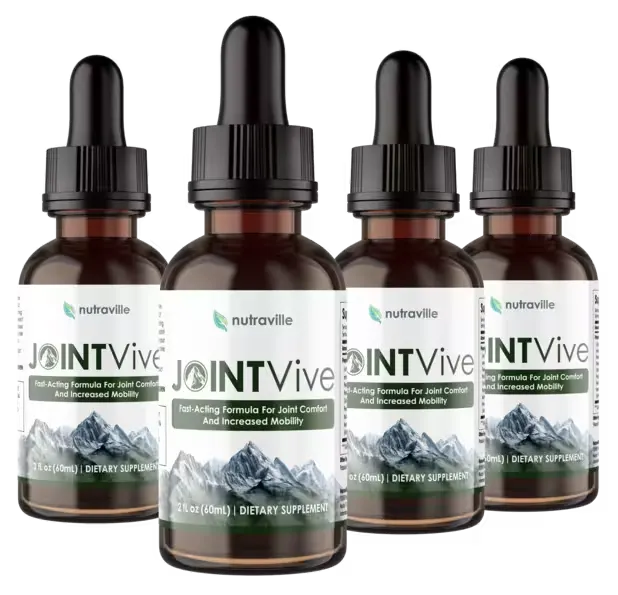
While lifestyle changes are foundational, natural supplements can offer additional support for joint health. Ingredients like those found in JointVive are formulated to help reduce inflammation, provide antioxidants, and support cartilage integrity. They can be a valuable complement to your weight management and joint care strategy, helping to ease discomfort and improve joint function. For a detailed look at the science behind specific ingredients, see our article JointVive Ingredients: Science & Clinical Evidence.
Synergistic Support: How JointVive's Natural Ingredients Aid Joint Health
JointVive is formulated with a blend of natural ingredients carefully selected for their potential to support joint health, reduce inflammation, and enhance overall mobility. These ingredients work synergistically to address various aspects of joint discomfort, complementing your efforts in weight management and lifestyle changes.

Bacopa Monnieri
Role: Known for its adaptogenic properties, Bacopa Monnieri helps reduce oxidative stress and inflammation, which are key contributors to joint pain and degeneration. It also supports cognitive function and stress reduction, indirectly aiding in pain management.
Typical Dose: 300-450mg extract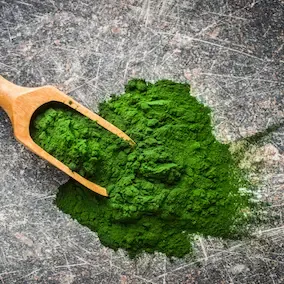
Chlorella
Role: This potent green algae is rich in antioxidants, vitamins, and minerals. It aids in detoxification and has anti-inflammatory properties that can help soothe irritated joint tissues. Chlorella also supports cellular repair and immune function, which are vital for healthy joints.
Typical Dose: 2-5g powder
Ginkgo Biloba
Role: Primarily known for improving circulation, Ginkgo Biloba can enhance blood flow to joint tissues, delivering essential nutrients and removing waste products. Its powerful antioxidant properties also protect cells from damage caused by free radicals, reducing inflammation.
Typical Dose: 120-240mg extract
Lion's Mane Mushroom
Role: An increasingly popular functional mushroom, Lion's Mane offers significant anti-inflammatory and neuroprotective benefits. Its compounds may help reduce inflammatory markers and support nerve health, which can be beneficial in managing chronic joint pain and discomfort.
Typical Dose: 500-1000mg extract
Moringa Oleifera
Role: Often called the "miracle tree," Moringa is packed with over 90 nutrients, including powerful anti-inflammatory compounds. It helps combat oxidative stress and provides a wide spectrum of vitamins and minerals essential for bone and joint health, contributing to overall vitality.
Typical Dose: 500-1500mg powder
Pine Bark Extract
Role: Rich in proanthocyanidins, Pine Bark Extract is a potent antioxidant and anti-inflammatory agent. It can help reduce pain and stiffness in joints by inhibiting inflammatory pathways and protecting cartilage from degradation, improving comfort and flexibility.
Typical Dose: 50-150mg extract
Spirulina
Role: Another nutrient-dense blue-green algae, Spirulina is known for its high protein content and powerful antioxidant properties. It helps reduce inflammation and supports immune health, which can positively impact the body's response to joint stress and aid in recovery.
Typical Dose: 1-3g powder
Tamarind Seed Extract
Role: Traditionally used for its medicinal properties, Tamarind Seed Extract contains compounds that have been shown to support joint cartilage, reduce inflammation, and alleviate pain. It contributes to improved joint comfort and flexibility, aiding in daily movement.
Typical Dose: 250-500mg extractThe Path Forward: Embracing a Life with Less Pain
The journey to reduced joint pain and improved mobility is a holistic one, encompassing lifestyle changes, dietary adjustments, and often, targeted nutritional support.
Understanding the profound connection between your weight and your joint health is the first, most crucial step. By committing to even modest weight loss, you are not just shedding pounds; you are actively reducing the immense pressure on your joints, calming systemic inflammation, and giving your body the best chance to heal and thrive. This effort can translate into tangible improvements in pain levels, increased flexibility, and a greater capacity to enjoy life without the constant shadow of joint discomfort.
Remember, this is not a quick fix but a sustainable lifestyle change. Incorporating an anti-inflammatory diet, engaging in regular low-impact exercise, prioritizing sleep, and managing stress are all pillars of this journey. For those seeking additional support, natural supplements like JointVive, with its blend of carefully selected ingredients, can serve as a powerful ally. They are designed to work synergistically with your body's natural processes, providing targeted nutrients to help reduce inflammation, protect cartilage, and enhance overall joint function.
Don't let joint pain dictate your life any longer. Take control by addressing the factors you can, starting with your weight. Empower yourself with knowledge and proactive steps to nurture your joints and reclaim your freedom of movement. Your joints will thank you for it, and you'll discover a renewed sense of vitality and well-being.
Experience the JointVive Difference: Natural Support for Healthier, Happier Joints
Ready to take a proactive step towards reducing your joint pain and improving your mobility? JointVive offers a meticulously crafted formula designed to support your joints naturally, working in harmony with your body's own healing mechanisms.
- ✓ Supports Healthy Cartilage & Joint Structure
- ✓ Helps Reduce Inflammation & Discomfort
- ✓ Enhances Flexibility & Mobility
- ✓ Formulated with 8 Powerful Natural Ingredients
- ✓ Made in the USA, GMP Certified Facility




Hear From Our Happy Customers
"I've struggled with knee pain for years, especially after gaining weight. Since I started taking JointVive and made some dietary changes, the difference is incredible. I can walk further and my knees feel so much better. It's truly been a game-changer!"
"As an active senior, joint health is paramount. I noticed my mobility declining, and my doctor suggested losing a few pounds. Combined with JointVive, my hips and back feel more flexible. I'm back to enjoying my morning walks without constant discomfort."
"I was skeptical, but the reviews convinced me to try JointVive. Along with my weight loss efforts, I've seen a significant reduction in the swelling and stiffness in my hands. It's a fantastic natural addition to my joint care routine."
Frequently Asked Questions
How does excess weight directly impact my joints?
+Excess weight significantly increases the mechanical stress on weight-bearing joints like the knees, hips, and spine. For every pound of body weight, your knees experience an additional four pounds of pressure. This constant strain accelerates cartilage breakdown, leading to pain and exacerbating conditions like osteoarthritis. Beyond mechanical stress, adipose tissue (fat) produces inflammatory chemicals called cytokines, which can circulate throughout the body and contribute to systemic inflammation, further damaging joint tissues.
Can losing a small amount of weight really make a difference for arthritis pain?
+Absolutely. Even a modest weight loss of 5-10% of your body weight can lead to significant improvements in joint pain and function, especially in the knees. For someone weighing 200 pounds, losing just 10-20 pounds can reduce the load on their knees by 40-80 pounds with every step. This reduction in stress, combined with decreased systemic inflammation, can translate to a noticeable decrease in pain, improved mobility, and a slower progression of osteoarthritis.
What are the best types of exercise for someone with joint pain who wants to lose weight?
+Low-impact exercises are ideal for individuals with joint pain because they minimize stress on the joints while still providing cardiovascular and calorie-burning benefits. Examples include swimming, water aerobics, cycling (stationary or outdoor), elliptical training, and brisk walking. Strength training with light weights or resistance bands is also crucial for building muscle around the joints, providing better support and stability. Always consult with a healthcare professional or physical therapist before starting a new exercise regimen.
How do natural supplements like JointVive fit into a weight loss and joint health plan?
+Natural supplements can play a supportive role by providing specific nutrients and botanical extracts known for their anti-inflammatory, antioxidant, and cartilage-supporting properties. While not a substitute for diet and exercise, ingredients found in supplements like JointVive, such as Bacopa Monnieri, Chlorella, and Ginkgo Biloba, may help reduce inflammation, alleviate pain, and protect joint tissues. They work synergistically with lifestyle changes to enhance overall joint health and comfort, making it easier to stay active and manage weight.
Are there specific dietary changes that can help with both weight loss and joint inflammation?
+Yes, adopting an anti-inflammatory diet is highly beneficial. Focus on whole, unprocessed foods such as fruits, vegetables, lean proteins, and healthy fats. Incorporate foods rich in omega-3 fatty acids (like fatty fish, flaxseeds, chia seeds), which are known for their powerful anti-inflammatory effects. Limit processed foods, sugary drinks, refined carbohydrates, and unhealthy trans fats, as these can promote inflammation and hinder weight loss efforts. A balanced diet not only aids in shedding excess weight but also directly combats the inflammatory processes affecting your joints.
Is JointVive safe to take with other medications or for individuals with other health conditions?
+JointVive is formulated with natural ingredients, but it is always crucial to consult with your healthcare provider before starting any new supplement, especially if you are taking medications or have pre-existing health conditions. Your doctor can assess potential interactions with your current medications and determine if JointVive is appropriate for your specific health profile. This ensures your safety and optimizes the benefits of the supplement.
Related Articles