Are you struggling with persistent knee pain and stiffness due to osteoarthritis?
You're not alone. Millions worldwide experience the daily challenges of osteoarthritis (OA), a degenerative joint disease that often targets the knees. The discomfort can make even simple movements feel like a monumental task, leading many to avoid physical activity altogether.
However, contrary to common belief, movement is not the enemy; it's a powerful ally in managing OA. Engaging in the right kinds of exercises can significantly reduce pain, improve joint function, and enhance your overall quality of life. This article will guide you through the best exercises specifically designed for osteoarthritis and knee pain relief, helping you regain control and move with greater ease.

Understanding Osteoarthritis and the Power of Exercise
Before we dive into specific exercises, it's helpful to understand what osteoarthritis is and why physical activity is so crucial for its management.
Osteoarthritis is the most common form of arthritis, characterized by the breakdown of cartilage – the slippery tissue that covers the ends of bones in a joint, allowing them to glide smoothly over each other. When cartilage wears down, bones rub against each other, leading to pain, swelling, stiffness, and reduced range of motion. While OA can affect any joint, it most commonly impacts the hands, hips, spine, and especially the knees.
Many people mistakenly believe that resting an arthritic joint is the best approach. However, while rest is important during acute flare-ups, prolonged inactivity can actually worsen OA symptoms. Lack of movement leads to muscle weakness, decreased flexibility, and further stiffness. This creates a vicious cycle where pain leads to inactivity, which then leads to more pain and functional decline.
This is where exercise becomes a powerful therapeutic tool. Regular, appropriate physical activity can:
- Strengthen the muscles surrounding your knee joints, providing better support and stability.
- Improve joint flexibility and range of motion, making daily activities easier.
- Help maintain a healthy weight, reducing the load on your knees.
- Reduce pain and stiffness by promoting the production of synovial fluid, which lubricates the joints.
- Boost mood and energy levels, combating the fatigue and depression often associated with chronic pain.
- Decrease inflammation throughout the body, a key factor in OA progression.
The key is to choose the right types of exercises and perform them safely. Always consult with your doctor or a physical therapist before starting any new exercise program, especially if you have chronic conditions like osteoarthritis or significant knee pain.
💡 Key Takeaway
Exercise is a critical component of osteoarthritis management, helping to strengthen supporting muscles, improve joint flexibility, reduce pain, and decrease inflammation. Avoiding movement can worsen symptoms, while targeted, low-impact activity can significantly improve quality of life.
Types of Exercises Beneficial for Osteoarthritis and Knee Pain
A balanced exercise program for knee osteoarthritis typically incorporates three main types of activities:
Low-Impact Aerobic Exercises
These activities raise your heart rate and improve cardiovascular fitness without putting excessive stress on your joints. They are excellent for overall health, weight management, and reducing inflammation. Examples include walking, cycling, swimming, and elliptical training. Aim for at least 150 minutes of moderate-intensity aerobic activity per week.
Strength Training Exercises
Building strong muscles around your knees provides crucial support and stability, which can significantly reduce pain and improve function. Focus on exercises that target the quadriceps (front of thigh), hamstrings (back of thigh), and glutes (buttocks). Use light weights, resistance bands, or your own body weight. Perform strength training 2-3 times per week, allowing a day of rest in between sessions.
Flexibility and Range of Motion Exercises
These exercises help maintain or improve the mobility of your knee joint, reducing stiffness and making daily movements easier. Gentle stretching, yoga, and tai chi are excellent options. Hold stretches for 20-30 seconds, feeling a gentle pull but no pain. Incorporate flexibility exercises daily or most days of the week.
Balance Exercises
Improving balance is especially important for individuals with OA, as joint instability can increase the risk of falls. Simple exercises like standing on one leg (with support initially) or heel-to-toe walking can enhance proprioception and reduce fall risk. Integrate balance work into your routine a few times a week, ensuring you have something stable to hold onto.
Specific Exercises for Knee Pain Relief
Here are some effective, low-impact exercises you can incorporate into your routine to target knee pain and improve joint health. Remember to start slowly, listen to your body, and stop if you experience sharp pain.
Strengthening Exercises:
- Quadriceps Sets: Lie on your back with your legs extended. Place a small towel roll under your knee. Gently press the back of your knee into the towel, tightening your thigh muscle (quadriceps). Hold for 5-10 seconds, then relax. Repeat 10-15 times per leg. This is a great starting point, especially if you have significant pain.
- Straight Leg Raises: Lie on your back with one knee bent and foot flat on the floor. Keep the other leg straight. Tighten the thigh muscle of the straight leg and slowly lift it about 6-12 inches off the floor. Hold for a few seconds, then slowly lower. Repeat 10-15 times per leg.
- Hamstring Curls (Standing or Prone):
- Standing: Hold onto a chair for balance. Slowly bend one knee, bringing your heel towards your buttock. Keep your thighs aligned. Lower slowly. Repeat 10-15 times per leg.
- Prone: Lie on your stomach. Slowly bend one knee, bringing your heel towards your buttock. Lower slowly. Repeat 10-15 times per leg.
- Glute Bridges: Lie on your back with knees bent and feet flat on the floor, hip-width apart. Engage your glutes and lift your hips off the floor until your body forms a straight line from shoulders to knees. Hold briefly, then slowly lower. Repeat 10-15 times.
- Wall Squats: Stand with your back against a wall, feet shoulder-width apart, about 1-2 feet from the wall. Slowly slide down the wall until your knees are bent to about a 45-degree angle (or less if uncomfortable). Hold for 20-30 seconds, then slide back up. Repeat 3-5 times.
Aerobic Exercises:
- Walking: A simple yet effective exercise. Start with short durations (10-15 minutes) at a comfortable pace and gradually increase time and intensity. Wear supportive shoes.
- Cycling (Stationary or Recumbent): Cycling is excellent because it's non-weight-bearing, reducing stress on the knees while building quadriceps strength. Adjust the seat height so your knee is only slightly bent at the bottom of the pedal stroke.
- Swimming/Water Aerobics: The buoyancy of water supports your body weight, making movement easier and less painful. Water exercises can improve range of motion, strength, and cardiovascular fitness without impact.
- Elliptical Trainer: Provides a low-impact cardio workout that mimics walking or running but with less stress on the knees compared to a treadmill.
Flexibility Exercises:
- Heel Slides: Lie on your back with legs extended. Slowly slide one heel towards your buttock, bending your knee as far as comfortable. Use a towel under your heel if it helps. Hold for 15-30 seconds, then slowly slide back. Repeat 10-15 times per leg.
- Standing Hamstring Stretch: Stand with a slight bend in your knees. Place one heel on a low step or stool. Keeping your back straight, gently lean forward until you feel a stretch in the back of your thigh. Hold for 20-30 seconds. Repeat 2-3 times per leg.
- Calf Stretch: Stand facing a wall, placing your hands on it. Step one foot back, keeping the heel down and the leg straight. Lean forward until you feel a stretch in your calf. Hold for 20-30 seconds. Repeat 2-3 times per leg.
For additional resources on managing joint inflammation, you might find this article on omega-3 fatty acids and joint inflammation helpful.

Tips for Exercising Safely with Osteoarthritis
Start Slow and Progress Gradually
Don't try to do too much too soon. Begin with short durations and low intensity, even just 5-10 minutes. As your strength and endurance improve, gradually increase the time, repetitions, or resistance. Consistency is more important than intensity.
Listen to Your Body
Pain is your body's warning signal. A little muscle soreness after exercise is normal, but sharp, shooting, or persistent joint pain is not. If an exercise causes pain, stop immediately. You might need to modify the movement, reduce the intensity, or choose a different exercise.
Wear Proper Footwear
Supportive, well-cushioned shoes can absorb shock and provide stability, reducing stress on your knees and other joints during weight-bearing activities like walking or standing exercises.
Warm-Up and Cool-Down
Always begin your exercise session with 5-10 minutes of light warm-up activities, such as gentle walking or knee circles, to prepare your joints and muscles. End with 5-10 minutes of gentle stretching to improve flexibility and prevent stiffness.
Consider Professional Guidance
Working with a physical therapist or an exercise physiologist can be incredibly beneficial. They can assess your condition, recommend personalized exercises, and teach you proper form to prevent injury and maximize benefits. They can also advise on specific modifications for your unique challenges.
Incorporate Rest Days
Allowing your body time to recover is just as important as the exercise itself. Schedule rest days between strength training sessions, and take a day off from all intense activity if your joints feel particularly sore or inflamed. Active recovery like gentle stretching can be done on rest days.
Beyond Exercise: A Holistic Approach to Joint Health
While exercise is fundamental, managing osteoarthritis and knee pain effectively often requires a multi-faceted approach. Integrating other healthy lifestyle choices can significantly amplify the benefits of your exercise routine.
Maintain a Healthy Weight: Excess body weight places considerable strain on weight-bearing joints, especially the knees. Even a modest weight loss can dramatically reduce stress and improve pain levels. Combine your exercise with a balanced, nutritious diet to achieve and maintain a healthy BMI.
Anti-Inflammatory Diet: Certain foods can either promote or reduce inflammation. Adopting an anti-inflammatory diet rich in fruits, vegetables, whole grains, lean proteins, and healthy fats (like those found in fish, nuts, and olive oil) can help mitigate systemic inflammation that contributes to OA symptoms. Limiting processed foods, sugary drinks, and red meat can also be beneficial.
Stress Management: Chronic stress can worsen pain perception and contribute to inflammation. Practices like meditation, deep breathing exercises, yoga, or spending time in nature can help manage stress and improve your overall well-being.
Adequate Sleep: Quality sleep is essential for the body's repair and recovery processes. Aim for 7-9 hours of uninterrupted sleep each night to help manage pain and inflammation.
Joint Support Supplements: For some individuals, certain natural supplements can provide additional support for joint health and comfort. Ingredients with anti-inflammatory properties or those that support cartilage integrity can be a valuable addition to a holistic management plan. For instance, you might want to learn more about JointVive versus traditional glucosamine supplements to understand different approaches to joint care.
How JointVive Can Complement Your Joint Health Journey
As you embark on or continue your exercise journey to combat osteoarthritis and knee pain, consider augmenting your efforts with targeted nutritional support. JointVive is an advanced natural supplement formulated with a blend of potent ingredients chosen for their synergistic effects on joint health, inflammation reduction, and overall mobility. It's designed to work in harmony with your active lifestyle, providing the building blocks and anti-inflammatory compounds your joints need to thrive.

Bacopa Monnieri
Role: Known for its adaptogenic and anti-inflammatory properties, Bacopa may help reduce discomfort and support overall neurological health, which can indirectly benefit pain management.
Typical Dose: 300-450mg extract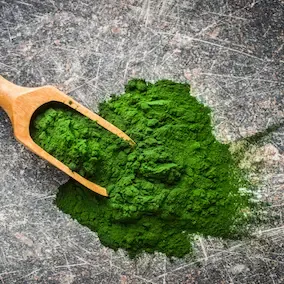
Chlorella
Role: A nutrient-dense superfood, Chlorella is rich in antioxidants and anti-inflammatory compounds that can help reduce oxidative stress and inflammation in the joints, supporting cellular repair.
Typical Dose: 2-5g daily
Ginkgo Biloba
Role: Improves blood circulation, which is vital for delivering nutrients to joint tissues and removing waste products. Its antioxidant properties also help protect joint cells from damage.
Typical Dose: 120-240mg extract
Lion's Mane Mushroom
Role: Supports nerve health and has potent anti-inflammatory effects. This can be beneficial for reducing nerve-related pain often associated with chronic joint conditions and promoting tissue healing.
Typical Dose: 500-1500mg extract
Moringa Oleifera
Role: A powerhouse of vitamins, minerals, and antioxidants, Moringa possesses strong anti-inflammatory properties that can help alleviate joint swelling and pain while nourishing the body.
Typical Dose: 1-6g powder
Pine Bark Extract
Role: Rich in proanthocyanidins, it's a powerful antioxidant and anti-inflammatory agent. It helps protect cartilage from degradation and improves blood flow to connective tissues, promoting joint comfort.
Typical Dose: 50-100mg extract
Spirulina
Role: Another superfood algae, Spirulina is packed with protein, vitamins, and minerals. Its anti-inflammatory and immune-modulating properties can help reduce joint pain and support overall resilience against inflammation.
Typical Dose: 1-8g daily
Tamarind Seed Extract
Role: Emerging research suggests Tamarind seed extract can significantly improve joint comfort and function in OA sufferers by protecting cartilage and reducing inflammatory markers.
Typical Dose: 250-500mg extractBy providing targeted support for inflammation, cartilage health, and overall joint function, JointVive aims to make your daily movements more comfortable, allowing you to engage in your recommended exercises with greater ease and consistency. For a deeper dive into how such supplements work, you can read our joint rejuvenation supplement review.

Experience the JointVive Difference for Yourself
Don't let osteoarthritis and knee pain dictate your life any longer. Combine the power of targeted exercise with the advanced support of JointVive. Our carefully selected natural ingredients work synergistically to help you reclaim your mobility, reduce discomfort, and live a more active, fulfilling life.
- ✓ Supports healthy cartilage & joint lubrication
- ✓ Helps reduce inflammation & stiffness
- ✓ Promotes improved flexibility & mobility
- ✓ Crafted with 100% natural, potent ingredients
- ✓ Made in the USA in a GMP-certified facility




What Our Users Say About JointVive
"For years, my knee pain made exercising a nightmare. Since starting JointVive, combined with my physical therapy exercises, I've noticed a significant reduction in stiffness. I can walk longer and even enjoy light cycling again!"
"I was skeptical about supplements, but my doctor recommended a natural approach. JointVive has been a game-changer. My morning knee stiffness is much better, and it's easier to do my recommended stretches. Highly recommend!"
"After months of trying different things for my osteoarthritis, I found JointVive. The combination of ingredients seems to really target my inflammation. My knees feel more lubricated, and I'm back to enjoying my gardening."
Frequently Asked Questions
What type of exercises are best for osteoarthritis?
+The best exercises for osteoarthritis are a combination of low-impact aerobic activities, strength training, and flexibility exercises. Low-impact aerobics like swimming, cycling, or walking reduce stress on joints while improving cardiovascular health. Strength training builds muscle around the affected joints, providing better support and stability. Flexibility exercises, such as gentle stretching and yoga, help maintain or improve range of motion.
How often should someone with knee osteoarthritis exercise?
+For most individuals with knee osteoarthritis, it's recommended to engage in at least 150 minutes of moderate-intensity aerobic activity per week, spread across 3-5 days. Strength training should be performed 2-3 times a week on non-consecutive days, targeting major muscle groups. Flexibility exercises can be done daily. It's crucial to listen to your body and adjust the intensity and duration based on your pain levels and energy. Consistency is key, even if it means shorter, more frequent sessions.
Can exercise make my osteoarthritis worse?
+When done incorrectly or excessively, exercise can potentially exacerbate osteoarthritis symptoms. However, this is usually due to high-impact activities, improper form, or pushing through sharp pain. The right type and amount of exercise, as guided by a healthcare professional, is generally beneficial and does not worsen OA. In fact, regular, appropriate exercise helps lubricate joints, strengthen supporting muscles, and reduce inflammation, often leading to significant pain relief and improved function. Always start slowly and gradually increase intensity.
What are some safe exercises for severe knee pain?
+For severe knee pain, it's vital to start with very gentle, non-weight-bearing exercises. Examples include isometric quadriceps exercises (tightening thigh muscles without moving the leg), gentle knee bends while seated, heel slides, or water exercises where buoyancy reduces stress on the joints. Even simple ankle pumps can help maintain circulation. Always consult a physical therapist or doctor before starting any new routine, especially with severe pain, to ensure the exercises are appropriate and safe for your specific condition.
Should I use supplements like JointVive alongside my exercise routine?
+Many individuals find that incorporating a high-quality joint support supplement can complement their exercise routine for osteoarthritis. Supplements like JointVive, which contain ingredients known for their anti-inflammatory and joint-supporting properties, may help reduce discomfort and support joint health, potentially making exercise more comfortable and effective. However, supplements are not a substitute for exercise or medical treatment. Always discuss any new supplement regimen with your doctor to ensure it's appropriate for your health needs and won't interact with other medications.
What role does nutrition play in managing osteoarthritis with exercise?
+Nutrition plays a crucial role in managing osteoarthritis alongside exercise. An anti-inflammatory diet rich in fruits, vegetables, whole grains, and healthy fats (like omega-3s) can help reduce systemic inflammation that contributes to joint pain. Maintaining a healthy weight through diet also lessens the load on weight-bearing joints like the knees. Proper hydration is essential for joint lubrication. Combining a balanced, anti-inflammatory diet with a consistent exercise program creates a powerful synergistic approach to effectively manage OA symptoms and improve overall joint health.
Related Articles