Are you seeking natural solutions to support your joint health and alleviate discomfort?
Living with joint pain, stiffness, or the daily challenges of osteoarthritis can significantly impact your quality of life. Millions worldwide are actively looking for effective ways to manage these conditions, often turning to dietary supplements for support.
Among the most widely researched and utilized supplements for joint health are Glucosamine, Chondroitin, and MSM. These powerful compounds are often combined to provide foundational support for cartilage health, aiming to reduce inflammation, alleviate pain, and improve overall joint function.
Understanding Osteoarthritis and Joint Inflammation
Before diving into the specifics of Glucosamine, Chondroitin, and MSM, it's essential to understand the conditions they aim to address: osteoarthritis and joint inflammation.
Osteoarthritis (OA) is the most common form of arthritis, affecting millions worldwide. It's a degenerative joint disease characterized by the breakdown of joint cartilage and underlying bone. Cartilage, a firm, slippery tissue, reduces friction in your joints. In OA, this cartilage wears away, leading to bone-on-bone friction, pain, swelling, and stiffness. The joints most commonly affected are the hands, knees, hips, and spine.
Joint inflammation, while a natural part of the body's healing process, can become chronic and destructive in conditions like OA. When inflammation persists, it can further damage joint tissues, exacerbate pain, and contribute to the cycle of cartilage degradation. Managing inflammation is therefore a critical aspect of joint health management.
The quest for effective solutions often leads individuals to explore supplements that can support the body's natural joint repair mechanisms and mitigate inflammatory responses. This is where Glucosamine, Chondroitin, and MSM enter the picture, offering a potential path to alleviating discomfort and improving joint function.
💡 Key Takeaway
Osteoarthritis involves cartilage breakdown and chronic inflammation, leading to pain and stiffness. Glucosamine, Chondroitin, and MSM are key supplements that aim to support cartilage health, reduce inflammation, and improve joint comfort for those managing these conditions.
Glucosamine: The Building Block of Cartilage
Glucosamine is a natural amino sugar found in healthy cartilage, the tough, rubbery tissue that cushions your joints.
What it does: Glucosamine plays a crucial role in the production of glycosaminoglycans and proteoglycans, which are the main components of cartilage. Essentially, it provides the raw materials your body needs to build and repair cartilage. It also contributes to the formation of synovial fluid, the viscous liquid that lubricates joints and reduces friction.
Scientific Evidence: Numerous studies have investigated glucosamine's efficacy, primarily in the form of glucosamine sulfate. Research suggests it may help slow the progression of cartilage degradation in osteoarthritis and reduce pain and stiffness. While some studies show modest effects, others indicate significant improvements, particularly over long-term use. Its ability to support cartilage structure is a key reason for its popularity.
Dosage: The most commonly studied and recommended dosage for glucosamine sulfate is 1500 mg per day, often taken in a single dose or divided into two or three doses. It's important to note that glucosamine hydrochloride, another form, may require different dosages and has less consistent scientific backing compared to glucosamine sulfate.
Chondroitin: Cartilage's Shock Absorber
Chondroitin sulfate is another essential component of cartilage, working closely with glucosamine to maintain joint health.
What it does: Chondroitin is a large molecule that helps cartilage retain water, making it more elastic and better able to absorb shock. It also plays a role in inhibiting enzymes that can break down cartilage, while stimulating the production of new cartilage components. By attracting fluid into the joint, chondroitin helps ensure proper lubrication and nutrient delivery to the cartilage.
Scientific Evidence: Like glucosamine, chondroitin sulfate has been extensively studied for its effects on osteoarthritis. Many clinical trials have shown that chondroitin can help reduce joint pain and improve physical function, particularly in knee and hip OA. It's often suggested that chondroitin's benefits become more apparent with consistent, long-term use. Some evidence also points to its anti-inflammatory properties.
Dosage: Typical dosages for chondroitin sulfate range from 800 mg to 1200 mg per day, often divided into two or three doses. It's frequently combined with glucosamine, as many studies suggest a synergistic effect when taken together.
MSM: The Anti-Inflammatory Sulfur Source
Methylsulfonylmethane, or MSM, is a naturally occurring organic sulfur compound that has gained recognition for its role in joint health.
What it does: Sulfur is a critical mineral for the body, involved in numerous biological processes, including the formation of connective tissues like cartilage, tendons, and ligaments. MSM is believed to exert its benefits primarily through its anti-inflammatory and antioxidant properties. It may help reduce pain signals, decrease muscle spasms, and improve blood flow, all contributing to less joint discomfort.
Scientific Evidence: Research on MSM has shown promising results in reducing joint pain and improving physical function in individuals with osteoarthritis. Studies indicate that MSM can significantly reduce pain and stiffness, especially when combined with glucosamine and chondroitin. Its role in combating oxidative stress and inflammation is a key mechanism through which it supports joint health.
Dosage: Common dosages for MSM range from 1000 mg to 3000 mg per day, often taken in divided doses. As with glucosamine and chondroitin, consistency is crucial for experiencing its full benefits.
The Power of Synergy: Why GCM is Often Combined
While each of Glucosamine, Chondroitin, and MSM offers distinct benefits for joint health, many experts and studies suggest that their combined use can lead to more comprehensive and effective results.
Complementary Mechanisms
Glucosamine provides the essential building blocks for cartilage, while chondroitin helps maintain its structure and hydration. MSM contributes vital sulfur and reduces inflammation. Together, they address multiple aspects of joint health, from structural integrity to pain management.
Enhanced Cartilage Support
The combination is believed to offer superior support for cartilage repair and maintenance than any single ingredient alone. By promoting cartilage synthesis and inhibiting its breakdown, GCM works to preserve joint function.
Broader Anti-Inflammatory Action
While MSM is a potent anti-inflammatory, both glucosamine and chondroitin also possess anti-inflammatory properties. Their combined effect can provide a more robust defense against chronic joint inflammation, a key contributor to pain in osteoarthritis.
Improved Pain and Mobility Outcomes
Clinical trials, such as the Glucosamine/Chondroitin Arthritis Intervention Trial (GAIT), have explored the combined effects. While GAIT's overall results were mixed, a subset of patients with moderate-to-severe pain showed significant relief with the combination, highlighting its potential for specific individuals.
Support for Synovial Fluid Health
Glucosamine contributes to synovial fluid production, while chondroitin helps retain water within the cartilage, which is crucial for joint lubrication. This dual action ensures smoother movement and reduced friction within the joint capsule.
Optimal Dosages and Considerations for Efficacy
Achieving the best results from Glucosamine, Chondroitin, and MSM supplements hinges on understanding and adhering to optimal dosages and being aware of various factors that can influence their efficacy.
Standard Recommended Dosages (Daily):
- Glucosamine Sulfate: 1500 mg
- Chondroitin Sulfate: 800-1200 mg
- MSM: 1000-3000 mg
Factors Influencing Efficacy:
- Consistency: These supplements are not quick fixes. Their benefits accumulate over time, requiring consistent daily intake for several weeks or even months before noticeable improvements.
- Quality of Supplement: The purity and bioavailability of the ingredients can vary significantly between brands. Opt for reputable manufacturers that provide third-party testing and ensure their products meet established quality standards.
- Severity of Condition: Individuals with mild to moderate osteoarthritis tend to respond better to GCM supplements than those with severe, end-stage OA where cartilage damage is extensive.
- Individual Variability: Genetic factors, diet, lifestyle, and other health conditions can influence how an individual responds to these supplements. What works well for one person may not yield the same results for another.
- Combination with Lifestyle: Supplements are most effective when integrated into a holistic approach to joint health, including regular, low-impact exercise, a balanced anti-inflammatory diet, and maintaining a healthy weight.
For those looking for joint support options beyond GCM, exploring alternatives can be beneficial. You can learn more about finding a joint supplement without glucosamine if you have specific dietary restrictions or preferences. Also, consider the role of omega-3 fatty acids in joint inflammation, as they offer another pathway to reducing discomfort.
Potential Side Effects and Safety Profile
Glucosamine, Chondroitin, and MSM are generally considered safe for most people when taken at recommended dosages. However, like all supplements, they can have potential side effects and interactions.
Mild Digestive Issues
The most common side effects are mild gastrointestinal disturbances, including nausea, diarrhea, constipation, heartburn, or stomach upset. Taking supplements with food can often mitigate these issues.
Allergic Reactions
Glucosamine is often derived from shellfish (shrimp, crab). Individuals with shellfish allergies should seek out shellfish-free glucosamine options (e.g., vegetarian glucosamine derived from corn fermentation) to avoid allergic reactions.
Blood Thinners Interaction
Chondroitin, and possibly MSM, may have mild blood-thinning effects. Individuals taking anticoagulant medications (blood thinners like warfarin) should consult their doctor before starting these supplements, as there's a potential for increased bleeding risk.
Other Considerations
People with diabetes should monitor their blood sugar levels closely, as glucosamine might theoretically affect insulin sensitivity, though clinical evidence is mixed. Those with glaucoma should also consult their ophthalmologist, as some reports suggest a potential link between glucosamine and increased intraocular pressure in susceptible individuals.
Always inform your healthcare provider about all supplements you are taking, especially if you have pre-existing medical conditions, are pregnant or breastfeeding, or are on prescription medications. This ensures safe and effective integration into your health regimen.
Key Ingredients for Comprehensive Joint Support
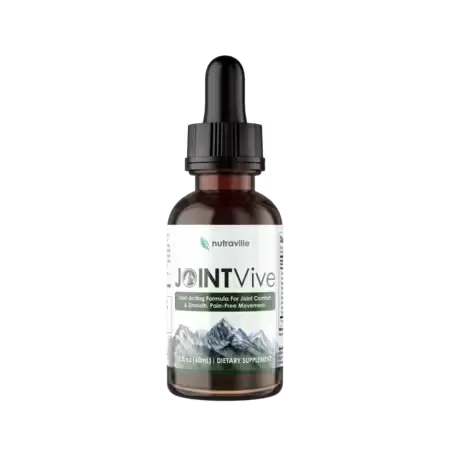
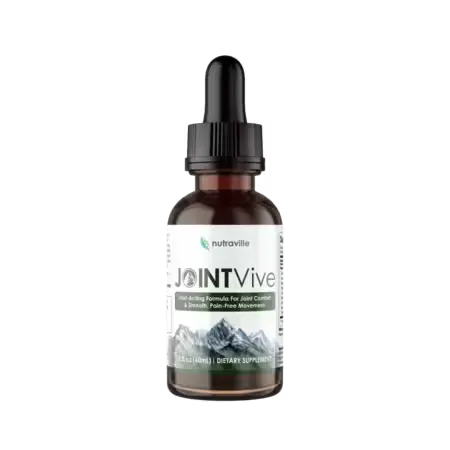
While Glucosamine, Chondroitin, and MSM form the core of many effective joint supplements, some formulations, like JointVive, also incorporate additional natural ingredients to enhance their benefits, targeting various aspects of joint health and overall well-being.
Glucosamine Sulfate
Role: Essential for building and repairing cartilage, promoting joint structure and function.
1500 mg daily
Chondroitin Sulfate
Role: Attracts fluid to cartilage, improving elasticity, shock absorption, and inhibiting cartilage-degrading enzymes.
800-1200 mg daily
MSM (Methylsulfonylmethane)
Role: Provides vital sulfur for connective tissue, reduces inflammation, and alleviates joint pain and stiffness.
1000-3000 mg daily
Pine Bark Extract
Role: Rich in antioxidants, it helps reduce oxidative stress and inflammation, supporting overall joint comfort and health.
50-100 mg daily
Bacopa Monnieri
Role: Known for its adaptogenic properties, it helps manage stress, which can indirectly impact pain perception and overall well-being.
150-300 mg daily
Ginkgo Biloba
Role: Improves blood circulation, which can enhance nutrient delivery to joints and aid in waste removal, supporting joint tissue health.
120-240 mg dailyWho Can Benefit from Glucosamine, Chondroitin, and MSM?
These supplements are primarily targeted at individuals experiencing joint discomfort, especially those related to cartilage degradation and inflammation.
Individuals with Osteoarthritis: This is the largest group that stands to benefit. GCM can help manage pain, reduce stiffness, and potentially slow the progression of cartilage breakdown, particularly in the knees, hips, and hands.
Athletes and Active Individuals: People who engage in high-impact sports or activities that put significant stress on their joints may use GCM as a proactive measure to support cartilage health and aid in recovery, potentially preventing future issues.
Older Adults: As we age, natural cartilage production declines, and joints become more susceptible to wear and tear. GCM can provide vital support for maintaining joint function and mobility in the elderly.
Those with Joint Pain or Stiffness: Even without a formal OA diagnosis, individuals experiencing general joint aches, stiffness, or decreased flexibility may find relief from GCM due to its anti-inflammatory and cartilage-supportive properties.
It's important to reiterate that while these supplements offer significant promise, they are not a cure for chronic joint conditions. They are best utilized as part of a comprehensive management plan that includes medical supervision, appropriate exercise, and a healthy lifestyle.
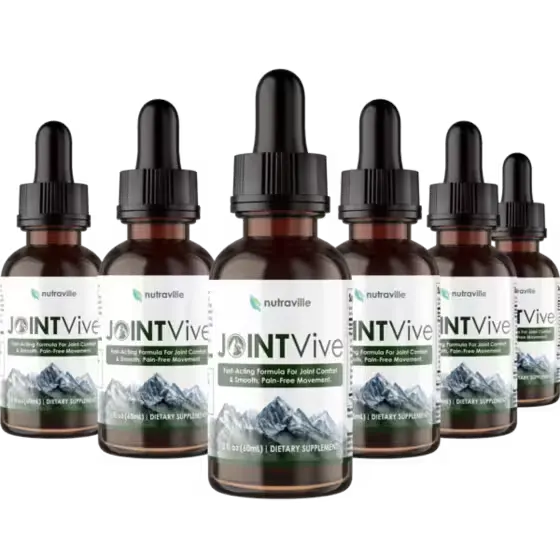
Unlock Your Joint Potential with JointVive
If you're seeking a comprehensive solution to support your joint health, JointVive offers a meticulously crafted formula designed to provide powerful, natural relief. Combining the clinically studied benefits of Glucosamine, Chondroitin, and MSM with other potent natural ingredients, JointVive aims to address the root causes of joint discomfort.
- ✓ Supports cartilage repair and regeneration
- ✓ Reduces joint pain and stiffness naturally
- ✓ Fights inflammation and oxidative stress
- ✓ Enhances joint flexibility and mobility
- ✓ Made with 100% natural, high-quality ingredients




Hear From Our Happy Customers
"After years of knee pain, I was skeptical, but JointVive truly made a difference. My morning stiffness is gone, and I can enjoy my walks again without constant discomfort. Highly recommend this natural blend!"
"I've tried many joint supplements over the years, but JointVive stands out. The combination of glucosamine, chondroitin, and MSM, plus the other ingredients, has significantly improved my hip mobility. I feel like I've got my active life back!"
"My hands were constantly aching, making everyday tasks difficult. Within a few weeks of taking JointVive, I noticed a remarkable reduction in pain and swelling. It's gentle on my stomach and truly effective. A game-changer!"
Frequently Asked Questions
What is Glucosamine and how does it help joints?
+Glucosamine is a natural compound found in healthy cartilage, the connective tissue that cushions your joints. It plays a crucial role in building and repairing cartilage, as well as contributing to the production of synovial fluid, which lubricates the joints. For individuals with osteoarthritis, glucosamine supplements are believed to help slow down cartilage degeneration, reduce pain, and improve joint function by providing the raw materials for cartilage synthesis.
What is Chondroitin and its role in cartilage?
+Chondroitin sulfate is a complex carbohydrate that is also a major component of cartilage. It helps maintain the structural integrity of cartilage by attracting water and nutrients into the tissue, which is essential for its elasticity and shock-absorbing properties. Chondroitin is thought to inhibit enzymes that break down cartilage, reduce inflammation, and stimulate cartilage repair mechanisms, working synergistically with glucosamine to support overall joint health.
How does MSM contribute to joint health?
+MSM, or Methylsulfonylmethane, is an organic sulfur compound naturally found in various foods and the human body. Sulfur is vital for the formation of connective tissues, including cartilage, ligaments, and tendons. MSM is recognized for its anti-inflammatory and analgesic properties, which can help reduce joint pain and stiffness, particularly in conditions like osteoarthritis. It also supports the production of collagen and keratin, essential proteins for healthy joints and skin.
What are the recommended dosages for Glucosamine, Chondroitin, and MSM?
+Standard recommended dosages, often based on clinical studies, are typically: Glucosamine Sulfate: 1500 mg per day (often divided into two or three doses). Chondroitin Sulfate: 800-1200 mg per day (also often divided). MSM: 1000-3000 mg per day. It's crucial to follow the specific dosage instructions on your chosen supplement and to consult with a healthcare professional, as individual needs and product formulations can vary. Consistency is key for optimal results.
Are there any side effects or interactions to be aware of when taking these supplements?
+Glucosamine, Chondroitin, and MSM are generally well-tolerated. Potential side effects are usually mild and may include digestive upset (nausea, diarrhea, constipation), headaches, or skin reactions. Individuals with shellfish allergies should be cautious with glucosamine derived from shellfish. It's important to discuss these supplements with your doctor, especially if you are pregnant, nursing, have a pre-existing medical condition (like diabetes or glaucoma), or are taking other medications, particularly blood thinners, as interactions can occur.
How long does it take to see results from GCM supplements for joint pain?
+The time it takes to experience noticeable improvements from Glucosamine, Chondroitin, and MSM can vary significantly among individuals. Many studies suggest that consistent use for at least 4 to 12 weeks is often required before observing significant relief from pain and stiffness or improvements in joint function. For some, it might take longer, up to several months. Patience and adherence to the recommended dosage are important for these supplements to exert their full therapeutic effects.
Related Articles