Are you tired of chronic joint pain and stiffness dictating your life?
Living with osteoarthritis or persistent joint inflammation can be incredibly challenging, affecting every aspect of your daily routine. While medication and physical therapy play crucial roles, a powerful, often overlooked tool in managing these conditions lies right in your kitchen: your diet.
Embracing an anti-inflammatory meal plan isn't just about what you eat; it's about transforming your body's internal environment to foster healing and reduce pain. This comprehensive guide will empower you to make informed food choices, providing a practical meal plan to help you reclaim comfort and support your joint health naturally.
Understanding Osteoarthritis and Chronic Joint Inflammation
Before diving into dietary solutions, it's crucial to understand the enemy: chronic inflammation and its role in osteoarthritis.
Osteoarthritis (OA), often called "wear-and-tear" arthritis, is the most common form of arthritis, affecting millions worldwide. It occurs when the protective cartilage that cushions the ends of your bones wears down over time. While traditionally viewed as a mechanical problem, research increasingly highlights the significant role of chronic, low-grade inflammation in both the initiation and progression of OA. This inflammation isn't just a symptom; it actively contributes to cartilage breakdown and joint damage.
When your body experiences inflammation, it's a natural protective response. However, when inflammation becomes chronic, it can turn destructive. In the context of joint health, inflammatory molecules and enzymes can directly attack joint tissues, leading to pain, swelling, stiffness, and reduced mobility. Factors such as genetics, age, obesity, and joint injuries can contribute to OA, but dietary choices can either fuel or quell this underlying inflammatory fire.
Recognizing the connection between diet and inflammation is the first step toward taking control of your joint health. By consistently choosing foods that possess anti-inflammatory properties, you can actively work to minimize the discomfort and progression associated with osteoarthritis and other inflammatory joint conditions. This proactive approach can lead to a significant improvement in your quality of life, reducing reliance on pain medication and fostering a more resilient body.
💡 Key Takeaway
Chronic inflammation is a significant driver of osteoarthritis and joint pain. An anti-inflammatory diet can directly combat this, offering a powerful, natural strategy to protect cartilage, reduce symptoms, and improve overall joint function.
The Power of an Anti-Inflammatory Diet for Joint Health
Your diet is more than just fuel; it's a powerful modulator of your body's inflammatory responses. By selecting the right foods, you can actively reduce inflammation and support joint repair.
Reduces Pain and Swelling
Many foods contain compounds that directly inhibit inflammatory pathways in the body, similar to how some medications work. By consuming these regularly, you can experience a noticeable reduction in joint pain and swelling, making daily activities more manageable.
Protects Cartilage
Chronic inflammation accelerates cartilage degradation. An anti-inflammatory diet provides antioxidants and other protective nutrients that shield joint tissues from damage, helping to preserve existing cartilage and potentially slow the progression of osteoarthritis.
Improves Mobility and Flexibility
Less inflammation means less stiffness. As joint pain and swelling subside, you'll likely experience improved range of motion and flexibility, allowing you to move more freely and engage in activities you enjoy without constant discomfort.
Supports Overall Health
The benefits extend beyond your joints. An anti-inflammatory diet is inherently nutrient-dense and supports heart health, brain function, gut health, and energy levels. It's a holistic approach to wellness that benefits your entire body.
Weight Management
Many anti-inflammatory foods are rich in fiber and nutrients, promoting satiety and healthy weight. Maintaining a healthy weight significantly reduces stress on weight-bearing joints like the knees and hips, further alleviating arthritis symptoms.
Key Anti-Inflammatory Foods to Embrace
Stock your pantry and fridge with these powerful inflammation-fighting ingredients.
Integrating a wide variety of these foods into your daily meals is paramount for maximizing their anti-inflammatory effects. The synergy of different nutrients working together often provides greater benefits than any single compound alone. For more detailed information on specific foods, consider reviewing our article on Foods to Reduce Joint Inflammation and Arthritis.
🐟 Omega-3 Rich Fatty Fish
Salmon, mackerel, sardines, and trout are superstars in the anti-inflammatory world. They are packed with eicosapentaenoic acid (EPA) and docosahexaenoic acid (DHA), two types of omega-3 fatty acids. These omega-3s are potent anti-inflammatory agents that can reduce the production of inflammatory chemicals in the body, decrease morning stiffness, and alleviate joint tenderness. Aim for at least two servings per week.
🍓 Colorful Fruits and Vegetables
Fruits and vegetables are rich in antioxidants, which combat free radicals that contribute to inflammation and joint damage.
- Berries (strawberries, blueberries, raspberries, blackberries): High in anthocyanins, powerful antioxidants.
- Leafy Greens (spinach, kale, collard greens): Excellent sources of vitamins K and C, and antioxidants like quercetin and kaempferol.
- Cruciferous Vegetables (broccoli, cauliflower, Brussels sprouts): Contain sulforaphane, a compound that blocks enzymes involved in joint destruction.
- Cherries: Particularly tart cherries, are known for their strong anti-inflammatory properties, especially beneficial for reducing gout flares.
🌿 Whole Grains
Unlike refined grains, whole grains retain their bran and germ, which are rich in fiber, vitamins, and minerals. Fiber helps reduce levels of C-reactive protein (CRP), a marker of inflammation in the blood. Opt for oats, brown rice, quinoa, whole wheat bread, and whole grain pasta over their refined counterparts.
🍒 Nuts and Seeds
Almonds, walnuts, chia seeds, and flaxseeds are excellent sources of healthy fats, fiber, and antioxidants. Walnuts and flaxseeds, in particular, provide alpha-linolenic acid (ALA), another type of omega-3 fatty acid. These can help lower cholesterol and reduce inflammation. Just be mindful of portion sizes due to their caloric density.
🌼 Herbs and Spices
Certain herbs and spices are renowned for their medicinal properties.
- Turmeric: Contains curcumin, a potent anti-inflammatory compound that has been extensively studied for its effects on arthritis.
- Ginger: Possesses anti-inflammatory and pain-relieving effects, often used in traditional medicine for joint pain.
- Garlic and Onions: Contain sulfur compounds that can help reduce inflammation and boost immunity.
🍁 Olive Oil
Extra virgin olive oil (EVOO) is a cornerstone of the Mediterranean diet and a powerful anti-inflammatory food. It contains oleocanthal, a compound that acts similarly to ibuprofen in reducing inflammation. Use it for cooking, salad dressings, and dipping.

Foods to Limit or Avoid for Optimal Joint Health
Just as important as knowing what to eat is understanding what to reduce or eliminate from your diet to prevent inflammation.
Processed Foods & Sugary Drinks
Foods high in refined sugars, high-fructose corn syrup, and artificial additives can trigger a systemic inflammatory response. This includes sodas, candies, pastries, and many packaged snacks. Sugar, in particular, is a major culprit in promoting inflammation.
Red and Processed Meats
Red meats (beef, lamb, pork) and processed meats (bacon, sausages, deli meats) are often high in saturated fat and can contain compounds that contribute to inflammation. Limiting their intake and opting for lean protein sources like fish, chicken, or plant-based proteins is advisable.
Refined Carbohydrates
White bread, white rice, pasta made from refined flour, and many breakfast cereals are rapidly digested, leading to spikes in blood sugar and insulin. This process can promote inflammation throughout the body, including in your joints.
Excessive Alcohol
While moderate consumption of certain alcohols (like red wine) might have some antioxidant benefits, excessive alcohol intake can increase inflammatory markers and negatively impact liver function, which is crucial for detoxification and overall health.
Trans Fats and Hydrogenated Oils
Found in fried foods, fast food, and many commercially baked goods, trans fats (partially hydrogenated oils) are highly inflammatory. They can raise bad cholesterol and contribute to systemic inflammation, worsening joint pain.
Certain Dairy Products (for some)
For some individuals, dairy products can be inflammatory due to lactose intolerance or certain proteins. If you notice an increase in joint pain after consuming dairy, consider exploring dairy-free alternatives like almond, oat, or soy milk.
Sample Anti-Inflammatory Meal Plan for Arthritis
Here’s a practical, week-long meal plan designed to incorporate anti-inflammatory foods into your daily routine. Feel free to mix and match to suit your preferences!
Monday
- Breakfast: Oatmeal with berries, flaxseeds, and a sprinkle of cinnamon.
- Lunch: Large spinach salad with grilled salmon, walnuts, bell peppers, and an olive oil-lemon dressing.
- Dinner: Turmeric-spiced lentil soup with a side of whole-grain bread.
- Snack: Apple slices with almond butter.
Tuesday
- Breakfast: Green smoothie (kale, spinach, banana, chia seeds, almond milk).
- Lunch: Leftover lentil soup.
- Dinner: Baked cod with roasted broccoli and quinoa.
- Snack: Handful of almonds.
Wednesday
- Breakfast: Scrambled eggs with sautéed spinach and mushrooms, whole-wheat toast.
- Lunch: Turkey and avocado wrap on a whole-wheat tortilla with plenty of mixed greens.
- Dinner: Chicken stir-fry with a variety of colorful vegetables (broccoli, carrots, bell peppers) and brown rice, using ginger and garlic.
- Snack: Greek yogurt (if tolerated) with a few berries.
Thursday
- Breakfast: Chia seed pudding made with almond milk, topped with mango and shredded coconut.
- Lunch: Leftover chicken stir-fry.
- Dinner: Vegetarian chili with black beans, kidney beans, tomatoes, and various spices, served with a small amount of avocado.
- Snack: Orange.
Friday
- Breakfast: Whole-grain toast with mashed avocado and a sprinkle of chili flakes.
- Lunch: Large mixed green salad with chickpeas, cucumber, tomatoes, and an olive oil vinaigrette.
- Dinner: Pan-seared salmon with a side of asparagus and sweet potato.
- Snack: Small bowl of mixed berries.
Saturday
- Breakfast: Berry smoothie bowl topped with granola (low sugar) and flaxseeds.
- Lunch: Leftover salmon and veggies.
- Dinner: Homemade whole-wheat pizza with plenty of vegetable toppings (spinach, bell peppers, onions) and light cheese (if tolerated).
- Snack: Hard-boiled egg.
Sunday
- Breakfast: Whole-grain pancakes with fresh fruit and a drizzle of maple syrup (in moderation).
- Lunch: Large bowl of minestrone soup, rich in vegetables and beans.
- Dinner: Roasted chicken breast with a medley of root vegetables (carrots, parsnips) and kale.
- Snack: Handful of walnuts.
Remember to stay hydrated throughout the day by drinking plenty of water. This meal plan is a template; feel free to adapt it based on your dietary needs, allergies, and preferences. The goal is consistency in choosing whole, unprocessed, anti-inflammatory foods.
Beyond Diet: Holistic Approaches to Joint Health
While diet is foundational, a truly holistic approach to managing osteoarthritis and joint inflammation involves several other key lifestyle factors.
🏃 Regular, Low-Impact Exercise
Engaging in activities like swimming, cycling, walking, or yoga can significantly improve joint flexibility, strengthen the muscles supporting your joints, and reduce pain. Exercise also helps maintain a healthy weight, which lessens the load on your joints. Even short bursts of activity can make a difference. Always consult your doctor or a physical therapist before starting a new exercise regimen.
💤 Quality Sleep
Adequate sleep is vital for your body's repair processes. During sleep, your body produces cytokines, proteins that help fight inflammation. Lack of sleep can disrupt this process, leading to increased inflammation and heightened pain sensitivity. Aim for 7-9 hours of quality sleep per night.
💪 Stress Management
Chronic stress can exacerbate inflammation and pain. Incorporating stress-reducing techniques such as meditation, deep breathing exercises, mindfulness, or spending time in nature can be incredibly beneficial. Finding healthy ways to manage stress is crucial for both mental and physical well-being, including joint health.
💊 The Role of Targeted Supplementation
Even with the best diet, sometimes your body needs an extra boost of specific nutrients to combat inflammation and support joint repair. This is where high-quality, natural supplements can play a complementary role. While not a replacement for a healthy diet, certain ingredients have been shown to offer significant benefits for joint health. Our article on Glucosamine, Chondroitin, and MSM for Joints: The Science delves into some well-known compounds.
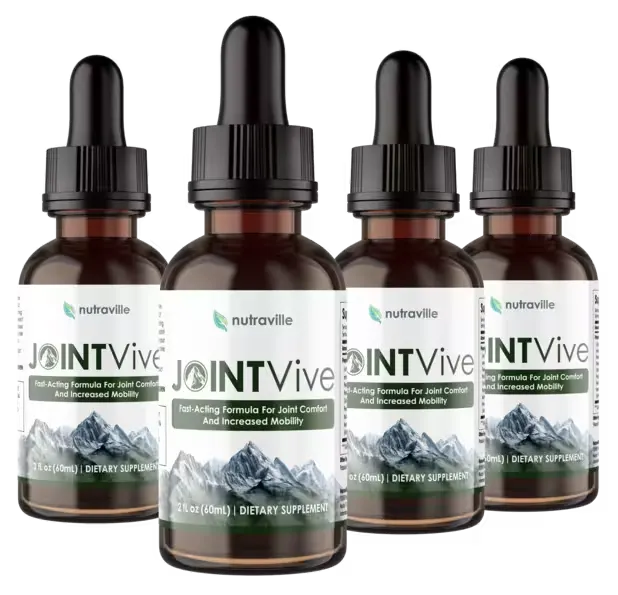
For those seeking a comprehensive, natural approach, products like JointVive are formulated with a blend of potent botanicals and compounds specifically chosen for their anti-inflammatory, antioxidant, and neuroprotective properties, all of which can indirectly support joint health by addressing systemic inflammation and oxidative stress.
JointVive's Natural Ingredients for Comprehensive Support
JointVive is designed to complement your anti-inflammatory diet, offering a blend of natural ingredients that target inflammation and oxidative stress, crucial factors in joint degradation.

Bacopa Monnieri
Role: Known for its adaptogenic properties, Bacopa helps the body manage stress and has potent antioxidant and anti-inflammatory effects that can protect cells, including those in joints, from oxidative damage.
Typical Dose: 300-450 mg extract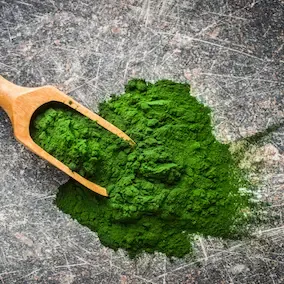
Chlorella
Role: This nutrient-dense algae is a powerhouse of vitamins, minerals, and antioxidants. It supports detoxification and has been shown to reduce inflammatory markers, contributing to overall cellular health and resilience.
Typical Dose: 3-5 grams daily
Ginkgo Biloba
Role: Renowned for its ability to improve circulation and act as a strong antioxidant. Better blood flow can aid in nutrient delivery to joints and waste removal, while its antioxidant action combats inflammatory free radicals.
Typical Dose: 120-240 mg extract
Lion's Mane Mushroom
Role: An adaptogenic mushroom with significant anti-inflammatory and neuroprotective properties. It can help reduce systemic inflammation and support nerve health, which can be beneficial in managing chronic pain signals.
Typical Dose: 1-3 grams daily
Moringa Oleifera
Role: Often called the "miracle tree," Moringa is packed with vitamins, minerals, and powerful antioxidants and anti-inflammatory compounds like quercetin and chlorogenic acid, which can help soothe inflammatory responses in the body.
Typical Dose: 1-6 grams daily
Pine Bark Extract (Pycnogenol)
Role: A potent antioxidant complex that helps protect collagen and elastin from degradation. It can significantly reduce inflammatory markers and improve blood flow, offering protective benefits for joint tissues and reducing swelling.
Typical Dose: 50-100 mg daily
Spirulina
Role: Another highly nutritious algae, Spirulina is rich in phycocyanin, a pigment with strong antioxidant and anti-inflammatory effects. It can help modulate immune responses and reduce the production of pro-inflammatory molecules.
Typical Dose: 1-8 grams daily
Tamarind Seed Extract
Role: Contains compounds known to support joint health by inhibiting enzymes that degrade cartilage and by reducing inflammatory pathways. It is often studied for its potential in managing osteoarthritis symptoms.
Typical Dose: 250-500 mg daily
Experience the Difference with JointVive
While diet forms the bedrock of joint health, JointVive offers a powerful, natural boost to help you manage inflammation and discomfort. Formulated with a synergistic blend of clinically studied ingredients, JointVive supports your body's natural ability to heal and maintain healthy joints.
- ✓ Supports healthy inflammatory responses
- ✓ Promotes joint comfort and flexibility
- ✓ Protects against oxidative stress and damage
- ✓ Formulated with 100% natural, plant-based ingredients
- ✓ Made in the USA in GMP-certified facilities




What Our Customers Are Saying
"I've been dealing with knee pain for years, making simple walks difficult. After a few weeks of JointVive, combined with dietary changes, I feel a noticeable difference. Less stiffness and more comfort!"
"My hands used to ache constantly, especially in the mornings. JointVive was recommended to me, and I'm so glad I tried it. The ingredients are all natural, and my joints feel much calmer now. Highly recommend!"
"I was skeptical at first, but the improvement in my hip discomfort is undeniable. I paired JointVive with a cleaner diet, and the results have been fantastic. It's truly helped me get back to my gardening."
Frequently Asked Questions
What is an anti-inflammatory diet and how does it help arthritis?
+An anti-inflammatory diet focuses on foods that reduce chronic inflammation in the body. For arthritis, particularly osteoarthritis, this means consuming foods rich in antioxidants and omega-3 fatty acids, which can help alleviate joint pain, stiffness, and swelling by targeting the underlying inflammatory processes that contribute to cartilage degradation.
Which foods should I prioritize in an anti-inflammatory meal plan?
+Prioritize foods like fatty fish (salmon, mackerel), colorful fruits (berries, cherries), leafy green vegetables (spinach, kale), nuts and seeds (walnuts, flaxseeds), olive oil, and anti-inflammatory spices (turmeric, ginger). These foods are packed with compounds that actively combat inflammation and support overall joint health.
Are there specific foods I should avoid or limit if I have arthritis?
+Yes, it's generally recommended to limit or avoid processed foods, sugary drinks, refined carbohydrates (white bread, pasta), red and processed meats, trans fats, and excessive alcohol. These items can promote inflammation and potentially worsen arthritis symptoms. Focusing on whole, unprocessed foods is key.
How quickly can I expect to see results from an anti-inflammatory diet for joint pain?
+The timeline for seeing results can vary widely among individuals. Some people may notice improvements in a few weeks, while for others, it might take a few months of consistent adherence to the diet. It's a long-term lifestyle change, not a quick fix, and results are often cumulative. Consulting a healthcare professional can help manage expectations.
Can supplements like JointVive enhance the benefits of an anti-inflammatory diet?
+While a healthy diet is foundational, natural supplements like JointVive can complement an anti-inflammatory meal plan by providing concentrated doses of ingredients known for their anti-inflammatory, antioxidant, and joint-supportive properties. Ingredients like Bacopa, Chlorella, and Ginkgo Biloba found in JointVive are studied for their potential to reduce oxidative stress and inflammation, working synergistically with dietary changes to support joint health.
Is this meal plan suitable for all types of arthritis?
+This anti-inflammatory meal plan is broadly beneficial for reducing inflammation, which is a component of many types of arthritis, including osteoarthritis and rheumatoid arthritis. However, individual dietary needs can vary based on the specific type of arthritis, severity, and any co-existing conditions. Always consult with a doctor or registered dietitian to tailor a plan that is best suited for your specific health situation.
Related Articles