Are you struggling with the stiffness and pain of osteoarthritis, wishing for a way to move more freely?
Osteoarthritis (OA) is a challenging condition that affects millions, often leading to reduced mobility and a significant impact on daily life. The thought of exercise can seem daunting when every movement brings discomfort, but the truth is, movement is medicine when it comes to managing OA.
This comprehensive guide will walk you through a series of safe and effective physical therapy exercises for osteoarthritis that you can easily perform at home, designed to alleviate pain, improve flexibility, and strengthen the muscles supporting your joints. Discover how consistent, gentle movement can be your most powerful ally in reclaiming your joint health and vitality.
Understanding Osteoarthritis: More Than Just "Wear and Tear"
Before diving into exercises, it's crucial to understand what osteoarthritis is and how it affects your joints. This knowledge empowers you to approach your home physical therapy with greater intention and efficacy.
Osteoarthritis, often referred to as "wear and tear" arthritis, is actually a complex disease involving the entire joint. It's characterized by the breakdown of cartilage – the slippery tissue that covers the ends of bones in a joint, allowing them to glide smoothly over each other. When cartilage deteriorates, bones can rub directly, causing pain, stiffness, and inflammation. However, OA is not just about cartilage; it also affects the underlying bone, ligaments, and the lining of the joint (synovium), leading to a range of symptoms from mild discomfort to severe, debilitating pain and reduced joint function.
Commonly affected joints include the knees, hips, hands, spine, and feet. While OA is more prevalent with age, it's not an inevitable part of aging. Factors like genetics, joint injuries, obesity, and repetitive joint stress can all contribute to its development. The chronic inflammation associated with OA can also exacerbate pain and further damage joint tissues, creating a cycle of discomfort and reduced activity. Breaking this cycle through targeted movement and supportive care is key to managing the condition effectively and improving your quality of life.
💡 Key Takeaway
Osteoarthritis is a progressive joint disease involving cartilage breakdown and inflammation, leading to pain and stiffness. Understanding its multifaceted nature is the first step towards effective management through physical activity and holistic approaches.
The Indispensable Role of Exercise in Managing OA Symptoms
It might seem counterintuitive to exercise a painful joint, but numerous studies and clinical experiences confirm that regular, appropriate physical activity is one of the most effective non-pharmacological treatments for osteoarthritis. It's not about "running through the pain," but rather engaging in smart, gentle movements that support joint health.
Reduces Pain and Stiffness
Consistent movement helps lubricate the joints by stimulating the production of synovial fluid, which acts like oil for your joints. This lubrication can significantly reduce friction, leading to less pain and stiffness. Furthermore, exercise can help desensitize pain pathways over time.
Improves Joint Flexibility and Range of Motion
When joints are stiff, their range of motion decreases. Regular gentle stretching and movement exercises help maintain and even improve the flexibility of the joint capsule and surrounding tissues, allowing for a greater, more comfortable range of movement.
Strengthens Supporting Muscles
Strong muscles around a joint act as natural shock absorbers and provide crucial support, reducing the load on the joint itself. For example, strong quadriceps can protect the knee joint from excessive stress, which is vital in managing knee OA.
Aids in Weight Management
Excess body weight places additional stress on weight-bearing joints like the knees and hips, accelerating cartilage wear. Exercise burns calories and helps maintain a healthy weight, which can significantly slow the progression of OA and reduce symptoms.
Boosts Mood and Quality of Life
Living with chronic pain can take a toll on mental health. Exercise releases endorphins, natural mood elevators, and provides a sense of accomplishment. Improved physical function also translates to greater independence and participation in daily activities, enhancing overall quality of life.

Preparing for Your At-Home OA Exercise Routine
Before you jump into any exercise program, especially with osteoarthritis, a few preparatory steps are essential to ensure safety and maximize effectiveness. Remember, your health is paramount.
Consult Your Doctor First: This is perhaps the most critical step. Before starting any new exercise regimen, especially if you have a chronic condition like OA, it is imperative to consult your doctor or a physical therapist. They can assess your specific condition, identify any limitations, and provide personalized recommendations. They can also rule out other conditions that might mimic OA symptoms and ensure that the exercises you plan to do are safe and appropriate for your individual joint health. Your medical professional can help you understand what level of activity is safe and what to avoid.
Listen to Your Body: This principle cannot be overstated when exercising with OA. Pain is your body's signal that something is wrong. While some mild discomfort or muscle fatigue is normal when starting a new exercise, sharp pain, increased swelling, or pain that persists for more than an hour after exercise indicates you may be overdoing it or using incorrect form. Always modify or stop an exercise if it causes significant pain. The goal is to move, not to push through pain.
Warm-Up: A proper warm-up prepares your muscles and joints for activity, increasing blood flow and flexibility. Spend 5-10 minutes on light aerobic activity like marching in place, gentle arm circles, or slow knee bends. This helps to reduce stiffness and prevent injury. Never start a strenuous exercise without adequately warming up your body.
Cool-Down and Stretch: After your main exercise session, dedicate 5-10 minutes to cooling down. This involves slowing down your movements and performing gentle static stretches, holding each stretch for 20-30 seconds. Cooling down helps to gradually bring your heart rate down, reduce muscle soreness, and improve flexibility. Stretching after your muscles are warm is far more effective and safer.
Choose the Right Environment and Equipment: A safe, clutter-free space with good lighting is crucial for home exercises. You might need a sturdy chair, a yoga mat for floor exercises, light hand weights or resistance bands, and comfortable, supportive footwear. Ensure your chosen area allows for full range of motion without obstruction.
Essential At-Home Exercises for Osteoarthritis Relief
A well-rounded home exercise program for osteoarthritis typically includes three main types of activities: range of motion, strengthening, and aerobic exercises. Balance exercises are also highly beneficial, especially for preventing falls.
Range of Motion (ROM) Exercises
These exercises help move your joints through their full, comfortable range, reducing stiffness and improving flexibility. Perform these daily, especially in the morning when stiffness is often at its worst. Aim for 5-10 repetitions for each movement.
Strengthening Exercises
Building muscle strength around your joints provides support and stability, reducing stress on cartilage. Start with bodyweight exercises and gradually add light resistance. Aim for 2-3 times a week, allowing for rest days in between.
Aerobic/Endurance Exercises
These activities strengthen your heart and lungs, improve stamina, help with weight management, and boost overall energy. Focus on low-impact options to protect your joints. Aim for 150 minutes of moderate-intensity activity per week.
Balance Exercises
Improving your balance can prevent falls, which are a significant concern for individuals with OA, especially in the lower body. Incorporate these 2-3 times a week, ensuring you have a sturdy support nearby.
Detailed Guide to At-Home Exercises for Specific Joints
Here, we'll break down specific exercises tailored for common OA-affected joints, allowing you to create a personalized routine that addresses your unique needs. Remember to always prioritize proper form over quantity.
Knee Osteoarthritis Exercises
The knees are one of the most commonly affected joints. Strengthening the muscles around them can significantly reduce pain and improve stability.
- Knee Extensions (Seated): Sit on a chair with your feet flat on the floor. Slowly straighten one leg, lifting your foot until your leg is parallel to the floor, engaging your quadriceps. Hold for 5 seconds, then slowly lower. Repeat 10-15 times per leg.
- Hamstring Curls (Standing or Prone):
- Standing: Hold onto a chair for balance. Slowly bend one knee, bringing your heel towards your glutes. Keep your thighs aligned. Lower slowly. Repeat 10-15 times per leg.
- Prone: Lie on your stomach. Bend one knee, bringing your heel towards your glutes. Lower slowly. Repeat.
- Wall Slides: Stand with your back against a wall, feet shoulder-width apart, about 6 inches from the wall. Slowly slide down the wall, bending your knees as if sitting in a chair, but only go as far as comfortable (no more than a 45-degree bend). Hold for a few seconds, then slowly slide back up. Repeat 8-12 times.
- Calf Raises: Stand holding onto a chair for support. Slowly raise yourself up onto the balls of your feet, lifting your heels. Hold for a few seconds, then slowly lower. Repeat 10-15 times.
Hip Osteoarthritis Exercises
Maintaining hip mobility and strength is crucial for walking, standing, and overall lower body function.
- Hip Flexion (Supine): Lie on your back with knees bent, feet flat. Slowly bring one knee towards your chest, using your hands to gently pull it closer if comfortable. Hold for 20-30 seconds. Repeat 3-5 times per leg.
- Hip Abduction (Side-Lying): Lie on your side with legs straight. Slowly lift your top leg straight up towards the ceiling, keeping your knee straight and foot flexed. Avoid rotating your hip. Lower slowly. Repeat 10-15 times per leg.
- Glute Bridges: Lie on your back with knees bent, feet flat on the floor, hip-width apart. Engage your glutes and lift your hips off the floor until your body forms a straight line from shoulders to knees. Hold for 5 seconds, then slowly lower. Repeat 10-15 times.
- Standing Hip Extension: Hold onto a sturdy chair for support. Slowly extend one leg straight back behind you, keeping your leg straight and engaging your glutes. Do not arch your back. Lower slowly. Repeat 10-15 times per leg.
Hand and Finger Osteoarthritis Exercises
These small, precise movements can help maintain dexterity and reduce stiffness in the hands and fingers.
- Finger Bends: Gently bend each finger one at a time, curling it towards your palm. Then straighten. Repeat for all fingers.
- Thumb Bends: Touch your thumb to the base of each finger, then across your palm.
- Fist to Fan: Make a loose fist, then slowly open your hand, fanning your fingers wide. Repeat 10 times.
- Wrist Circles: Gently rotate your wrists clockwise and counter-clockwise 5-10 times in each direction.
Spine (Lower Back) Osteoarthritis Exercises
Gentle movements and core strengthening can help alleviate back pain associated with spinal OA.
- Pelvic Tilts: Lie on your back with knees bent, feet flat. Flatten your lower back against the floor by tightening your abdominal muscles and tilting your pelvis up slightly. Hold for a few seconds, then relax. Repeat 10-15 times.
- Knee-to-Chest Stretch: Lie on your back with knees bent, feet flat. Gently pull one knee towards your chest, holding behind your thigh. Hold for 20-30 seconds. Repeat with the other leg, then both knees together.
- Cat-Cow Stretch: Start on your hands and knees. Inhale as you arch your back, dropping your belly towards the floor (Cow). Exhale as you round your spine towards the ceiling, tucking your chin (Cat). Repeat 5-10 times.
Shoulder Osteoarthritis Exercises
Improving shoulder mobility is key for daily tasks like reaching and lifting.
- Pendulum Swings: Lean forward, supporting yourself with one hand on a table. Let the affected arm hang freely. Gently swing it forward and backward, side to side, and in small circles (clockwise and counter-clockwise). Perform 10-20 swings in each direction.
- Wall Crawls: Stand facing a wall, about an arm's length away. Place your fingertips on the wall and slowly "crawl" your fingers up the wall as high as comfortable. Hold briefly, then slowly crawl back down.
- Shoulder Blade Squeezes: Sit or stand tall. Gently squeeze your shoulder blades together, as if trying to hold a pencil between them. Hold for 5 seconds, then relax. Repeat 10-15 times.
For more detailed descriptions and visual guides on low-impact exercises, you might find our article on low-impact exercises for joint pain relief particularly helpful. Remember to perform all exercises slowly and deliberately, focusing on controlled movements rather than speed.
💡 Key Takeaway
A balanced home exercise program for OA should include range of motion, strengthening, and low-impact aerobic activities, tailored to specific affected joints. Consistency and listening to your body are paramount for success and pain reduction.
Integrating Aerobic and Balance Training into Your Routine
Beyond targeted joint exercises, incorporating gentle aerobic activity and balance training is crucial for overall health and preventing common issues associated with osteoarthritis.
Low-Impact Aerobic Activities
These activities elevate your heart rate without putting excessive stress on your joints. They improve cardiovascular health, stamina, and can help with weight management, which directly reduces load on weight-bearing joints. Examples include brisk walking, swimming, water aerobics, cycling (stationary or outdoor on flat terrain), and elliptical training. Aim for at least 150 minutes of moderate-intensity aerobic activity per week, broken into shorter 10-15 minute sessions if needed.
Balance Training for Fall Prevention
Individuals with OA, especially in the lower extremities, may experience impaired balance due to pain, stiffness, and muscle weakness. Improved balance can significantly reduce the risk of falls, which are a significant concern for individuals with OA. Incorporate balance exercises 2-3 times per week.
- Single-Leg Stand: Hold onto a sturdy support (like a counter or chair back). Lift one foot slightly off the floor and try to balance on the other leg. Start with 10-15 seconds, gradually increasing to 30 seconds. Repeat 3-5 times per leg.
- Heel-to-Toe Walk: Place the heel of one foot directly in front of the toes of the other foot, as if walking on a tightrope. Take 10-20 steps forward, using a wall or counter for light support if needed.
Mind-Body Practices for Joint Awareness
Activities like Tai Chi and Yoga can be incredibly beneficial for OA. They combine gentle movements, stretching, balance, and mindfulness. Tai Chi, in particular, has been shown to improve balance, reduce pain, and enhance overall physical function in people with OA. Look for beginner-friendly classes or online tutorials specifically designed for individuals with joint limitations.
Common Mistakes to Avoid and Safety Tips for Home Exercises
While exercising at home offers convenience, it also requires self-awareness and discipline to avoid pitfalls. Be mindful of these common errors and safety precautions.
Overdoing It Too Soon: One of the most frequent mistakes is trying to do too much, too fast. This can lead to increased pain, inflammation, and discouragement. Start with a low number of repetitions and sets, and gradually increase as your strength and comfort improve. Progression should be slow and steady, not rushed.
Ignoring Pain Signals: As mentioned, distinguish between mild muscle fatigue and sharp, persistent joint pain. Pushing through pain can exacerbate joint damage and inflammation. Always modify or stop an exercise if it causes significant discomfort. Your body is communicating with you; listen to it.
Incorrect Form: Without a physical therapist's direct supervision, it's easy to develop poor form, which can be ineffective at best and harmful at worst. Watch videos, use mirrors, and focus on slow, controlled movements. If you're unsure about proper technique, consider a consultation with a physical therapist for guidance, even if it's just a few sessions to learn the basics.
Lack of Consistency: Results from exercise for OA are cumulative. Sporadic exercise will yield minimal benefits. Aim for regularity, even if it means shorter sessions. Consistency is far more important than intensity.
Not Varying Your Routine: Doing the same exercises every day can lead to plateaus and boredom. Introduce variety by alternating between different types of exercises (ROM, strengthening, aerobic) or trying new variations of familiar movements. This keeps your muscles challenged and your mind engaged.
Safety Precautions:
- Clear Your Space: Ensure your exercise area is free from clutter, rugs, or anything you could trip over.
- Wear Appropriate Footwear: Supportive, non-slip shoes are essential, especially for standing and balance exercises.
- Stay Hydrated: Drink water before, during, and after exercise.
- Use Sturdy Support: For balance exercises or if you feel unsteady, always have a chair, wall, or counter nearby to hold onto.
- Know Your Limits: Don't compare yourself to others. Your journey is unique.
- Consider Assistive Devices: If needed, use walking aids like canes or walkers, especially during aerobic activities, to reduce joint strain and improve stability.
Beyond Exercise: A Holistic Approach to Managing Osteoarthritis
While physical therapy exercises are foundational, a truly effective OA management strategy incorporates several other lifestyle factors. A holistic approach addresses the body's interconnected systems to provide comprehensive support for joint health and overall well-being.
Nutrition for Joint Health: What you eat plays a significant role in managing inflammation and supporting joint tissues. Focus on an anti-inflammatory diet rich in fruits, vegetables, whole grains, lean proteins, and healthy fats (like omega-3s found in fish, flaxseeds, and walnuts). Limit processed foods, refined sugars, and unhealthy trans fats, which can promote inflammation. Specific nutrients like Vitamin D, Calcium, and antioxidants are also vital for bone and cartilage health.
Weight Management: As discussed, maintaining a healthy weight is paramount for reducing stress on weight-bearing joints. Even a modest weight loss can lead to significant improvements in pain and function. Combine your exercise routine with a balanced diet to achieve and maintain an optimal body mass index (BMI).
Stress Reduction: Chronic stress can exacerbate pain perception and inflammation. Incorporate stress-reducing techniques into your daily routine, such as mindfulness meditation, deep breathing exercises, gentle yoga, spending time in nature, or engaging in hobbies you enjoy. Adequate sleep is also a critical component of stress management and allows your body to repair and rejuvenate.
The Role of Supportive Supplements: While supplements are not a cure or a replacement for medical treatment and exercise, certain natural compounds have shown promise in supporting joint health and comfort. Ingredients like Glucosamine, Chondroitin, MSM, Turmeric, and Boswellia are widely studied for their potential anti-inflammatory and cartilage-protective properties. When considering supplements, look for reputable brands that use high-quality, clinically backed ingredients.
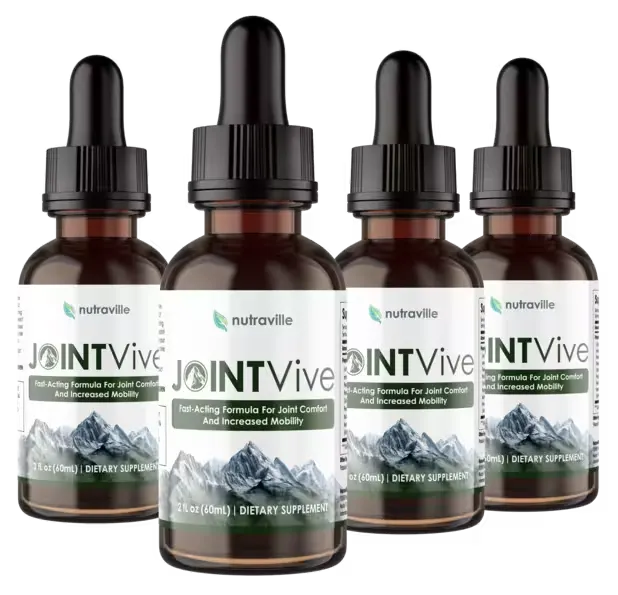
For those looking for a natural adjunct to their exercise regimen, JointVive is a supplement formulated with a blend of ingredients known for their potential to support joint health. These ingredients work synergistically to address various aspects of joint comfort and function. Below are some of the key ingredients found in JointVive and their potential benefits:

Bacopa Monnieri
Role: Known for its adaptogenic properties, Bacopa may help the body manage stress and inflammation, indirectly supporting overall comfort and well-being, which is crucial for those dealing with chronic conditions like OA.
Typical Dose: 300-450mg extract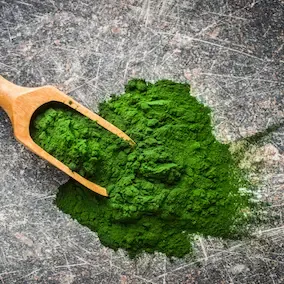
Chlorella
Role: This green superfood is packed with nutrients and may support the body's natural detoxification processes and immune function, which can be beneficial in reducing systemic inflammation and promoting cellular health.
Typical Dose: 2-3g powder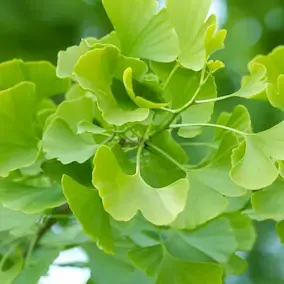
Ginkgo Biloba
Role: Primarily known for improving circulation and cognitive function, Ginkgo's antioxidant properties may also contribute to reducing oxidative stress in joints, supporting healthy tissue function.
Typical Dose: 120-240mg extract
Lion's Mane Mushroom
Role: This medicinal mushroom is celebrated for its neuroprotective properties, but its potential to modulate immune responses could also indirectly support the body's inflammatory balance, contributing to joint comfort.
Typical Dose: 500-1000mg extract
Moringa
Role: Often called the "miracle tree," Moringa is rich in vitamins, minerals, and antioxidants. Its potent anti-inflammatory compounds may help reduce joint swelling and pain, offering broad-spectrum nutritional support.
Typical Dose: 1-6g powder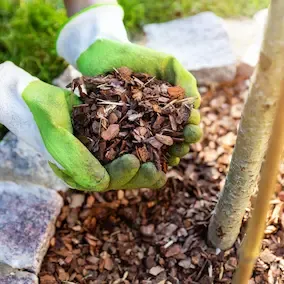
Pine Bark Extract
Role: A powerful antioxidant, Pine Bark Extract (often standardized to proanthocyanidins) can help protect joint tissues from damage caused by free radicals and may reduce inflammation, contributing to pain relief and improved mobility.
Typical Dose: 50-100mg extract
Spirulina
Role: Another nutrient-dense algae, Spirulina offers a wealth of proteins, vitamins, and minerals. Its anti-inflammatory and antioxidant effects can help mitigate joint pain and support overall cellular health and repair.
Typical Dose: 1-8g powder
Tamarind
Role: Recent research suggests that extracts from Tamarind seeds may possess anti-inflammatory and chondroprotective properties, potentially helping to preserve cartilage and reduce joint discomfort in OA.
Typical Dose: 250-500mg extractRemember, supplements should always be discussed with your healthcare provider to ensure they are appropriate for your individual health needs and do not interact with any medications you are taking. They are intended to complement, not replace, a healthy lifestyle and prescribed medical treatments. For a deeper dive into the science behind these ingredients, refer to our article on JointVive Ingredients: Science and Clinical Evidence.

Ready to Experience Enhanced Joint Comfort and Mobility?
Take the next step in your joint health journey. JointVive offers a unique blend of natural ingredients designed to complement your active lifestyle and support healthy joint function. Don't let osteoarthritis limit your life any longer.
- ✓ Supports natural anti-inflammatory responses
- ✓ Promotes joint flexibility and comfort
- ✓ Formulated with clinically studied ingredients
- ✓ Made in USA in a GMP certified facility
- ✓ Backed by a 60-Day Money-Back Guarantee




What Our Customers Say About JointVive
"I've been doing my exercises for knee OA for years, but JointVive added that extra comfort I needed. Less stiffness in the mornings and I can walk further without discomfort. Highly recommend combining it with your PT!"
"My physical therapist recommended I look into natural supplements to support my hip health. After two months on JointVive, alongside my regular home exercises, I've noticed a significant improvement in my hip's range of motion and much less grinding."
"I was skeptical, but JointVive really helped calm down the inflammation in my hands. Combined with my daily finger exercises, I can now knit again without the constant ache. It's truly been a game-changer for my daily comfort."
Frequently Asked Questions
What are the best exercises for osteoarthritis at home?
+The best exercises combine range of motion (like gentle stretches), strengthening (using bodyweight or light resistance bands), and low-impact aerobic activities (such as walking or cycling). Focus on movements that don't cause sharp pain.
How often should I do physical therapy exercises for OA?
+Aim for consistency. Range of motion and strengthening exercises can be done 3-5 times a week, while low-impact aerobic activities are beneficial most days of the week, for at least 30 minutes. Always listen to your body and adjust as needed.
Can exercise make osteoarthritis worse?
+No, when done correctly, exercise can significantly improve OA symptoms. However, overdoing it or using incorrect form can exacerbate pain. It's crucial to start slowly, use proper technique, and consult a healthcare professional if you're unsure.
What kind of pain is normal during OA exercises?
+Some mild discomfort or muscle fatigue is normal, especially when starting a new routine. However, sharp, stabbing, or increasing pain that lasts for more than an hour after exercise is a sign to stop and reassess, potentially with a doctor or physical therapist.
Are there any supplements that can help support joint health alongside exercise?
+While not a replacement for exercise, certain natural ingredients found in supplements like JointVive, such as Bacopa, Chlorella, and Ginkgo Biloba, are studied for their potential to support joint comfort and flexibility. Always discuss supplements with your doctor.
How can I stay motivated to exercise at home with osteoarthritis?
+Set realistic goals, find an exercise buddy or online community, track your progress, vary your routine to prevent boredom, and reward yourself for consistency. Focusing on the long-term benefits for your quality of life can also be a powerful motivator.
Related Articles to Support Your Joint Health Journey