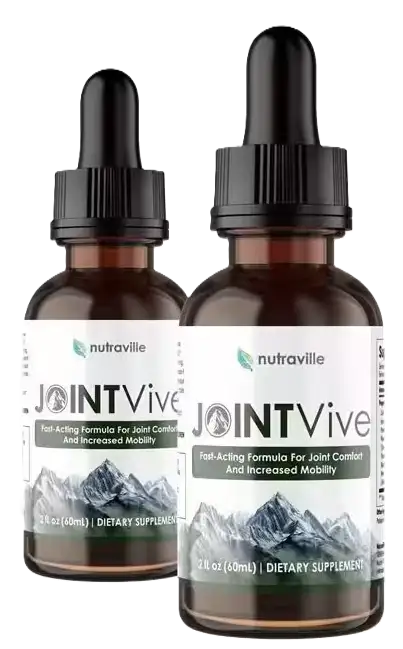
Are you tired of hip pain dictating your daily life and limiting your freedom of movement?
Hip pain is a pervasive issue affecting millions worldwide, significantly impacting quality of life, mobility, and overall well-being. From a dull ache to sharp, debilitating agony, discomfort in the hip joint can stem from a multitude of causes, often making simple tasks like walking, standing, or even sleeping a challenge. Understanding the underlying reasons for your hip pain is the first crucial step towards finding effective relief.
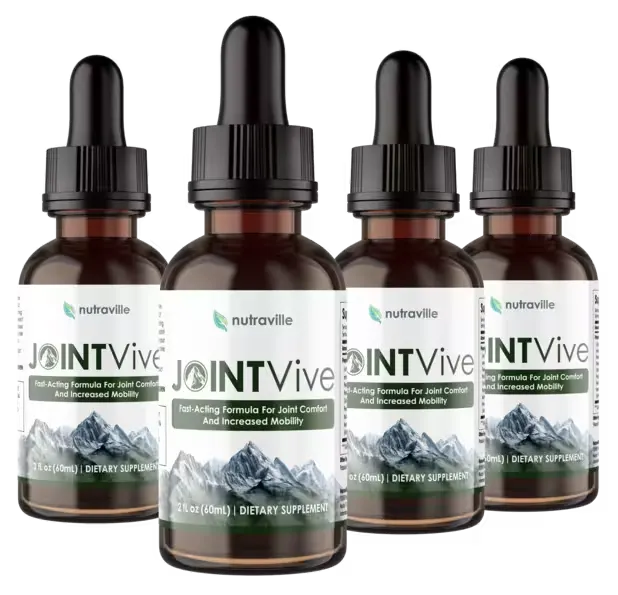
This comprehensive guide delves into the common causes of hip pain, with a particular focus on osteoarthritis and chronic joint inflammation, and explores a spectrum of natural remedies and lifestyle adjustments designed to support joint health. We'll also examine how targeted nutritional support, like that offered by JointVive, can play a pivotal role in your journey towards sustained comfort and improved mobility.
Understanding the Anatomy of Hip Pain and Its Common Causes
The hip joint is a marvel of biomechanical engineering, a ball-and-socket joint designed for incredible range of motion and weight-bearing capacity. However, this complexity also makes it susceptible to various conditions that lead to pain. Identifying the precise cause is crucial for effective treatment.
The hip joint is formed by the head of the femur (thigh bone) fitting into the acetabulum (a socket in the pelvis). This joint is surrounded by strong ligaments, tendons, and muscles that provide stability and allow for smooth movement. When any of these components are compromised, pain can arise. Understanding the specific location and nature of your pain can offer clues to its origin. For instance, pain felt inside the hip or groin often indicates issues within the joint itself, while pain on the outside of the hip, upper thigh, or buttock typically points to problems with muscles, ligaments, or tendons surrounding the joint.
One of the most prevalent causes of chronic hip pain, especially among older adults, is Osteoarthritis (OA). This degenerative joint disease occurs when the protective cartilage that cushions the ends of your bones wears down over time. Without this cartilage, bones rub directly against each other, leading to pain, stiffness, swelling, and reduced flexibility. OA is often progressive, meaning it worsens over time, and can significantly impair daily activities. The inflammation associated with OA is a key contributor to discomfort, as inflammatory cytokines can further degrade cartilage and irritate nerve endings. Factors contributing to OA include age, obesity, previous hip injuries, genetic predisposition, and repetitive stress on the joint.
Beyond osteoarthritis, other common causes of hip pain include:
- Bursitis: Inflammation of the bursae, small fluid-filled sacs that cushion bones, tendons, and muscles near the hip joint. Trochanteric bursitis, affecting the bursa on the outside of the hip, is particularly common.
- Tendinitis: Inflammation or irritation of the thick fibrous cords (tendons) that attach muscles to bones. Hip tendinitis often affects the tendons of the hip flexors or gluteal muscles.
- Muscle Strains: Overuse or sudden injury to the muscles surrounding the hip, such as the hip flexors, hamstrings, or quadriceps, can cause pain.
- Sciatica: Although originating in the lower back, irritation of the sciatic nerve can cause pain that radiates down the leg and into the hip.
- Hip Fractures: More common in older adults with osteoporosis, these are serious injuries requiring immediate medical attention.
- Avascular Necrosis: Occurs when blood flow to the ball of the hip joint is interrupted, causing bone tissue to die.
Recognizing the specific type and cause of your hip pain is crucial for selecting the most appropriate management strategies. While severe cases may require medical intervention, many individuals find significant relief and improved function through a combination of lifestyle changes, natural remedies, and targeted joint support.
💡 Key Takeaway
Hip pain is often caused by osteoarthritis and inflammation, but can also stem from bursitis, tendinitis, or muscle strains. Accurate diagnosis is essential for effective treatment, with many finding relief through holistic and natural approaches.
Embracing Natural Remedies for Hip Pain Relief and Joint Support
While conventional medicine offers solutions for hip pain, a growing number of individuals are turning to natural remedies for their potential to alleviate symptoms and support long-term joint health without harsh side effects. These approaches often focus on reducing inflammation, strengthening surrounding muscles, and improving joint lubrication.
Anti-Inflammatory Diet
What you eat can profoundly impact your body's inflammatory response. An anti-inflammatory diet emphasizes whole, unprocessed foods. Focus on omega-3 fatty acids found in fatty fish (salmon, mackerel), flaxseeds, and walnuts. Incorporate plenty of colorful fruits and vegetables rich in antioxidants, like berries, leafy greens, and bell peppers. Spices such as turmeric and ginger are also powerful natural anti-inflammatories. Limiting processed foods, refined sugars, and unhealthy fats (trans fats, excessive saturated fats) can significantly reduce systemic inflammation that contributes to hip pain, especially in conditions like osteoarthritis. For more detailed insights into how diet impacts joint health, consider reading our article on Joint Pain Diet: Understanding Nightshade Vegetables and Other Inflammatory Foods.
Regular, Low-Impact Exercise
Movement is medicine for joints. While it might seem counterintuitive, gentle exercise can alleviate hip pain by strengthening the muscles supporting the hip, improving flexibility, and increasing blood flow to the joint. Low-impact activities such as swimming, cycling, walking, and yoga are excellent choices. These exercises minimize stress on the hip joint while building strength and endurance. A physical therapist can help design a tailored exercise program to target specific muscle groups and improve range of motion without exacerbating pain.
Weight Management
Excess body weight places significant additional stress on weight-bearing joints, including the hips. Even a modest amount of weight loss can substantially reduce the load on your hip joints, thereby decreasing pain and slowing the progression of conditions like osteoarthritis. Maintaining a healthy weight through a balanced diet and regular exercise is one of the most impactful natural strategies for long-term hip health and pain management.
Heat and Cold Therapy
Alternating between hot and cold applications can provide temporary but effective relief from hip pain. Heat therapy, such as a warm bath or a heating pad, can help relax stiff muscles and increase blood flow, easing stiffness. Cold therapy, like an ice pack, can reduce inflammation and numb the painful area, especially useful after activity or during acute flare-ups. Always ensure a barrier between the ice pack and your skin to prevent frostbite.
Mind-Body Practices
Chronic pain can take a toll on mental well-being, and stress can actually heighten pain perception. Practices like mindfulness meditation, deep breathing exercises, and tai chi can help manage pain by reducing stress, improving body awareness, and promoting relaxation. These techniques don't eliminate the pain but can significantly alter how you experience and cope with it, empowering you to live more comfortably.
Acupuncture and Massage Therapy
Acupuncture, an ancient Chinese practice involving the insertion of thin needles into specific points on the body, has shown promise in reducing chronic pain, including hip pain. It is believed to stimulate the body's natural pain-relieving chemicals. Similarly, therapeutic massage can help release tension in muscles surrounding the hip, improve circulation, and reduce stiffness, offering both physical and mental relaxation benefits.

The Role of Nutritional Support and Supplements in Joint Health
While diet and exercise form the bedrock of joint health, targeted nutritional support through supplements can provide an additional layer of defense against hip pain and inflammation, particularly for conditions like osteoarthritis. These supplements are designed to complement a healthy lifestyle by delivering concentrated doses of compounds beneficial for cartilage repair, inflammation reduction, and overall joint function.
The market is flooded with various joint supplements, making it challenging to choose the right one. Many traditional supplements, like glucosamine and chondroitin, have been popular for years, but their effectiveness can vary significantly among individuals. Newer, more advanced formulations often incorporate a wider array of scientifically backed ingredients that work synergistically to address multiple aspects of joint health. For a deeper dive into how JointVive compares to these traditional options, you might find our article JointVive vs. Glucosamine: Which Supplement is Right for Your Joint Pain? particularly informative.
When considering supplements for hip pain, look for ingredients known for their anti-inflammatory, antioxidant, and cartilage-protective properties. These include:
- Turmeric (Curcumin): A powerful anti-inflammatory compound that can reduce pain and stiffness.
- Ginger: Another natural anti-inflammatory that helps alleviate discomfort.
- Boswellia Serrata: Known for its ability to inhibit inflammatory pathways.
- MSM (Methylsulfonylmethane): A sulfur compound that can reduce pain and inflammation and support cartilage synthesis.
- Hyaluronic Acid: A component of synovial fluid, it helps lubricate joints and absorb shock.
- Collagen: The main protein in connective tissues, including cartilage. Supplementing can help support cartilage integrity.
- Omega-3 Fatty Acids: Essential fats with strong anti-inflammatory effects.
The goal of these supplements is not just to mask pain, but to support the body's natural mechanisms for healing and maintenance of healthy joint tissue. By reducing the chronic inflammation that often accompanies osteoarthritis and providing the building blocks for cartilage, these natural compounds can contribute to long-term relief and improved mobility. It is always important to consult with a healthcare professional before adding any new supplement to your regimen, especially if you have existing health conditions or are taking other medications.
JointVive stands out by combining several potent botanical extracts and natural compounds, each chosen for its proven benefits in combating inflammation, supporting cellular health, and promoting overall joint resilience. Its comprehensive approach aims to address the root causes of hip pain and discomfort, offering a natural pathway to enhanced well-being and an active lifestyle. Many users have shared their positive experiences; you can read some of their stories and results in our JointVive Reviews: Real Results from Verified Users article.
Lifestyle Adjustments for Optimal Hip Health
Ergonomics and Posture
Poor posture and improper body mechanics can contribute to hip pain. Pay attention to how you sit, stand, and lift. Ensure your workstation is ergonomically set up to support your spine and hips. When lifting heavy objects, bend your knees and use your leg muscles, rather than straining your back and hips. Using supportive footwear can also make a significant difference in how forces are distributed through your lower body.
Quality Sleep
Adequate, restorative sleep is crucial for overall health and plays a vital role in pain management and tissue repair. During sleep, your body releases hormones that aid in healing and recovery, and it also processes pain signals differently. Ensure your sleeping position supports your hips and spine; a pillow between your knees if you sleep on your side can help align your hips and alleviate pressure. Aim for 7-9 hours of quality sleep per night.
Avoiding Overuse and Repetitive Strain
While exercise is beneficial, overuse or repetitive motions can exacerbate hip pain. If your job or hobbies involve repetitive hip movements, take frequent breaks and vary your activities. Listen to your body and avoid pushing through sharp pain. Gradually increase the intensity and duration of your activities to allow your joints and muscles to adapt, preventing injury and inflammation.
Building Core Strength
A strong core (abdominal and back muscles) provides better stability for your entire body, including your hips. When your core is weak, other muscles, including those around your hips, have to work harder, leading to strain and potential pain. Incorporate core-strengthening exercises into your routine, such as planks, pelvic tilts, and gentle abdominal exercises, to support your hip joint and improve overall body mechanics.
JointVive: A Natural Approach to Comprehensive Joint Support
JointVive is formulated with a powerful blend of natural ingredients, each selected for its unique contribution to joint health, inflammation reduction, and pain relief. This synergistic combination aims to address the root causes of hip pain and discomfort, providing holistic support for individuals seeking a natural path to improved mobility and well-being.

Bacopa Monnieri
Role: Known for its adaptogenic and anti-inflammatory properties, Bacopa helps reduce systemic inflammation and oxidative stress, which are critical factors in joint degradation and pain. It also supports cognitive function and stress reduction, which can indirectly aid in pain management.
Typical Dose: 300-450mg extract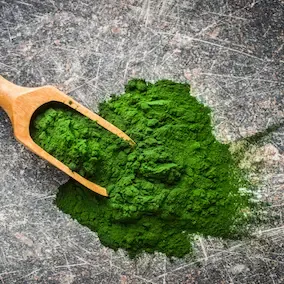
Chlorella
Role: A nutrient-dense algae, Chlorella is rich in antioxidants, vitamins, and minerals. It supports detoxification, reduces inflammation, and promotes cellular repair. Its anti-inflammatory effects can help alleviate joint discomfort and protect joint tissues from damage.
Typical Dose: 2-5g daily
Ginkgo Biloba
Role: Primarily known for improving circulation, Ginkgo Biloba enhances blood flow to tissues, including joints, which can aid in nutrient delivery and waste removal. It also possesses potent antioxidant and anti-inflammatory properties, contributing to overall joint protection and reduced pain.
Typical Dose: 120-240mg extract
Lion's Mane Mushroom
Role: This medicinal mushroom is celebrated for its neuroprotective and anti-inflammatory effects. It can help reduce inflammation throughout the body, including in the joints, and may support nerve health, which can be beneficial for nerve-related joint pain.
Typical Dose: 1-3g daily
Moringa Oleifera
Role: Often called the "miracle tree," Moringa is packed with vitamins, minerals, amino acids, and powerful anti-inflammatory compounds. It helps combat oxidative stress and reduces inflammation, offering comprehensive support for joint health and pain management.
Typical Dose: 2-8g daily
Pine Bark Extract (Pycnogenol)
Role: A potent antioxidant, Pine Bark Extract helps protect joint cartilage from damage caused by free radicals. It also significantly reduces inflammation and improves circulation, easing pain and stiffness associated with osteoarthritis and other joint conditions.
Typical Dose: 50-150mg daily
Spirulina
Role: Another powerhouse algae, Spirulina is rich in proteins, vitamins, minerals, and antioxidants. It supports immune function, reduces inflammation, and helps protect cells from oxidative damage, contributing to overall joint resilience and reduced discomfort.
Typical Dose: 1-8g daily
Tamarind Seed Extract
Role: Emerging research highlights Tamarind Seed Extract's potential in joint health due to its hyaluronic acid-boosting properties. It helps increase the viscosity and elasticity of synovial fluid, improving joint lubrication and reducing friction, which is crucial for conditions like osteoarthritis.
Typical Dose: 250-500mg dailyBy integrating these powerful natural ingredients, JointVive offers a multi-faceted approach to addressing hip pain and promoting joint health. It aims to not only alleviate symptoms but also support the underlying biological processes necessary for long-term comfort and mobility.

Experience the JointVive Difference: Reclaim Your Mobility and Comfort
Don't let hip pain hold you back from living your life to the fullest. JointVive offers a scientifically formulated blend of natural ingredients designed to provide comprehensive support for your joints, reduce inflammation, and alleviate discomfort.
- ✓ Supports healthy hip joint function
- ✓ Reduces inflammation and stiffness
- ✓ Promotes cartilage health and repair
- ✓ Enhances overall mobility and flexibility
- ✓ Made with 100% natural, premium ingredients




What Our Customers Say About JointVive
"For years, my hip pain from osteoarthritis made even short walks agonizing. I tried everything. JointVive has been a game-changer. After about a month, I noticed a significant reduction in stiffness and discomfort. I'm now enjoying my morning walks again!"

"I was skeptical at first, but JointVive truly delivered. My hip used to ache constantly, especially after a long day. Now, the inflammation has calmed down, and I feel much more flexible. It’s comforting to know I'm taking something natural that works."

"My doctor suggested exploring natural options for my persistent hip pain. JointVive came highly recommended, and I can see why. The pain has dulled significantly, and I can sleep through the night without waking up from discomfort. Highly recommend!"

Frequently Asked Questions
What are the most common causes of hip pain?
+Hip pain can stem from various sources, but common culprits include osteoarthritis, bursitis, tendinitis, muscle strains, and injuries. Osteoarthritis, a degenerative joint disease, is particularly prevalent, leading to cartilage breakdown and inflammation.
Can diet impact hip pain and joint inflammation?
+Absolutely. Certain foods can exacerbate inflammation, while others can help reduce it. An anti-inflammatory diet rich in omega-3 fatty acids, antioxidants, fruits, vegetables, and whole grains can significantly support joint health and potentially alleviate hip pain. Conversely, processed foods, excessive sugar, and certain oils can worsen inflammation.
What natural remedies are effective for hip pain?
+Natural remedies include herbal supplements like turmeric, ginger, and Boswellia, which possess anti-inflammatory properties. Topical applications of essential oils, hot and cold therapy, regular low-impact exercise, and maintaining a healthy weight are also beneficial. Always consult a healthcare professional before starting any new treatment.
How does JointVive support joint health for hip pain?
+JointVive is formulated with a blend of natural ingredients known for their anti-inflammatory and joint-supportive properties. Ingredients like Bacopa, Chlorella, and Ginkgo Biloba work synergistically to reduce inflammation, protect cartilage, and improve overall joint function, addressing the root causes of discomfort associated with conditions like osteoarthritis.
Is exercise safe and beneficial for someone with hip pain?
+Yes, appropriate exercise is crucial for hip pain management. Low-impact activities such as swimming, cycling, walking, and gentle stretching can strengthen surrounding muscles, improve flexibility, and reduce stiffness without putting excessive strain on the hip joint. It's vital to consult with a physical therapist or doctor to develop a personalized exercise plan.
How long does it take to see results from natural remedies or supplements like JointVive?
+The timeline for seeing results can vary widely depending on the individual, the severity of the condition, and consistency of use. While some may experience improvements within a few weeks, others might need a few months. For best results, natural remedies and supplements should be part of a holistic approach to joint health, combined with a healthy lifestyle.
Related Articles