Are Nagging Hand and Finger Joint Pains Limiting Your Daily Life?
Hand and finger joint pain can be debilitating, turning simple tasks like gripping a cup or typing into agonizing challenges. Whether it's the stiffness of morning arthritis or persistent aches throughout the day, these discomforts can significantly impact your quality of life. Understanding the root causes, primarily osteoarthritis and joint inflammation, is the first step towards effective relief.
In this comprehensive guide, we'll explore proven exercises, lifestyle adjustments, and natural remedies that can help alleviate your hand and finger joint pain, offering a path to improved mobility and comfort. We'll also briefly introduce a science-backed supplement, JointVive, as a potential component of a holistic relief strategy.
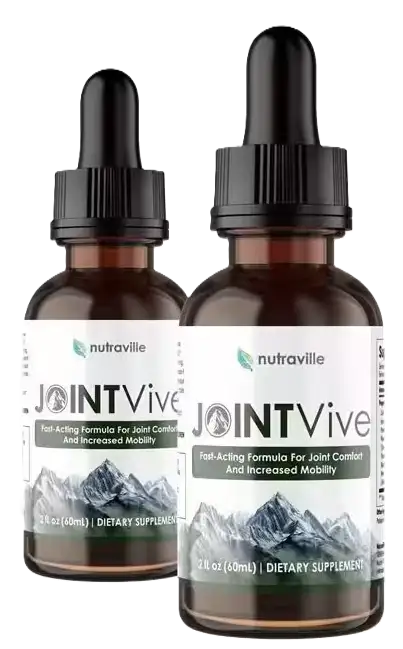
Understanding Hand and Finger Joint Pain: Causes and Symptoms
Before we dive into solutions, it's crucial to understand what causes hand and finger joint pain and how it manifests. Identifying the specific type of pain and its underlying cause is the first step toward effective management and relief.
The most prevalent cause of chronic hand and finger joint pain is osteoarthritis (OA), often referred to as "wear-and-tear" arthritis. This condition occurs when the protective cartilage that cushions the ends of your bones wears down over time. Without this cushioning, bones rub against each other, leading to pain, stiffness, and reduced mobility. Hand osteoarthritis commonly affects the base of the thumb, the joints closest to the fingertips (DIP joints), and the middle joints of the fingers (PIP joints). It can be exacerbated by genetics, age, previous injuries, and repetitive hand movements.
Another significant cause is joint inflammation, which can stem from various conditions. Rheumatoid arthritis (RA), for instance, is an autoimmune disease where the body's immune system mistakenly attacks its own tissues, including the lining of the joints. This results in painful swelling, leading to bone erosion and joint deformity. Unlike OA, RA often affects the same joints on both sides of the body and can cause systemic symptoms like fatigue and fever. Other inflammatory conditions, such as gout or psoriatic arthritis, can also target hand and finger joints.
Common symptoms associated with hand and finger joint pain include persistent aching, throbbing, or sharp pain, especially after activity or in the morning. You might experience stiffness, particularly upon waking or after periods of inactivity, which can make it difficult to bend or straighten your fingers. Swelling around the affected joints, tenderness to the touch, and a reduced range of motion are also frequent complaints. Some individuals report a grinding or clicking sensation (crepitus) when moving their joints, and in advanced stages, visible deformities or bony enlargements (Heberden's or Bouchard's nodes) may develop. Recognizing these signs is vital for an accurate diagnosis and appropriate treatment plan.
💡 Key Takeaway
Hand and finger joint pain is primarily caused by osteoarthritis (cartilage wear) and inflammatory conditions like rheumatoid arthritis. Symptoms include stiffness, swelling, pain, and reduced mobility, which can severely impact daily activities.
The Power of Movement: Targeted Exercises for Hand and Finger Joints
Regular, gentle exercises are paramount in managing hand and finger joint pain. They help maintain flexibility, strengthen supporting muscles, and improve circulation, all crucial for joint health and reducing the impact of conditions like osteoarthritis and inflammation.
Increased Flexibility and Range of Motion
Gentle movements help lubricate the joints, preventing them from becoming stiff and immobile. Regular stretching and bending exercises can significantly improve your ability to perform daily tasks that require fine motor skills, such as buttoning clothes or typing.
Strengthens Supporting Muscles
Stronger muscles around the hand and finger joints provide better support and stability, reducing the stress on the joint cartilage. This can slow down the progression of osteoarthritis and help manage pain more effectively.
Reduces Stiffness and Pain
Consistent, low-impact exercises can alleviate chronic stiffness, especially morning stiffness, by promoting blood flow and synovial fluid production. This natural lubrication helps the joints move more smoothly and with less discomfort.
Improves Blood Flow
Enhanced circulation brings vital nutrients and oxygen to the joint tissues while helping to carry away waste products. This improved nutrient delivery is essential for cartilage health and can aid in the repair and maintenance of joint structures.
Enhances Grip Strength and Dexterity
Targeted exercises can significantly improve your overall hand function, making everyday activities easier. Better grip strength and dexterity mean less struggle with opening jars, carrying objects, or performing delicate tasks, empowering you to maintain independence.
Practical Exercises for Pain Relief and Mobility
Perform these exercises gently and stop if you feel any sharp pain. Consistency is key, so aim for 5-10 repetitions of each, 2-3 times a day. Always consult with a healthcare professional or physical therapist before starting any new exercise regimen, especially if you have an existing medical condition or severe pain.
1. Finger Bends (Fist to Extension): Start with your hand open and fingers straight. Slowly make a loose fist, gently curling your fingers into your palm. Avoid clenching tightly. Hold for 5-10 seconds, then slowly straighten your fingers again. This helps improve the flexibility of all finger joints and can reduce morning stiffness.
2. Thumb Bends (Thumb Touches): With your hand open, gently touch your thumb to the base of your pinky finger. Hold for a few seconds, then return to the starting position. Next, try touching your thumb to the tip of each of your other fingers (index, middle, ring, pinky) in sequence. This exercise targets the thumb's range of motion, crucial for tasks like gripping and pinching, which are often compromised by thumb basal joint osteoarthritis.
3. Wrist Bends and Rotations: Extend one arm straight out with your palm facing down. Gently bend your wrist downwards, then upwards, using your other hand to apply slight pressure for a deeper stretch if comfortable. Repeat 5-10 times. Then, make gentle circles with your wrist in both clockwise and counter-clockwise directions. These movements improve wrist flexibility, which supports overall hand function and can alleviate strain on finger joints.
4. Finger Spreads: Start with your fingers together. Slowly spread your fingers as wide apart as comfortably possible, holding for 5-10 seconds. Then bring them back together. This exercise helps maintain the flexibility of the small muscles between your fingers and can be particularly beneficial for those experiencing stiffness in the metacarpophalangeal (MCP) joints.
5. Grip Strengthening: Hold a soft stress ball or a rolled-up sock in your palm. Gently squeeze the object, holding the squeeze for 3-5 seconds, then relax. Repeat 10-15 times. This exercise builds strength in the muscles responsible for gripping, which can be severely weakened by joint pain and inflammation. However, be cautious not to overdo it, especially if you have acute inflammation.
6. Finger Lifts: Place your hand flat on a table, palm down. One at a time, lift each finger off the table as high as you can, holding for a few seconds before lowering. This helps isolate and strengthen individual finger extensors. For a more extensive program, consider exploring professional guidance on physical therapy osteoarthritis home exercises specifically designed for hand and finger joints.
Remember, consistency and gentleness are key. These exercises are not meant to cause pain but to improve function and reduce discomfort over time. Integrating them into your daily routine can make a significant difference in managing your hand and finger joint pain.

Holistic Lifestyle Adjustments for Enhanced Joint Health
Beyond targeted exercises, several lifestyle factors play a crucial role in managing hand and finger joint pain and inflammation. Adopting a holistic approach that integrates these adjustments can significantly improve your overall joint health and quality of life.
1. Anti-Inflammatory Diet: What you eat directly impacts your body's inflammatory response. Incorporating an anti-inflammatory diet is one of the most powerful natural remedies. Focus on foods rich in antioxidants and omega-3 fatty acids, such as fatty fish (salmon, mackerel), flaxseeds, walnuts, vibrant fruits (berries, cherries), and a wide array of colorful vegetables (spinach, kale, broccoli). These foods help combat systemic inflammation, which can reduce pain and swelling in your finger and hand joints. Conversely, minimize or eliminate processed foods, sugary drinks, refined carbohydrates, and unhealthy fats (trans fats, excessive saturated fats) as these can promote inflammation.
2. Weight Management: While hand and finger joints don't bear the same weight as knees or hips, excess body weight contributes to systemic inflammation throughout the body. Maintaining a healthy weight reduces this inflammatory burden, potentially easing symptoms in all joints, including those in your hands. Even a modest weight loss can make a noticeable difference in reducing joint stress and inflammation.
3. Heat and Cold Therapy: These simple, accessible therapies can provide immediate relief. Apply heat (warm compress, paraffin wax bath, warm shower) to stiff joints to increase blood flow, relax muscles, and improve flexibility, especially in the morning. Use cold packs (ice wrapped in a cloth) for acute pain, swelling, or after activity to reduce inflammation and numb the area. Alternate between hot and cold for maximum benefit.
4. Ergonomics and Joint Protection: Modifying how you perform daily tasks can significantly reduce strain on your hand and finger joints. Use ergonomic tools, such as larger-handled utensils, jar openers, or keyboard and mouse alternatives. Distribute weight evenly when lifting, use your strongest joints, and avoid prolonged gripping or pinching. Take frequent breaks during repetitive tasks to stretch and rest your hands. These small changes can prevent overuse injuries and protect fragile joint structures.
5. Stress Management: Chronic stress can exacerbate inflammatory conditions and heighten pain perception. Implementing stress-reducing techniques like mindfulness meditation, deep breathing exercises, yoga, or spending time in nature can help. Managing stress effectively can lower inflammation markers in the body and improve your coping mechanisms for chronic pain.
6. Adequate Sleep: Sleep is a crucial period for the body's repair and regeneration processes. Insufficient sleep can increase inflammation and pain sensitivity. Aim for 7-9 hours of quality sleep per night. Establishing a consistent sleep schedule and creating a conducive sleep environment can significantly impact your joint health and overall well-being.
💡 Key Takeaway
Adopting an anti-inflammatory diet, managing weight, using hot/cold therapy, practicing joint protection ergonomics, and prioritizing stress management and adequate sleep are vital lifestyle adjustments for reducing hand and finger joint pain and inflammation.
Exploring Natural Relief Strategies: Supplements and Topical Solutions
For many, lifestyle changes and exercises are foundational, but natural supplements and topical applications can provide additional support in reducing pain and inflammation, offering a complementary path to improved joint comfort in the hands and fingers. Always consult your doctor before starting any new supplement regimen.
1. Turmeric (Curcumin): This vibrant yellow spice is renowned for its potent anti-inflammatory properties, primarily due to its active compound, curcumin. Curcumin has been extensively studied for its ability to reduce inflammation and pain, often compared to NSAIDs, but with a more favorable side effect profile. It can be particularly effective for osteoarthritis and general joint inflammation. Look for supplements standardized to a high percentage of curcuminoids and enhanced for bioavailability (e.g., with piperine).
2. Omega-3 Fatty Acids: Found abundantly in fish oil, flaxseed oil, and chia seeds, omega-3s (EPA and DHA) are powerful anti-inflammatory agents. They work by reducing the production of inflammatory chemicals in the body, which can significantly alleviate joint pain and stiffness associated with various forms of arthritis. Regular intake can contribute to long-term joint health and reduced inflammatory responses.
3. Glucosamine and Chondroitin: These compounds are natural components of healthy cartilage. As supplements, they are widely used to support cartilage health, slow down its degeneration, and potentially aid in its repair. While results can vary, many individuals with osteoarthritis report reduced pain and improved joint function with consistent use. They are thought to help rebuild cartilage and improve the viscosity of synovial fluid.
4. MSM (Methylsulfonylmethane): MSM is an organic sulfur compound naturally present in some foods and the human body. As a supplement, it's known for its pain-relieving and anti-inflammatory effects. It helps reduce oxidative stress and inflammation, which can be beneficial for those suffering from joint discomfort and muscle pain. It often works synergistically with glucosamine and chondroitin.
5. Boswellia Serrata: Derived from the Indian frankincense tree, Boswellia has a long history of use in traditional medicine for its powerful anti-inflammatory properties. Its active compounds, boswellic acids, specifically target inflammatory pathways, making it effective for reducing swelling and pain in arthritic joints without affecting the stomach lining like some conventional pain relievers. It can be a valuable addition for managing chronic hand inflammation.
6. Topical Creams and Gels: For localized hand and finger joint pain, topical applications can offer direct relief. Creams containing ingredients like menthol, camphor, capsaicin, or CBD can provide temporary warming or cooling sensations, distract from pain, or reduce local inflammation. While they don't address the underlying cause, they can be a useful tool for managing acute discomfort and improving daily function. When considering supplements, it's wise to compare options and understand their benefits. You might find our detailed analysis on JointVive vs. NSAIDs: Natural vs. Prescription insightful for a balanced perspective.
The Power of Nature: Key Natural Ingredients for Joint Support
Turmeric (Curcumin)
A potent anti-inflammatory spice, curcumin has been shown to reduce joint pain and swelling by inhibiting inflammatory pathways in the body. It's a cornerstone of natural joint relief.
Omega-3 Fatty Acids
Essential fats found in fish oil and flaxseed, omega-3s like EPA and DHA actively reduce systemic inflammation, helping to calm aching joints and improve flexibility.
Boswellia Serrata
An ancient herbal extract known for its powerful boswellic acids, which specifically target and reduce inflammation, supporting joint comfort and mobility without adverse side effects.
Ginger Root
Often used for its digestive benefits, ginger also possesses significant anti-inflammatory and pain-relieving properties, making it a natural ally against joint discomfort.
Green Tea Extract
Rich in antioxidants, particularly EGCG, green tea helps protect joint tissues from oxidative damage and reduce inflammation, contributing to overall joint health.
Vitamin D
Crucial for bone health and immune function, adequate Vitamin D levels are associated with reduced inflammation and may play a protective role against joint degeneration.
Key Natural Ingredients Often Found in Advanced Joint Formulas

Bacopa Monnieri
Role: Supports cognitive function and has adaptogenic properties, helping the body manage stress which can indirectly reduce inflammation. It contributes to overall well-being.
150-300mg standardized extract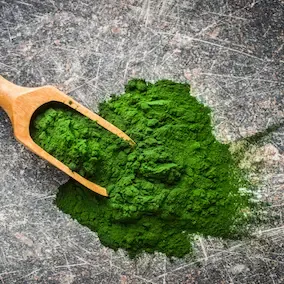
Chlorella
Role: A nutrient-dense superfood, chlorella is rich in vitamins, minerals, and antioxidants. It supports detoxification and cellular health, aiding in the reduction of systemic inflammation.
1-5g daily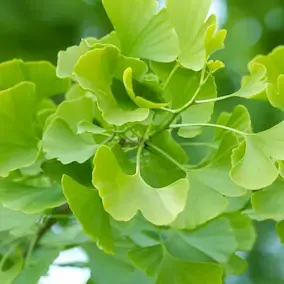
Ginkgo Biloba
Role: Known for improving blood circulation, Ginkgo Biloba can help ensure efficient delivery of nutrients to joint tissues and aid in the removal of metabolic waste, reducing discomfort.
120-240mg standardized extract
Lion's Mane Mushroom
Role: This medicinal mushroom is celebrated for its neuroprotective and anti-inflammatory effects. It may support nerve health around joints and help mitigate inflammatory responses.
500-1000mg daily
Moringa Oleifera
Role: Often called the "miracle tree," Moringa is packed with over 90 nutrients and powerful anti-inflammatory compounds, offering broad support for pain relief and overall health.
500-1500mg daily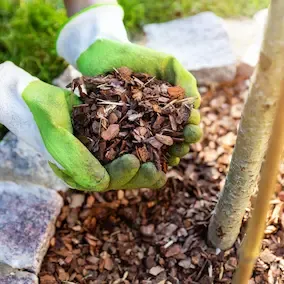
Pine Bark Extract
Role: A potent antioxidant, rich in proanthocyanidins, it effectively reduces inflammation, improves microcirculation, and protects collagen and elastin in joint tissues.
50-100mg daily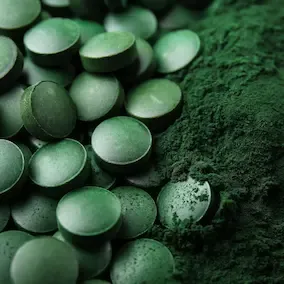
Spirulina
Role: This blue-green algae is a complete protein and powerful antioxidant. Its anti-inflammatory properties help reduce joint swelling and pain, supporting immune and joint health.
1-8g daily
Tamarind Seed Extract
Role: Emerging research highlights its potential to significantly improve joint comfort and flexibility by reducing inflammatory markers and protecting cartilage from degradation.
100-250mg dailyIntroducing JointVive: A Comprehensive Natural Solution for Joint Comfort
While a holistic approach encompassing exercises and lifestyle changes is key, a well-formulated natural supplement can significantly amplify your efforts to combat hand and finger joint pain. JointVive is designed to offer targeted support, leveraging a blend of potent natural ingredients to promote lasting comfort and mobility.
JointVive's philosophy is rooted in providing an all-natural, science-backed solution for individuals struggling with joint discomfort, particularly those suffering from osteoarthritis and general joint inflammation in their hands and fingers. It aims to address the multi-faceted nature of joint pain by not just masking symptoms, but by supporting the body's natural healing and maintenance processes.
The carefully selected ingredients in JointVive work synergistically to provide comprehensive joint support. This includes powerful anti-inflammatory agents that help to calm the painful swelling and tenderness often associated with arthritis. Furthermore, the formula contains compounds known to support cartilage health, helping to protect existing cartilage from further degradation and potentially aiding in its regeneration. By nourishing the joint tissues and improving their resilience, JointVive contributes to enhanced flexibility and a greater range of motion.
Many of the natural ingredients discussed previously, such as those with antioxidant, anti-inflammatory, and cartilage-supporting properties, form the foundation of advanced joint formulas like JointVive. The goal is to provide a gentle yet effective alternative or complement to conventional treatments, focusing on sustainable relief without harsh side effects. If you're curious about the experiences of others, a deep dive into Is JointVive Worth It? An Honest Review can provide valuable insights from real users.
Choosing a supplement like JointVive means opting for a product that prioritizes natural efficacy and safety. It's designed to seamlessly integrate into your existing health regimen, working alongside your exercises and dietary adjustments to provide a more complete strategy for managing hand and finger joint pain. With consistent use, JointVive aims to help you reclaim the comfort and dexterity needed to enjoy your daily life to the fullest.

Ready to Reclaim Your Comfort? Experience the JointVive Difference
Don't let hand and finger joint pain dictate your life any longer. JointVive offers a powerful, all-natural formula designed to support healthy joints, reduce inflammation, and restore your mobility. It's time to move freely, grip confidently, and live without constant discomfort.
- Targets inflammation at its source for lasting relief
- Supports cartilage repair and regeneration for stronger joints
- Enhances joint flexibility and mobility, improving dexterity
- Formulated with 100% natural, science-backed ingredients
- Made in an FDA-registered, GMP-certified facility in the USA




What Our Customers Say About JointVive
"I've struggled with stiff, aching fingers for years, making simple tasks a chore. After a few weeks with JointVive, the difference is remarkable. My grip strength is better, and the morning stiffness is almost gone!"
"My doctor recommended exercises, but I needed something more for my thumb joint pain. JointVive has been a game-changer. My hands feel more flexible, and I can knit again without constant discomfort."
"As a pianist, my finger joints are critical. JointVive has helped me maintain my dexterity and reduce the daily aches that used to plague me. It's truly a natural relief I can count on."
Frequently Asked Questions
What are the primary causes of hand and finger joint pain?
+The most common causes include osteoarthritis, which is the wear-and-tear of cartilage, and inflammatory conditions like rheumatoid arthritis. Other factors can include injuries, repetitive strain, and certain autoimmune diseases.
How can exercises help alleviate joint pain in my hands?
+Gentle hand and finger exercises help improve flexibility, strengthen the muscles surrounding the joints, enhance blood circulation, and reduce stiffness. This can lead to better mobility and decreased pain over time.
Are there any specific dietary changes that can reduce joint inflammation?
+Yes, adopting an anti-inflammatory diet rich in fruits, vegetables, lean proteins, and omega-3 fatty acids (found in fish, flaxseed) can significantly reduce systemic inflammation. Limiting processed foods, sugar, and unhealthy fats is also beneficial.
How does JointVive contribute to natural joint relief?
+JointVive is formulated with a blend of natural ingredients known for their anti-inflammatory, antioxidant, and cartilage-supporting properties. It aims to address the root causes of discomfort, reduce pain, and improve overall joint function.
Is JointVive suitable for all types of hand and finger joint pain?
+JointVive is generally designed to support individuals experiencing discomfort related to osteoarthritis and general joint inflammation. However, it's always recommended to consult with your healthcare provider to determine if it's appropriate for your specific condition.
How long does it take to see results from JointVive?
+Individual results may vary, but many users report noticeable improvements in comfort and mobility within a few weeks of consistent use. For optimal benefits, it's recommended to take JointVive regularly as directed.
Related Articles