Are you tired of the sudden, excruciating pain of a gout attack?
Gout, a complex form of inflammatory arthritis, can strike without warning, turning simple movements into agonizing challenges. Often misunderstood, its causes and triggers are deeply intertwined with our diet, lifestyle, and even genetics. For millions, gout isn't just a nuisance; it's a chronic condition that significantly impacts quality of life, leading to severe joint pain, swelling, and redness.
Understanding what precipitates these painful episodes is the first step towards regaining control. This comprehensive guide will delve into the root causes and common triggers of gout, offering actionable insights and natural prevention tips to help you manage and potentially avoid future flare-ups. Discover how simple changes can make a profound difference in your joint health.
Understanding Gout: More Than Just a "Rich Man's Disease"
Gout, historically associated with indulgence, is a serious medical condition that can affect anyone. It's a type of inflammatory arthritis characterized by sudden, severe attacks of pain, swelling, redness, and tenderness in one or more joints, often the big toe. These attacks can occur without warning, making daily life incredibly challenging.
At its core, gout is caused by a condition called hyperuricemia, where there is too much uric acid in the blood. Uric acid is a natural waste product formed when the body breaks down purines, substances found naturally in the body and in many foods. Normally, uric acid dissolves in the blood, passes through the kidneys, and is eliminated in urine. However, if the body produces too much uric acid or the kidneys excrete too little, it can build up. When these levels become excessively high, uric acid can form sharp, needle-like crystals in a joint or surrounding tissue, leading to the intense inflammation and pain characteristic of a gout attack.
While commonly affecting the big toe (podagra), gout can also impact other joints, including the ankles, knees, elbows, wrists, and fingers. The pain can be so severe that even the weight of a bedsheet can be unbearable. Without proper management, gout can lead to chronic arthritis, joint damage, and the formation of tophi – hard lumps of uric acid crystals under the skin. It's important to differentiate gout from other forms of joint pain, such as rheumatoid arthritis or osteoarthritis, as their underlying mechanisms and treatments vary significantly.
The perception of gout as a "rich man's disease" stems from historical observations that it often affected wealthy individuals who could afford diets rich in meat and alcohol. Today, we understand that while diet plays a significant role, genetic predisposition and other medical conditions also contribute substantially to the risk. This deeper understanding has paved the way for more effective prevention and management strategies that extend beyond simple dietary restrictions.
💡 Key Takeaway
Gout is an inflammatory arthritis caused by the accumulation of uric acid crystals in joints due to hyperuricemia. It's not just a dietary issue but also influenced by genetics and other health factors, leading to severe pain and potential chronic joint damage if untreated.
The Root Causes of Gout: Why Uric Acid Builds Up
Understanding the fundamental reasons behind elevated uric acid levels is crucial for effective gout prevention. It's rarely a single factor but often a combination of genetic, dietary, and lifestyle elements that contribute to hyperuricemia.
The primary cause is an imbalance in the body's handling of uric acid. This can manifest in two main ways:
-
Overproduction of Uric Acid: In some individuals, the body naturally produces too much uric acid. This can be due to genetic predispositions or certain medical conditions. When cells break down, purines are released, and the body converts these purines into uric acid. A high cell turnover rate, seen in conditions like psoriasis, certain cancers, or chemotherapy, can increase uric acid production.
-
Under-excretion of Uric Acid: More commonly, gout occurs when the kidneys don't efficiently excrete uric acid from the body. This accounts for about 90% of gout cases. Kidney dysfunction, even mild, can impair uric acid removal. Diuretics (water pills) and other medications can also reduce the kidneys' ability to excrete uric acid, leading to its accumulation in the bloodstream.
Beyond these primary mechanisms, several risk factors significantly increase the likelihood of developing gout:
-
Genetics: A family history of gout is a strong indicator of increased risk. Specific genetic mutations can affect how the kidneys handle uric acid, making some individuals more susceptible.
-
Diet: Consumption of purine-rich foods (red meat, organ meats, certain seafood) and high-fructose corn syrup can elevate uric acid levels. Alcohol, particularly beer, also contributes by both increasing uric acid production and hindering its excretion.
-
Obesity: Being overweight or obese increases the body's uric acid production and reduces the kidneys' ability to excrete it. Weight loss is often a key component of gout management.
-
Medical Conditions: Certain health issues are closely linked with gout. These include untreated high blood pressure (hypertension), diabetes, metabolic syndrome, heart and kidney diseases. These conditions can independently or synergistically impact uric acid metabolism.
-
Medications: Besides diuretics, low-dose aspirin, some immunosuppressants (like cyclosporine), and certain chemotherapy drugs can increase uric acid levels as a side effect.
-
Age and Sex: Gout is more common in men, especially between the ages of 30 and 50. After menopause, women's risk increases to similar levels as men, likely due to hormonal changes that affect uric acid excretion.
Understanding these underlying causes and risk factors empowers individuals to make informed choices about their health and work with their healthcare providers to develop a personalized prevention strategy. It's not just about what you eat, but how your body processes it, influenced by a complex interplay of internal and external factors.
Common Gout Triggers: What Can Spark a Flare-Up?
Even with elevated uric acid, not everyone experiences gout attacks constantly. Flare-ups are often triggered by specific events or exposures that cause a sudden spike in uric acid levels or initiate an inflammatory response. Identifying and avoiding these triggers is paramount for managing gout.
High-Purine Foods
Foods rich in purines are the most well-known triggers. When digested, purines are converted into uric acid. Examples include red meat (beef, lamb, pork), organ meats (liver, kidneys, sweetbreads), and certain seafood (anchovies, sardines, mussels, scallops, tuna). Limiting these can significantly reduce flare-up frequency.
Alcohol Consumption
Alcohol, particularly beer, is a potent gout trigger. It not only increases uric acid production but also impairs its excretion by the kidneys. Spirits and wine can also contribute, though typically to a lesser extent than beer. Moderation or complete avoidance during high-risk periods is often recommended.
Sugary Drinks and Fructose
Beverages sweetened with high-fructose corn syrup (sodas, fruit juices, energy drinks) can rapidly increase uric acid levels. Fructose is metabolized in a way that directly stimulates uric acid production. Opting for water or unsweetened alternatives is a simple, effective preventive measure.
Dehydration
Insufficient fluid intake can concentrate uric acid in the blood, making crystal formation more likely. Staying well-hydrated helps the kidneys flush out uric acid efficiently. Aim for at least 8-10 glasses of water daily, especially in warmer climates or during physical activity.
Sudden Weight Changes
Rapid weight loss or gain can disrupt uric acid levels. While losing weight is beneficial for long-term gout management, crash diets or sudden, extreme caloric restriction can temporarily increase uric acid and trigger an attack. Gradual, sustainable weight loss is the safest approach.
Stress and Illness
Physical and emotional stress, as well as illness, surgery, or injury, can trigger an inflammatory response in the body, potentially leading to a gout flare-up. Managing stress through relaxation techniques and promptly addressing infections can help mitigate this risk.
Certain Medications
As mentioned, some medications, including diuretics (often prescribed for high blood pressure), low-dose aspirin, and some immunosuppressants, can increase uric acid levels. If you're on these medications and experience gout, discuss alternatives with your doctor.
Being mindful of these triggers and making conscious choices can significantly reduce the frequency and severity of gout attacks. Maintaining a detailed food and symptom diary can be invaluable in pinpointing your personal triggers.
Natural Prevention Tips and Lifestyle Changes for Gout
While medication can play a crucial role in managing gout, natural prevention strategies and lifestyle modifications are fundamental to long-term success. These approaches focus on lowering uric acid levels, reducing inflammation, and promoting overall joint health.
The cornerstone of natural gout prevention lies in a carefully considered diet. A low-purine diet is essential, but it's equally important to focus on foods that support kidney function and reduce inflammation. Here's what to prioritize and what to limit:
Dietary Strategies:
-
Hydration is Key: Drink plenty of water throughout the day. Water helps the kidneys flush out uric acid and prevents dehydration, a common trigger. Aim for at least 8-10 glasses of filtered water daily.
-
Limit High-Purine Foods: Reduce or eliminate red meats, organ meats (liver, kidney), and certain seafood (shellfish, anchovies, sardines, mackerel). While some fish like salmon are lower in purines and offer beneficial omega-3s, moderation is still advised.
-
Avoid Sugary Beverages and High-Fructose Corn Syrup: These are significant contributors to elevated uric acid. Opt for water, unsweetened tea, or naturally flavored water instead of sodas and fruit juices.
-
Moderate Alcohol Intake: Beer is particularly problematic. Limiting all alcohol, especially during high-risk periods, is advisable. If you do drink, choose wine in moderation.
-
Embrace Fruits and Vegetables: Most fruits and vegetables are low in purines and rich in antioxidants and vitamins. Cherries, in particular, have been studied for their ability to lower uric acid and reduce inflammation. Berries, citrus fruits, and leafy greens are also excellent choices.
-
Include Low-Fat Dairy: Studies suggest that low-fat dairy products may help reduce the risk of gout. They contain proteins that promote uric acid excretion.
-
Complex Carbohydrates: Choose whole grains, oats, and brown rice over refined carbohydrates. These provide sustained energy and fiber without contributing to uric acid spikes.
-
Vitamin C: Foods rich in Vitamin C, such as oranges, bell peppers, and strawberries, may help reduce uric acid levels. However, consult your doctor before taking high-dose Vitamin C supplements, as very high doses can sometimes have the opposite effect.
Lifestyle Adjustments:
-
Maintain a Healthy Weight: Obesity is a significant risk factor for gout. Gradual, sustained weight loss can substantially reduce uric acid levels and decrease the frequency of attacks. Avoid crash diets, as rapid weight loss can sometimes trigger a flare-up.
-
Regular Exercise: Physical activity helps maintain a healthy weight and improves overall joint health. Aim for at least 30 minutes of moderate-intensity exercise most days of the week. Choose low-impact activities like swimming, cycling, or walking to protect your joints.
-
Stress Management: Chronic stress can contribute to inflammation and potentially trigger gout attacks. Incorporate stress-reducing activities into your routine, such as meditation, yoga, deep breathing exercises, or spending time in nature.
-
Monitor Medications: If you are on medications that can increase uric acid levels (e.g., diuretics, low-dose aspirin), discuss alternatives or management strategies with your doctor. Never stop prescribed medication without medical advice.
-
Quit Smoking: Smoking is a known contributor to overall inflammation and can exacerbate many health conditions, including arthritis. Quitting can improve your general health and may indirectly support gout management.
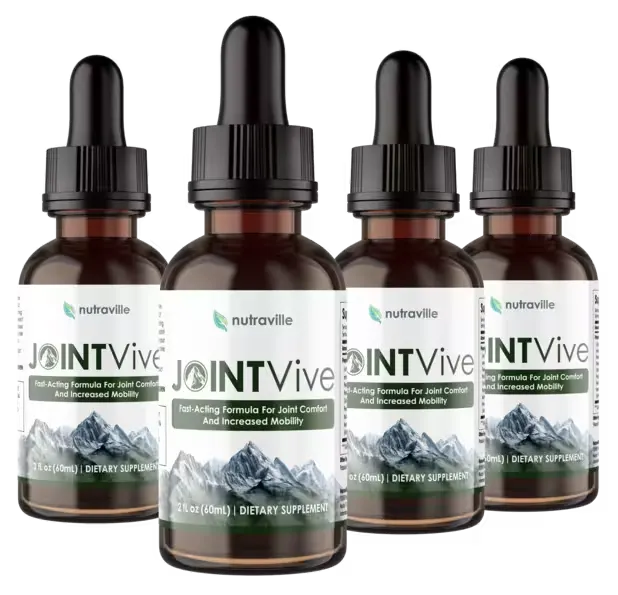
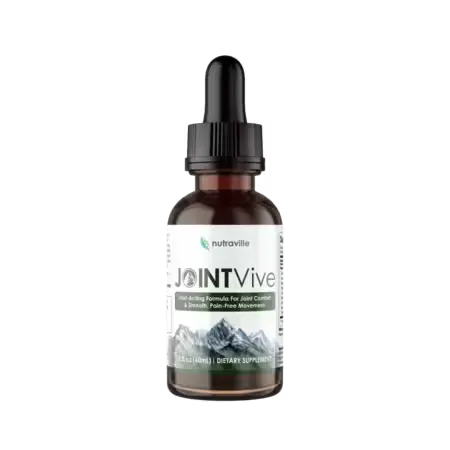
Implementing these natural prevention tips requires consistency and commitment. It's a journey towards a healthier lifestyle that not only helps manage gout but also improves overall well-being. For those seeking additional support for joint health and inflammation, natural supplements can be a complementary option. Products like JointVive, formulated with botanicals known for their anti-inflammatory and antioxidant properties, can help maintain overall joint comfort and support the body's natural response to inflammation, which is crucial for conditions like gout and general joint health.
Supporting Joint Health with Natural Ingredients
While direct uric acid reduction is key for gout, supporting overall joint health and mitigating inflammatory responses can significantly improve comfort and quality of life. Many natural ingredients offer properties that complement a gout prevention strategy by promoting a healthy inflammatory balance and protecting joint tissues. JointVive incorporates several such botanicals.

Bacopa Monnieri
Role: Known for its adaptogenic properties, Bacopa helps the body manage stress, which can be a trigger for inflammatory responses. It also possesses antioxidant and anti-inflammatory effects that can support overall cellular health and reduce oxidative stress in joints.
Optimal range: 300-450mg extract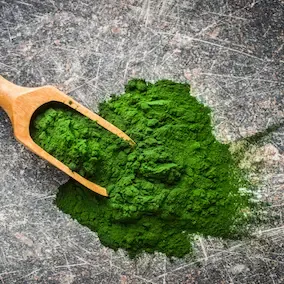
Chlorella
Role: This nutrient-dense algae is a powerful detoxifier, aiding the body in eliminating toxins. Its rich chlorophyll content and antioxidant properties help reduce oxidative stress and support the immune system, indirectly benefiting joint health by reducing systemic inflammation.
Typical dose: 2-5g daily
Ginkgo Biloba
Role: Renowned for its ability to improve circulation and act as a potent antioxidant. Better blood flow ensures nutrients reach joint tissues and waste products are efficiently removed, while its antioxidant action combats free radical damage that can exacerbate joint inflammation.
Standardized extract: 120-240mg daily
Lion's Mane Mushroom
Role: An adaptogenic mushroom with significant anti-inflammatory and neuroprotective properties. While often recognized for cognitive benefits, its ability to modulate immune responses and reduce inflammation can contribute to overall comfort and resilience, including within the joint environment.
Common dose: 500-1000mg extract
Moringa Oleifera
Role: Often called the "miracle tree," Moringa is packed with vitamins, minerals, and powerful anti-inflammatory compounds. Its broad spectrum of nutrients supports cellular health and helps to naturally quell inflammatory pathways, offering comprehensive support for joint and tissue health.
Recommended dose: 1-6g powder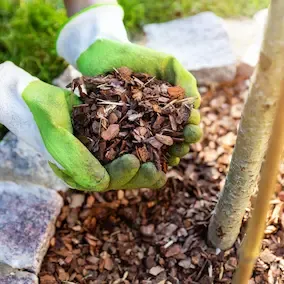
Pine Bark Extract
Role: A rich source of proanthocyanidins, potent antioxidants that can significantly reduce oxidative stress and inflammation. Pine bark extract supports healthy circulation and helps protect connective tissues, making it valuable for maintaining joint integrity and comfort.
Typical dose: 50-100mg daily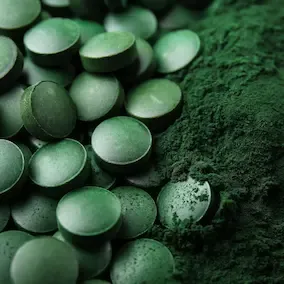
Spirulina
Role: Another powerful superfood algae, Spirulina provides a wealth of protein, vitamins, and minerals. It has demonstrated anti-inflammatory and antioxidant effects, helping to protect cells from damage and support the body's natural defense against chronic inflammation.
General dose: 1-8g daily
Tamarind Seed Extract
Role: Emerging research highlights tamarind seed extract's potential for joint health due to its anti-inflammatory and chondroprotective properties. It may help reduce joint pain and improve cartilage health, offering relief from discomfort associated with various joint conditions.
Studied dose: 250-500mg dailyThese natural ingredients, when combined in a balanced formula like JointVive, aim to provide comprehensive support for joint health, addressing inflammation and oxidative stress that can contribute to overall joint discomfort. While JointVive is not a direct treatment for gout, by fostering a healthier joint environment and supporting the body's natural inflammatory response, it can be a valuable addition to a holistic approach to managing joint health alongside dietary and lifestyle changes. Always consult with your healthcare provider to ensure any supplement fits your individual health needs, especially if you are managing a specific condition like gout or are on other medications. For more on natural anti-inflammatory ingredients, consider reading our review on Turmeric and Boswellia.
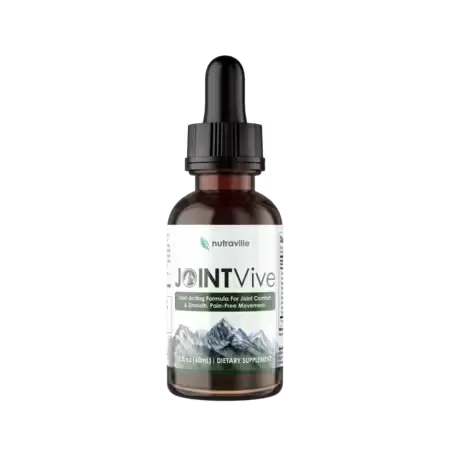
Experience the Difference with JointVive for Optimal Joint Health
Don't let joint pain and inflammation dictate your life. JointVive offers a powerful blend of nature's finest ingredients, meticulously selected to support your body's natural ability to maintain healthy, comfortable joints. By targeting inflammation and nourishing your joint tissues, JointVive can help you move with greater ease and live life to the fullest.
- ✓ Supports healthy inflammatory responses
- ✓ Promotes joint comfort and flexibility
- ✓ Packed with powerful antioxidants
- ✓ Made with 100% natural, high-quality ingredients
- ✓ Manufactured in a GMP-certified facility




Long-Term Management and Outlook
Successfully managing gout is a marathon, not a sprint. It requires ongoing commitment to dietary changes, lifestyle adjustments, and potentially medical treatments. The good news is that with consistent effort, most individuals can significantly reduce the frequency and severity of gout attacks, leading to a much-improved quality of life.
Regular monitoring of uric acid levels is crucial, as recommended by your doctor. This allows for adjustments to your prevention strategy as needed. It's also important to maintain open communication with your healthcare provider, discussing any new symptoms, potential triggers you've identified, or challenges you face in adhering to your plan. Remember that gout management is personalized; what works best for one person might need tweaking for another.
Beyond preventing attacks, long-term management also involves protecting your joints from permanent damage. Untreated or poorly managed gout can lead to chronic gouty arthritis, which can cause joint deformity and limited mobility. The formation of tophi, deposits of uric acid crystals in soft tissues, can also occur, leading to pain and disfigurement. By proactively managing your gout, you not only alleviate immediate pain but also safeguard your joint health for the future.
Embracing a holistic approach that includes diet, exercise, stress reduction, and targeted natural support can empower you to live a life with less gout-related discomfort. The journey to better joint health is achievable, and every small step you take towards healthier habits contributes to your overall well-being. Stay persistent, stay informed, and know that effective management is within reach.
Hear From Our Satisfied Customers
"I used to dread getting out of bed with stiff, aching joints. Since starting JointVive, I've noticed a significant improvement in my morning flexibility and overall comfort. It's truly made a difference in my daily life."
"After years of dealing with persistent joint discomfort, I was skeptical about trying another supplement. JointVive surprised me! The natural ingredients seem to work wonders, and I feel more agile and less bothered by nagging aches."
"My active lifestyle was being hindered by knee and ankle stiffness. JointVive has helped me get back to my hikes and daily walks without the constant worry of discomfort. Highly recommend it for anyone seeking natural joint support."
Frequently Asked Questions
What is gout and how does it differ from other types of arthritis?
+Gout is a complex form of inflammatory arthritis characterized by sudden, severe attacks of pain, swelling, redness, and tenderness in one or more joints, most commonly the big toe. Unlike osteoarthritis, which results from wear and tear, or rheumatoid arthritis, an autoimmune disease, gout is caused by the accumulation of uric acid crystals in the joints. It's often linked to diet and lifestyle.
What are the primary dietary triggers for gout attacks?
+Dietary triggers for gout primarily include foods high in purines, which the body converts into uric acid. These include red meat, organ meats (like liver, kidney), seafood (especially shellfish, anchovies, sardines), and alcoholic beverages, particularly beer. Sugary drinks, especially those with high-fructose corn syrup, can also increase uric acid levels.
Can stress and dehydration really trigger a gout flare-up?
+Yes, both stress and dehydration can act as significant triggers for gout attacks. Stress can lead to physiological changes that may impact uric acid levels or the body's inflammatory response. Dehydration can concentrate uric acid in the blood, making crystallization more likely. Maintaining adequate hydration is crucial for uric acid excretion.
What natural strategies can help prevent gout attacks?
+Natural prevention strategies for gout focus on managing uric acid levels through diet and lifestyle. This includes adopting a low-purine diet, consuming plenty of water, maintaining a healthy weight, limiting alcohol and sugary drinks, and incorporating foods known for their anti-inflammatory properties like cherries, berries, and vitamin C-rich foods. Regular exercise also plays a vital role.
Is JointVive suitable for people managing gout?
+JointVive is formulated to support overall joint health and manage inflammation, which can be beneficial for individuals experiencing various forms of joint discomfort, including inflammatory conditions like gout. While JointVive does not directly treat gout by lowering uric acid, its natural ingredients are selected for their anti-inflammatory and antioxidant properties, which can help alleviate associated joint pain and promote joint comfort as part of a comprehensive management plan. Always consult your healthcare provider for personalized advice.
How long does it take to see benefits from natural gout prevention methods?
+The time to see benefits from natural gout prevention methods can vary significantly among individuals. Consistent adherence to dietary changes, increased hydration, and lifestyle adjustments often shows improvements within a few weeks to a few months, with fewer and less severe attacks. Long-term commitment is key for sustained management and prevention.
Related Articles
