Are you tired of joint pain limiting your life?
For millions worldwide, the persistent ache and stiffness of joint pain, particularly from conditions like osteoarthritis, can turn simple daily activities into challenging feats. The culprit often lies in the gradual deterioration of articular cartilage – the smooth, protective tissue that cushions our joints.
Understanding the intricate science behind cartilage health is the first step toward finding relief. Today, we're exploring the critical role of collagen type 2, a fundamental building block for joint cartilage, and how it's being harnessed to support repair and alleviate the burden of joint inflammation.
The Foundation of Movement: Understanding Joint Cartilage
Before we delve into the specifics of collagen type 2, it's crucial to understand the tissue it builds: articular cartilage. This remarkable tissue is found at the ends of bones in synovial joints, providing a smooth, low-friction surface that allows bones to glide effortlessly over one another during movement.
Articular cartilage is unique because it lacks blood vessels, nerves, and lymphatic drainage. This means its ability to repair itself after injury or degradation is significantly limited compared to other tissues in the body. Its primary components are water (up to 80%), chondrocytes (cartilage cells), and an extracellular matrix (ECM) composed mainly of collagen fibers and proteoglycans.
The integrity of this ECM is paramount for joint function. When it begins to break down, typically due to age, injury, or conditions like osteoarthritis, the smooth surface becomes rough, leading to pain, stiffness, and reduced mobility. Understanding these foundational elements is key to appreciating how targeted interventions, such as collagen type 2 supplementation, aim to support and preserve joint health.
What is Collagen and Why is it So Important?
Collagen is the most abundant protein in the human body, making up about one-third of its total protein content. It's the primary structural component of connective tissues, including skin, bones, tendons, ligaments, and cartilage. Think of it as the "glue" that holds everything together, providing strength, elasticity, and structural integrity.
There are at least 28 different types of collagen, each with a specific structure and function, found in various parts of the body. For instance, collagen type 1 is predominant in skin, bones, tendons, and ligaments, giving them tensile strength. Collagen type 3 is common in blood vessels and internal organs, providing elasticity.
However, when it comes to joint cartilage, one type reigns supreme: collagen type 2. This specific type forms a dense, interwoven network within the cartilage matrix, providing its unique mechanical properties.
The Unique Role of Collagen Type 2 in Articular Cartilage
Collagen type 2 is the principal structural protein of hyaline cartilage, which is the type of cartilage found in our joints. It constitutes approximately 50-60% of the dry weight of articular cartilage. Its distinctive triple-helical structure forms strong, resistant fibrils that intermesh with other components of the extracellular matrix, particularly proteoglycans like aggrecan.
This intricate arrangement creates a resilient, shock-absorbing tissue capable of withstanding immense pressure and shear forces during movement. The collagen type 2 network provides the tensile strength of cartilage, preventing it from stretching excessively, while the proteoglycans give it its compressive stiffness by retaining water. Together, they create a lubricated, durable surface that allows for smooth, pain-free joint articulation.
Without adequate collagen type 2, cartilage would lose its structural integrity, becoming weak, brittle, and susceptible to damage. This is precisely what happens in conditions like osteoarthritis.
💡 Key Takeaway
Collagen type 2 is the foundational protein of joint cartilage, providing the essential tensile strength and resilience needed for smooth, shock-absorbing joint movement. Its integrity is crucial for preventing conditions like osteoarthritis.
Osteoarthritis: The Erosion of Joint Health
Osteoarthritis (OA) is the most common form of arthritis, affecting millions of people worldwide. It is a degenerative joint disease characterized by the breakdown of articular cartilage, leading to pain, stiffness, swelling, and reduced joint function. While often associated with aging, OA can also be triggered by joint injury, obesity, repetitive stress, and genetic predisposition.
The progression of OA is a vicious cycle. Initial damage to the cartilage, often microscopic, triggers an inflammatory response. This inflammation, in turn, leads to the increased activity of enzymes (matrix metalloproteinases, or MMPs) that further degrade collagen type 2 and other matrix components. As the cartilage thins and erodes, the underlying bone becomes exposed, leading to bone spurs (osteophytes) and bone-on-bone friction, causing severe pain and debilitating symptoms.
Traditional treatments for OA often focus on managing symptoms through pain relievers, anti-inflammatory drugs, physical therapy, and in severe cases, joint replacement surgery. However, there's growing interest in interventions that can address the root cause: the degradation and potential repair of cartilage.
Can Cartilage Repair Itself? The Challenge and the Hope
As mentioned, articular cartilage has a very limited capacity for self-repair. This is due to its avascular and aneural nature, meaning it lacks blood supply and nerve innervation, which are crucial for delivering healing factors. Chondrocytes, the sole cells within cartilage, have a low metabolic rate and limited migratory ability, making it difficult for them to effectively repair significant damage.
However, research has shown that the body does possess some intrinsic mechanisms for cartilage maintenance and a degree of repair, particularly when the right stimuli are present. The goal of many modern joint health strategies, including the use of specific types of collagen, is to support these natural processes and mitigate the destructive cascade of OA.
This is where specialized forms of collagen type 2 come into play, offering a scientific approach to nourishing and potentially supporting the repair of this vital joint tissue. For more information on managing chronic joint pain, you might find our article on Cold and Heat Therapy for Joint Pain and Inflammation helpful.
The Science of Collagen Type 2 Supplementation: Undenatured vs. Hydrolyzed
When considering collagen supplements for joint health, it's essential to understand the distinction between different forms of collagen, especially undenatured (native) collagen type 2 and hydrolyzed collagen.
Hydrolyzed Collagen (Collagen Peptides)
This is the most common form of collagen found in supplements. It undergoes a process called hydrolysis, which breaks down the collagen protein into smaller peptides and amino acids. These smaller fragments are easily absorbed into the bloodstream and can serve as building blocks for collagen synthesis throughout the body, including in joints, skin, and bones. While beneficial for general collagen support, its mechanism for joint-specific repair differs from undenatured type 2.
Undenatured (Native) Collagen Type 2 (UC-II)
Unlike hydrolyzed collagen, undenatured collagen type 2 retains its native, intact triple-helical structure. This structural integrity is crucial for its proposed mechanism of action, which is not primarily about providing building blocks. Instead, UC-II is believed to work through a process called "oral tolerance."
The Oral Tolerance Mechanism
When undenatured collagen type 2 is ingested in small doses, it is thought to interact with immune cells in the Peyer's patches of the gut. These immune cells "recognize" the intact collagen as a non-threat. This recognition can lead to a desensitization of the immune system, reducing its attack on the body's own collagen type 2 in the joints. By modulating the immune response, UC-II may help to decrease inflammation and slow down the enzymatic degradation of cartilage, creating a more favorable environment for cartilage maintenance and repair.
Clinical Evidence for UC-II
Numerous clinical studies have investigated the efficacy of undenatured collagen type 2, particularly UC-II, for managing symptoms of osteoarthritis and joint discomfort. These studies have often shown significant improvements in pain, stiffness, and physical function compared to placebo or even conventional joint supplements like glucosamine and chondroitin. The effective dosage for UC-II is typically much smaller (around 40 mg per day) than for hydrolyzed collagen, due to its immune-mediated mechanism.

Beyond Collagen: A Holistic Approach to Joint Health
While collagen type 2 plays a pivotal role in cartilage health, effective joint care requires a multifaceted approach. Addressing lifestyle factors, diet, and incorporating other supportive nutrients can significantly enhance joint comfort and long-term well-being.
Diet and Nutrition for Healthy Joints
A diet rich in anti-inflammatory foods can be highly beneficial for individuals with osteoarthritis and joint inflammation. This includes:
- Omega-3 Fatty Acids: Found in fatty fish (salmon, mackerel), flaxseeds, and walnuts, omega-3s are powerful anti-inflammatory agents.
- Antioxidants: Berries, leafy greens, and colorful vegetables are packed with antioxidants that combat oxidative stress, a factor in cartilage degradation.
- Vitamin C: Essential for collagen synthesis, vitamin C is found in citrus fruits, bell peppers, and broccoli.
- Vitamin D and Calcium: Crucial for bone health, which provides the foundation for healthy joints.
Conversely, reducing pro-inflammatory foods like refined sugars, processed meats, and excessive saturated fats can help mitigate joint inflammation.
Exercise and Weight Management
Regular, low-impact exercise is vital for joint health. Activities like swimming, cycling, and walking strengthen the muscles supporting the joints, improve flexibility, and enhance nutrient delivery to cartilage through joint fluid circulation. Maintaining a healthy weight is also paramount, as excess body weight places increased stress on weight-bearing joints, accelerating cartilage wear and tear.
Complementary Supplements for Joint Support
Many individuals find additional relief through other natural supplements that work synergistically with collagen type 2. These often include:
- Glucosamine and Chondroitin: These are building blocks for proteoglycans, another key component of cartilage. They are thought to help rebuild cartilage and lubricate joints. To understand their differences, you can read our detailed comparison: JointVive vs. Glucosamine Supplement.
- MSM (Methylsulfonylmethane): A natural sulfur compound that may help reduce pain and inflammation and support connective tissue health.
- Turmeric and Boswellia: These herbs are renowned for their potent anti-inflammatory properties, which can help alleviate joint discomfort. Learn more about these powerful natural remedies in our article: Turmeric and Boswellia Joint Supplement Review.
- Hyaluronic Acid: A component of synovial fluid, responsible for joint lubrication and shock absorption.
Combining these approaches creates a comprehensive strategy for nurturing joint health and managing conditions like osteoarthritis and chronic joint inflammation.
JointVive: A Synergistic Approach to Joint Cartilage Support
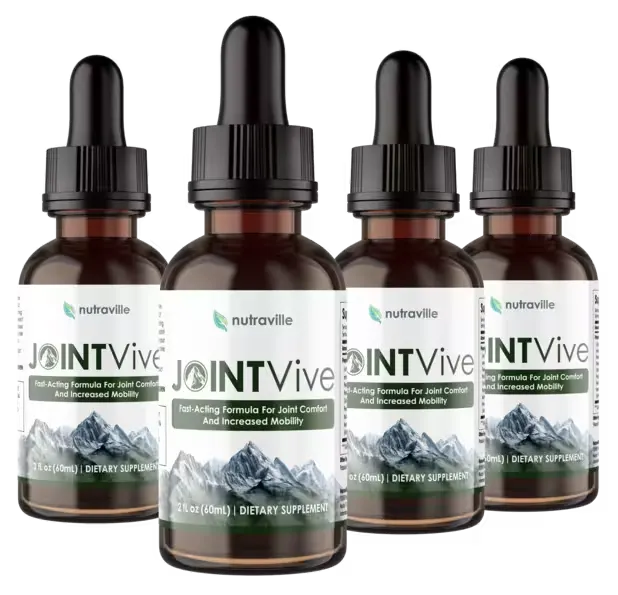
Understanding the complex needs of joint health, JointVive has been formulated to provide comprehensive support, combining the benefits of targeted collagen type 2 with a blend of natural ingredients known for their anti-inflammatory and cartilage-supportive properties. It aims to offer a holistic solution for those seeking relief from joint discomfort and support for cartilage repair.

Bacopa Monnieri
Role: While primarily known for cognitive benefits, Bacopa also exhibits potent adaptogenic and anti-inflammatory properties. These can indirectly support joint health by helping the body manage stress and systemic inflammation, which can exacerbate joint pain.
300-450mg extract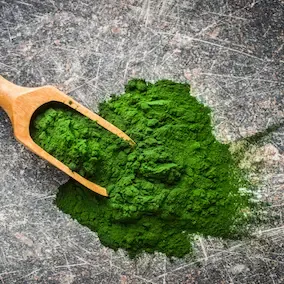
Chlorella
Role: This nutrient-dense freshwater algae is rich in vitamins, minerals, antioxidants, and chlorophyll. It supports detoxification and cellular health, and its anti-inflammatory effects can contribute to overall joint well-being and faster recovery from oxidative stress.
500-1000mg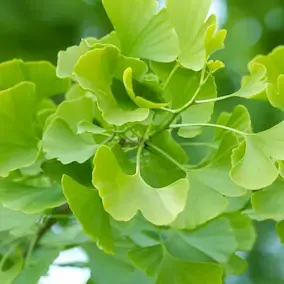
Ginkgo Biloba
Role: Revered for its ability to improve circulation and provide powerful antioxidant support. Enhanced blood flow can aid in nutrient delivery to joint tissues, while its antioxidant capacity helps protect cells from damage caused by inflammation and free radicals.
120-240mg extract
Lion's Mane Mushroom
Role: An adaptogenic mushroom known for its neuroprotective properties, Lion's Mane also possesses anti-inflammatory and immune-modulating effects. By supporting overall systemic balance, it can indirectly help reduce inflammatory responses that impact joint health.
500-1000mg extract
Moringa Oleifera
Role: Often called the "miracle tree," Moringa is packed with vitamins, minerals, amino acids, and powerful antioxidants. Its significant anti-inflammatory compounds can help alleviate joint pain and swelling, contributing to improved joint function and comfort.
500-1500mg
Pine Bark Extract (Pycnogenol)
Role: A potent antioxidant, pine bark extract is well-researched for its anti-inflammatory properties and ability to improve circulation. It can help reduce joint pain and stiffness, protect cartilage from degradation, and support connective tissue health by enhancing collagen and hyaluronic acid production.
50-100mgThis carefully selected blend, when combined with key joint-specific nutrients like collagen type 2, aims to offer a multi-pronged approach to nurturing joint health, reducing inflammation, and supporting the body's natural capacity for repair.

Experience the JointVive Difference for Yourself
If you're ready to take a proactive step towards healthier, more comfortable joints, JointVive offers a scientifically-backed formula designed to support cartilage integrity, reduce inflammation, and enhance overall joint function. Don't let joint pain hold you back from living your best life.
- ✓ Supports Cartilage Repair & Regeneration
- ✓ Reduces Joint Pain & Stiffness
- ✓ Combats Inflammation Naturally
- ✓ Improves Flexibility & Mobility
- ✓ Formulated with Premium, Natural Ingredients




What Our Customers Are Saying
"My knees used to ache constantly, making walks with my grandkids difficult. After a few weeks of JointVive, I feel a noticeable difference in my mobility and comfort. It's truly changed my daily life!"
"I've tried numerous joint supplements over the years, but JointVive stands out. The combination of ingredients seems to work synergistically. My morning stiffness has significantly reduced, and I can enjoy my garden again."
"As an active individual, joint health is paramount. JointVive helps me recover faster and keeps my joints feeling strong and flexible. I recommend it to anyone looking for serious joint support."
Frequently Asked Questions
What is the primary role of collagen type 2 in joints?
+Collagen type 2 is the main structural protein in articular cartilage, providing its tensile strength and elasticity. It forms a dense network that allows cartilage to withstand compression and absorb shock, crucial for smooth joint movement.
How does undenatured (native) collagen type 2 differ from hydrolyzed collagen?
+Undenatured collagen type 2 retains its natural triple-helix structure, which is believed to interact with the immune system to promote joint health through oral tolerance. Hydrolyzed collagen is broken down into smaller peptides and amino acids, primarily serving as building blocks for collagen synthesis throughout the body.
Can collagen type 2 really repair damaged joint cartilage?
+While cartilage has limited self-repair capacity, studies suggest that undenatured collagen type 2 can help support the body's natural cartilage repair processes and reduce degradation. It may modulate the immune response, reducing inflammation and creating a more favorable environment for cartilage maintenance and potential regeneration.
Is collagen type 2 safe to take with other joint supplements?
+In most cases, collagen type 2 is safe to take alongside other joint supplements like glucosamine, chondroitin, or MSM. However, it's always recommended to consult with your physician before combining supplements, especially if you have pre-existing medical conditions or are taking other medications.
How long does it take to see results from collagen type 2 supplementation?
+Results can vary widely among individuals. Some people may notice improvements in joint comfort and mobility within 4-12 weeks, while for others, it might take longer, or the effects may be more subtle. Consistent daily use is key for optimal benefits.
What are common causes of collagen type 2 degradation in joints?
+The most common cause is osteoarthritis, where mechanical stress, inflammation, and enzymatic breakdown lead to cartilage damage. Other factors include aging, joint injuries, repetitive stress, obesity, and certain autoimmune conditions that can accelerate the degradation of collagen type 2.
Related Articles