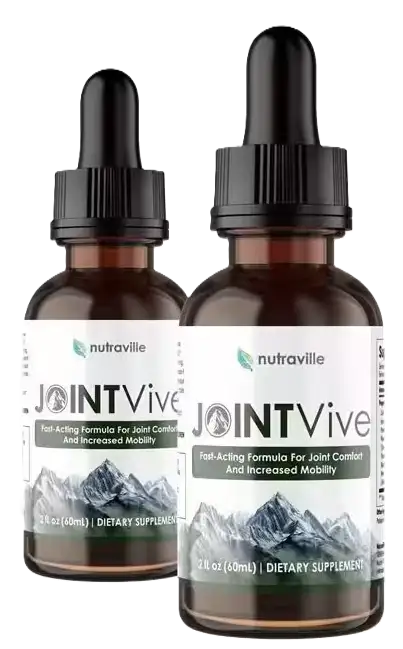
Seeking Natural Relief for Persistent Joint Pain?
Joint discomfort, stiffness, and inflammation can significantly impact your quality of life, making everyday activities a challenge. Millions worldwide grapple with conditions like osteoarthritis, searching for effective solutions that offer relief without harsh side effects.
While conventional treatments have their place, a growing body of scientific evidence is shedding light on the powerful potential of natural compounds. Among these, Boswellia serrata stands out as a promising botanical ally, revered for centuries in traditional medicine and now validated by modern clinical research for its profound anti-inflammatory properties.
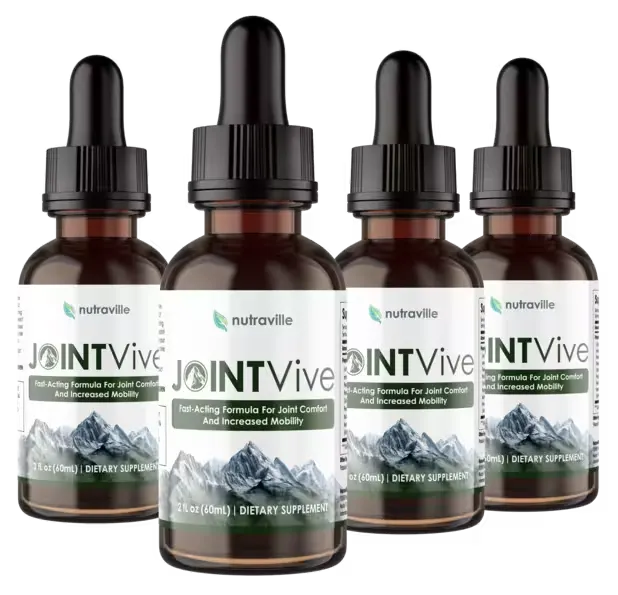
Understanding Boswellia Serrata: A Time-Honored Botanical for Joint Health
Boswellia serrata, often referred to as Indian frankincense, is a gum resin extracted from the Boswellia tree, native to India and parts of Africa. For thousands of years, this potent botanical has been a cornerstone of Ayurvedic medicine, revered for its robust anti-inflammatory properties and its ability to alleviate various ailments, particularly those related to joint and connective tissue health.
The therapeutic efficacy of Boswellia serrata is attributed to its active compounds, primarily a group of triterpenoid acids known as boswellic acids. Among these, acetyl-11-keto-β-boswellic acid (AKBA) is considered one of the most potent, playing a critical role in the plant's anti-inflammatory actions. Unlike many conventional anti-inflammatory drugs that primarily target cyclooxygenase (COX) enzymes, boswellic acids offer a distinct mechanism of action, making them a unique and valuable natural alternative.
Modern scientific inquiry has increasingly focused on validating these traditional uses. Researchers are keen to understand how Boswellia can provide relief for chronic inflammatory conditions like osteoarthritis (OA) and rheumatoid arthritis (RA), often with a more favorable side effect profile compared to synthetic medications. This extensive research has solidified Boswellia's reputation as a powerful natural agent for supporting joint health and mobility.
💡 Key Takeaway
Boswellia serrata, rich in boswellic acids, is an ancient Ayurvedic herb gaining modern scientific validation for its powerful anti-inflammatory effects, particularly beneficial for joint conditions like osteoarthritis, through a unique mechanism of action.
The Science Behind the Relief: How Boswellia Works on Joint Inflammation
To truly appreciate the power of Boswellia serrata, it's essential to delve into its sophisticated mechanisms of action within the body, particularly how it targets the complex pathways of inflammation that contribute to joint pain and degradation.
The primary mechanism through which boswellic acids exert their anti-inflammatory effects is by inhibiting the enzyme 5-lipoxygenase (5-LOX). This enzyme is a key player in the biosynthesis of leukotrienes, which are potent inflammatory mediators. Leukotrienes contribute significantly to the inflammatory response in conditions like osteoarthritis and asthma, causing tissue damage, pain, and swelling. By suppressing 5-LOX, Boswellia effectively reduces the production of these pro-inflammatory molecules, thereby dampening the inflammatory cascade.
Furthermore, Boswellia serrata has been shown to modulate other inflammatory pathways. It can inhibit the activation of NF-κB (Nuclear Factor-kappa B), a protein complex that controls DNA transcription, cytokine production, and cell survival. NF-κB is a central regulator of inflammation and plays a crucial role in the pathogenesis of chronic inflammatory diseases. By interfering with NF-κB signaling, Boswellia helps to reduce the expression of various pro-inflammatory genes, including those for cytokines like TNF-α and IL-6, which are elevated in arthritic conditions.
Beyond its direct anti-inflammatory actions, Boswellia also appears to protect cartilage. Some research suggests it may inhibit enzymes that degrade cartilage, such as matrix metalloproteinases (MMPs), and may even promote the synthesis of glycosaminoglycans, essential components of healthy cartilage. This dual action—reducing inflammation and potentially preserving cartilage—makes Boswellia a comprehensive natural agent for joint health.
The unique anti-inflammatory profile of Boswellia, distinct from NSAIDs (non-steroidal anti-inflammatory drugs) which primarily target COX enzymes, suggests it may offer benefits without the associated gastrointestinal side effects often seen with conventional drugs. This makes it an attractive option for long-term management of chronic joint pain and inflammation.

Clinical Trials: Evidence for Boswellia Serrata in Joint Pain and Osteoarthritis
The efficacy of Boswellia serrata for joint pain and osteoarthritis is not merely anecdotal; it is supported by a growing body of rigorous scientific research, including numerous clinical trials. These studies have consistently demonstrated positive outcomes, affirming its role as a natural therapeutic agent.
Key Findings from Research:
One of the most compelling areas of research focuses on Boswellia's impact on osteoarthritis (OA). Several randomized, double-blind, placebo-controlled trials have investigated its effects on pain, physical function, and stiffness in OA patients. A meta-analysis published in a reputable medical journal concluded that Boswellia extracts significantly improved pain and functional disability in OA patients compared to placebo. Many studies have shown that participants taking Boswellia experienced a noticeable reduction in pain scores (e.g., using the Western Ontario and McMaster Universities Arthritis Index, or WOMAC scale) and an increase in walking distance and joint mobility.
For instance, a study involving patients with knee osteoarthritis found that those receiving a standardized Boswellia extract reported significant improvements in pain and knee function within just seven days, with benefits continuing to accrue over the treatment period. Another trial compared Boswellia extract to a common NSAID for knee OA and found comparable improvements in pain and function, but with fewer adverse events in the Boswellia group, highlighting its favorable safety profile.
Beyond pain relief, some research indicates that Boswellia may also help reduce the need for conventional pain medications. A study observing patients with various forms of arthritis showed that a significant percentage of those treated with Boswellia could reduce or even discontinue their prescribed NSAIDs without worsening symptoms. This suggests Boswellia can be a valuable adjunct or alternative, particularly for individuals seeking to minimize pharmaceutical intake or manage medication side effects.
While the majority of research has focused on osteoarthritis, some preliminary studies also suggest potential benefits for other inflammatory joint conditions, though more extensive research is needed in these areas. The consistent positive results across various studies provide strong evidence for Boswellia serrata as an effective and safe natural option for managing symptoms of joint inflammation and osteoarthritis.
💡 Key Takeaway
Clinical trials consistently show Boswellia serrata significantly reduces pain, improves physical function, and decreases stiffness in osteoarthritis patients, often with a better safety profile than conventional drugs, making it a well-researched natural option.
Optimal Dosage and Administration of Boswellia Serrata
Determining the correct dosage of any supplement is crucial for maximizing its benefits and ensuring safety. For Boswellia serrata, dosage recommendations are typically based on the concentration of its active compounds, boswellic acids, and the specific health condition being addressed.
Standardized Extracts are Key
When choosing a Boswellia supplement, always look for a standardized extract. This means the product contains a guaranteed percentage of active boswellic acids, typically 60-65%. This standardization ensures consistency and potency, as the raw resin can vary widely in its active compound content. Products specifically highlighting AKBA (acetyl-11-keto-β-boswellic acid) content are often preferred due to AKBA's high potency.
Typical Dosage Ranges for Osteoarthritis
For individuals seeking relief from osteoarthritis and general joint inflammation, clinical trials have often utilized dosages ranging from 300 mg to 1000 mg of standardized Boswellia extract per day. This is frequently divided into 2-3 doses throughout the day to maintain consistent levels in the body. For example, a common regimen might be 300 mg of a 65% boswellic acid extract taken three times daily with meals.
Importance of Consistency and Duration
Like many natural supplements, Boswellia serrata works best when taken consistently over time. While some individuals may experience relief within a few weeks, significant improvements in pain and function are often observed after 8-12 weeks of continuous use. It's important not to expect immediate results and to adhere to the recommended dosage for an adequate period to assess its full efficacy.
Administration with Meals
Boswellia extracts are often recommended to be taken with food, particularly meals containing some fat. Boswellic acids are fat-soluble, and consuming them with dietary fats can enhance their absorption, leading to better bioavailability and potentially greater therapeutic effects. Always check the specific instructions on your supplement label.
Consult Your Healthcare Provider
Before starting any new supplement, including Boswellia serrata, it is always advisable to consult with your doctor or a qualified healthcare professional. This is especially important if you have pre-existing medical conditions, are taking other medications (particularly blood thinners or anti-inflammatory drugs), or are pregnant or breastfeeding. They can provide personalized advice and ensure there are no potential interactions or contraindications.
Potential Side Effects and Safety Considerations
While Boswellia serrata is generally considered safe and well-tolerated, especially when compared to conventional anti-inflammatory drugs, it's important to be aware of potential side effects and safety considerations.
The most commonly reported side effects are mild and typically involve the gastrointestinal system. These can include nausea, diarrhea, stomach pain, or heartburn. These effects are usually transient and may be mitigated by taking the supplement with food or adjusting the dosage. If you experience persistent or severe gastrointestinal discomfort, it's best to discontinue use and consult a healthcare professional.
Allergic reactions, though rare, can occur. Symptoms might include skin rash, itching, or swelling. If you suspect an allergic reaction, seek immediate medical attention.
Drug Interactions: Boswellia may interact with certain medications. Due to its anti-inflammatory effects, there is a theoretical concern that it could enhance the effects of blood-thinning medications (anticoagulants), potentially increasing the risk of bleeding. If you are taking warfarin, aspirin, or other blood thinners, consult your doctor before using Boswellia. Similarly, since it modulates inflammation, it might theoretically interact with other anti-inflammatory drugs or immunosuppressants. Always disclose all supplements you are taking to your healthcare provider.
Specific Populations: Pregnant and breastfeeding women are generally advised to avoid Boswellia due to a lack of sufficient safety data. Individuals with certain medical conditions, such as liver or kidney disease, should also exercise caution and consult their physician before use.
Overall, Boswellia serrata has a favorable safety profile for most individuals when taken within recommended dosages. However, vigilance and professional medical advice are always recommended to ensure it is suitable for your individual health needs. For more information on managing joint pain, you might find our article on Cold vs. Heat Therapy: Which is Better for Joint Pain and Inflammation? helpful.
Beyond Boswellia: A Holistic Approach to Joint Health
Synergistic Ingredients
While Boswellia serrata is a star player in joint support, its benefits can often be enhanced when combined with other natural ingredients. Many comprehensive joint supplements, like JointVive, formulate Boswellia with compounds such as turmeric (curcumin), glucosamine, chondroitin, MSM, and collagen. These ingredients work synergistically, targeting different aspects of joint health, from reducing inflammation to supporting cartilage repair and lubrication. This multi-faceted approach often yields more profound and lasting relief.
Lifestyle and Exercise
Supplementation is just one piece of the puzzle. A healthy lifestyle, including regular, low-impact exercise, is paramount for joint health. Activities like swimming, cycling, and walking help strengthen the muscles surrounding joints, improve flexibility, and promote circulation without excessive strain. Maintaining a healthy weight also significantly reduces stress on weight-bearing joints, which can alleviate pain and slow the progression of conditions like osteoarthritis. Consult a physical therapist for tailored exercise plans.
Anti-Inflammatory Diet
Nutrition plays a critical role in managing joint inflammation. Adopting an anti-inflammatory diet rich in fruits, vegetables, whole grains, lean proteins, and healthy fats (like omega-3s found in fish, flaxseed, and walnuts) can significantly reduce systemic inflammation. Conversely, limiting processed foods, excessive sugar, and unhealthy fats can help prevent inflammatory flare-ups. A balanced diet provides essential nutrients for cartilage maintenance and overall well-being. For more dietary insights, explore our guide on Choosing the Best Supplement for Creaky Joints.
Stress Management
Chronic stress can exacerbate inflammatory conditions and heighten pain perception. Incorporating stress-reduction techniques such as meditation, yoga, deep breathing exercises, or spending time in nature can have a profound positive impact on overall health, including joint comfort. By reducing stress, you can help calm the body's inflammatory response and improve your ability to cope with chronic pain, leading to a better quality of life.
Complementary Ingredients for Enhanced Joint Support
While Boswellia serrata is a cornerstone for natural joint support, many effective joint supplements, including JointVive, incorporate a range of other botanicals and nutrients that work synergistically to provide comprehensive relief and long-term joint health. Here are a few examples of ingredients often found alongside Boswellia, offering diverse benefits.

Pine Bark Extract
Role: Rich in proanthocyanidins, pine bark extract (like Pycnogenol) is a powerful antioxidant that helps protect joint tissues from oxidative damage. It also supports healthy blood circulation, delivering vital nutrients to joints and aiding in the removal of waste products, which can reduce swelling and discomfort.
50-150 mg daily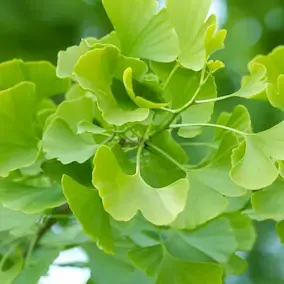
Ginkgo Biloba
Role: Known for its brain-boosting properties, Ginkgo Biloba also offers benefits for circulatory health and has antioxidant capabilities. Improved blood flow can be beneficial for delivering anti-inflammatory compounds to affected joints and promoting overall tissue health, indirectly supporting joint comfort.
120-240 mg daily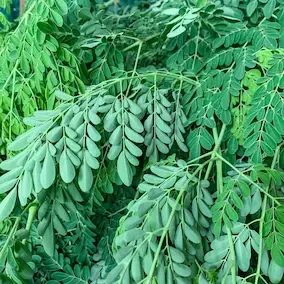
Moringa Oleifera
Role: Often called the "miracle tree," Moringa is packed with vitamins, minerals, antioxidants, and anti-inflammatory compounds. Its broad nutritional profile supports overall bodily health, which can indirectly contribute to reducing systemic inflammation and providing the building blocks for tissue repair, including joint components.
500-1500 mg daily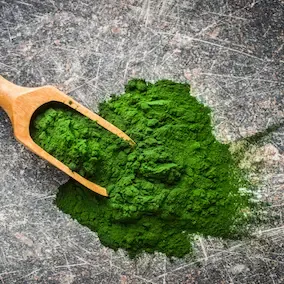
Chlorella
Role: This green algae is a complete protein and a potent detoxifier, supporting cellular health and immune function. By helping the body eliminate toxins and providing a rich array of nutrients, Chlorella can contribute to a healthier internal environment, potentially reducing the burden on inflammatory pathways and supporting tissue regeneration.
1-5 grams dailyThese ingredients, when combined with the potent effects of Boswellia serrata, create a powerful synergy that addresses joint pain and inflammation from multiple angles. This comprehensive approach is often more effective than relying on a single ingredient, offering broad-spectrum support for long-term joint health and mobility. To understand how collagen specifically aids in joint support, you may want to read our article on Collagen Supplements for Joint Pain and Cartilage Support.
Experience the JointVive Difference: Comprehensive Support with Boswellia
If you're ready to move beyond persistent joint pain and embrace a life of greater mobility and comfort, JointVive offers a meticulously crafted solution. Our advanced formula harnesses the clinically validated power of Boswellia serrata, combined with other synergistic natural ingredients, to provide comprehensive support for your joints.
- Targeted Inflammation Support: Features a potent Boswellia serrata extract to combat joint inflammation.
- Cartilage Preservation: Ingredients chosen to support the health and integrity of joint cartilage.
- Enhanced Mobility & Flexibility: Helps reduce stiffness and improve range of motion.
- 100% Natural & Non-GMO: Crafted with pure, high-quality botanical extracts.
- Made in USA & GMP Certified: Manufactured in a state-of-the-art facility ensuring purity and potency.



What Our Customers Are Saying About JointVive
"I was skeptical at first, but JointVive has truly made a difference. My knee pain from osteoarthritis has significantly reduced, and I can now enjoy walks with my dog again. The Boswellia in it seems to work wonders!"
"Chronic joint stiffness was a daily struggle. After trying JointVive for a couple of months, I feel much more flexible, and the morning stiffness is almost gone. It's a natural way to support my joints that actually works."
"As an active senior, joint health is paramount. JointVive, with its Boswellia content, has helped me maintain my active lifestyle without the constant aches. I feel more energetic and my joints are happier. Highly recommend!"
Frequently Asked Questions
What is Boswellia serrata and how does it help joint pain?
+Boswellia serrata, also known as Indian frankincense, is a resin extract from the Boswellia tree. Its therapeutic properties stem primarily from boswellic acids, compounds that have been shown to inhibit the enzyme 5-lipoxygenase (5-LOX). This enzyme plays a crucial role in the production of leukotrienes, which are potent inflammatory mediators in the body. By modulating the inflammatory cascade, Boswellia helps reduce pain, swelling, and stiffness associated with various joint conditions, particularly osteoarthritis.
What do clinical trials say about Boswellia for osteoarthritis?
+Numerous clinical trials have investigated Boswellia serrata for osteoarthritis (OA). Studies have consistently demonstrated its effectiveness in reducing OA symptoms, including pain, swelling, and improving physical function. For example, several randomized, placebo-controlled trials have shown significant improvements in pain scores (e.g., WOMAC pain subscale) and functional ability compared to placebo. Some studies have even found comparable efficacy to certain conventional anti-inflammatory drugs, but with fewer side effects. The evidence supports Boswellia as a viable natural option for managing OA symptoms.
What is the recommended dosage for Boswellia serrata?
+The optimal dosage of Boswellia serrata can vary depending on the specific extract and the concentration of boswellic acids. Most clinical trials have used standardized extracts containing 60-65% boswellic acids, with daily dosages ranging from 300 mg to 1000 mg, often divided into two or three doses. For general joint support, a common recommendation is 300-500 mg of a standardized extract (65% boswellic acids) taken 2-3 times daily. It's crucial to follow the manufacturer's instructions for your specific supplement and consult with a healthcare professional for personalized advice.
Are there any side effects or precautions when taking Boswellia?
+Boswellia serrata is generally well-tolerated with a low incidence of side effects. The most commonly reported side effects are mild gastrointestinal issues such as nausea, diarrhea, stomach pain, or heartburn, especially at higher doses. In rare cases, allergic reactions have been observed. Individuals taking blood-thinning medications, or those with underlying liver or kidney conditions, should consult their doctor before taking Boswellia. Pregnant or breastfeeding women should also avoid its use due to insufficient safety data.
How long does it take for Boswellia serrata to show results for joint pain?
+The time it takes to experience benefits from Boswellia serrata can vary among individuals. Some people may notice improvements in pain and stiffness within a few weeks (2-4 weeks) of consistent use, while for others, it may take longer, up to 8-12 weeks, to observe significant effects. The anti-inflammatory effects tend to build up over time. Consistency in dosage and adherence to the recommended regimen are key to achieving optimal results. Patience is important when using natural supplements for chronic conditions.
Can Boswellia serrata be combined with other joint supplements?
+Yes, Boswellia serrata is often combined with other joint-supportive ingredients to enhance its efficacy. Common combinations include turmeric (curcumin), ginger, glucosamine, chondroitin, MSM, and collagen. These ingredients often work synergistically, targeting different pathways involved in joint inflammation, cartilage health, and pain relief. When considering a combination supplement, it's always best to choose reputable brands and consult with a healthcare provider to ensure the combination is appropriate for your specific needs and to avoid potential interactions.
Related Articles