Are You Overlooking a Key Factor in Your Persistent Joint Pain and Arthritis?
Millions worldwide grapple with the debilitating effects of arthritis and chronic joint pain, constantly seeking effective relief. While many focus on direct treatments for inflammation and cartilage degradation, a fundamental nutrient often flies under the radar: Vitamin D.
Recent research, including studies from 2026, increasingly highlights that a significant percentage of individuals suffering from joint issues, especially osteoarthritis, also present with a suboptimal or deficient level of this essential "sunshine vitamin." This deficiency isn't just a coincidence; it actively contributes to the severity and progression of joint discomfort and inflammation.
The Unseen Connection: Vitamin D and Your Joints
Vitamin D, often celebrated for its role in bone health, is far more than just a calcium absorption aid. It's a pro-hormone that influences over 200 genes and impacts nearly every system in the body, including the immune system and inflammatory responses crucial for joint integrity.
For those battling osteoarthritis (OA) and other forms of joint inflammation, understanding Vitamin D's multifaceted functions is paramount. OA, characterized by the breakdown of cartilage and underlying bone, is not merely a "wear and tear" disease but a complex condition involving chronic inflammation and impaired tissue repair. It is in this intricate biological landscape that Vitamin D exerts its profound influence, often subtly, but with significant long-term consequences for joint comfort and mobility.
A growing body of scientific evidence suggests that insufficient Vitamin D levels can exacerbate the inflammatory processes associated with arthritis, contribute to pain signaling, and even accelerate cartilage degradation. This makes addressing a deficiency not just a good idea, but a critical component of any comprehensive strategy for managing and potentially slowing the progression of joint disease. This article will delve deep into the science behind this connection, explore how to identify and rectify a deficiency, and discuss holistic approaches to joint health.
💡 Key Takeaway
Vitamin D deficiency is a widespread issue that significantly contributes to the severity and progression of osteoarthritis and joint inflammation. Its roles in bone metabolism, immune modulation, and anti-inflammatory pathways make it a critical, yet often overlooked, factor in managing chronic joint pain.
The Multifaceted Role of Vitamin D in Joint Health
Vitamin D doesn't just work on one pathway; it's a systemic player with several mechanisms directly impacting joint integrity and function.
First and foremost, Vitamin D is essential for calcium and phosphate homeostasis. Without adequate Vitamin D, your body cannot effectively absorb calcium from your diet, leading to lower calcium levels. This can prompt the body to draw calcium from bones, weakening them over time. Strong bones are the foundation for healthy joints, and compromised bone density can indirectly stress cartilage and other joint structures, making them more vulnerable to damage and accelerating conditions like OA.
Secondly, Vitamin D acts as a powerful immunomodulator. It helps regulate the immune system, preventing it from overreacting and causing chronic inflammation. In autoimmune conditions like rheumatoid arthritis, Vitamin D deficiency is often observed and is linked to increased disease activity. Even in osteoarthritis, which has an inflammatory component, sufficient Vitamin D can help temper the inflammatory cascade, reducing the production of pro-inflammatory cytokines that degrade cartilage.
Furthermore, Vitamin D receptors are found on various joint cells, including chondrocytes (cartilage cells) and synoviocytes (cells lining the joint capsule). This suggests a direct role in cartilage maintenance and repair. Studies indicate that optimal Vitamin D levels may protect chondrocytes from damage and support their ability to produce new cartilage matrix, crucial for joint cushioning and smooth movement. A deficiency, conversely, impairs these protective mechanisms, potentially speeding up cartilage breakdown and worsening pain.
Lastly, Vitamin D has been implicated in pain perception. Some research suggests that individuals with low Vitamin D levels may experience higher pain sensitivity. While not fully understood, this could be due to its influence on nerve growth factors or its general anti-inflammatory effects. Correcting a deficiency might therefore not only address the root causes of joint deterioration but also directly contribute to reduced pain levels.
How Vitamin D Deficiency Directly Worsens Arthritis
When Vitamin D levels plummet, the delicate balance within your joints is disrupted, leading to several detrimental effects that amplify arthritis symptoms and accelerate disease progression.
Increased Cartilage Degradation
Vitamin D plays a role in the health and regeneration of chondrocytes, the cells responsible for maintaining cartilage. Without sufficient Vitamin D, these cells become less efficient, leading to a faster breakdown of articular cartilage, which is the protective tissue cushioning your joints. This accelerates the "wear and tear" aspect of osteoarthritis, making joints more susceptible to friction and damage.
Heightened Inflammation and Pain
Vitamin D has powerful anti-inflammatory properties. A deficiency can lead to an upregulation of pro-inflammatory cytokines and markers within the joint, fueling the inflammatory cycle characteristic of arthritis. This chronic inflammation directly contributes to swelling, stiffness, and increased pain perception. Correcting a deficiency can help dampen this inflammatory response, offering significant relief.
Weaker Bones and Subchondral Bone Damage
As Vitamin D is crucial for calcium absorption, its deficiency can result in lower bone mineral density. In arthritis, the subchondral bone (bone beneath the cartilage) is often affected. Weakened subchondral bone cannot adequately support the overlying cartilage, leading to microfractures and structural changes that further destabilize the joint and worsen pain. This creates a vicious cycle of deterioration.
Impaired Muscle Function and Joint Stability
Vitamin D is also vital for muscle strength and function. Low levels can lead to muscle weakness and atrophy, particularly in the muscles surrounding major joints. Weaker supporting muscles reduce joint stability, increasing the load on the joint structures and making them more prone to injury and pain. Improving Vitamin D status can enhance muscle strength, providing better support for compromised joints.
Increased Risk of Disease Progression
Multiple epidemiological studies have shown a clear correlation between Vitamin D deficiency and a faster progression of osteoarthritis, especially in weight-bearing joints like the knees and hips. Patients with persistently low Vitamin D levels often experience more rapid cartilage loss and functional decline compared to those with adequate levels. This highlights Vitamin D as a modifiable risk factor in arthritis management.

Identifying and Addressing Vitamin D Deficiency
Recognizing a Vitamin D deficiency is the first step towards mitigating its impact on your joint health. It's often called the "silent epidemic" because symptoms can be subtle and easily mistaken for other conditions.
Common symptoms of Vitamin D deficiency include chronic fatigue, generalized muscle weakness, bone pain, mood changes, and frequent infections. For individuals with arthritis, these symptoms can exacerbate existing joint discomfort, making it harder to differentiate. The most accurate way to diagnose a deficiency is through a simple blood test measuring 25-hydroxyvitamin D levels. A level below 20 ng/mL is generally considered deficient, while 21-29 ng/mL is insufficient. Optimal levels are typically between 30-60 ng/mL.
Once identified, addressing the deficiency involves a multi-pronged approach:
- Sunlight Exposure: Approximately 10-30 minutes of midday sun exposure several times a week, without sunscreen, can stimulate Vitamin D production in the skin. However, factors like skin type, geographic location, season, and age can significantly affect this.
- Dietary Sources: Incorporate foods rich in Vitamin D, such as fatty fish (salmon, mackerel, tuna), cod liver oil, and fortified foods like milk, cereals, and some orange juices. While beneficial, it's often challenging to get sufficient Vitamin D solely from diet.
- Supplementation: For many, especially those with limited sun exposure or diagnosed deficiency, Vitamin D supplementation (typically D3, cholecalciferol) is the most effective way to raise levels. Dosages vary widely based on individual needs and current levels, often ranging from 1000 IU to 5000 IU or more daily, under medical supervision.
It's crucial to consult with a healthcare professional before starting any high-dose supplementation, as excessive Vitamin D can also be harmful. Your doctor can recommend the appropriate dosage and monitor your levels to ensure safety and effectiveness. For a deeper dive into effective joint support, you might want to explore articles like "What is the Best Joint Health Supplement?" to understand various options.
Beyond Vitamin D: A Holistic Approach to Joint Wellness
While Vitamin D is undeniably critical, it's one piece of a larger puzzle. Optimal joint health, especially when managing osteoarthritis and inflammation, requires a holistic strategy encompassing lifestyle, diet, and targeted supplementation.
Regular, Low-Impact Exercise
Engaging in activities like swimming, cycling, walking, and yoga helps strengthen muscles around the joints, improve flexibility, and increase blood flow, delivering vital nutrients to cartilage. Exercise also helps maintain a healthy weight, reducing stress on weight-bearing joints.
Anti-Inflammatory Diet
Emphasize whole, unprocessed foods. Include plenty of fruits, vegetables, whole grains, and lean proteins. Focus on sources of Omega-3 fatty acids (fatty fish, flaxseed), which are natural anti-inflammatories. Limit processed foods, sugar, and unhealthy fats that can promote systemic inflammation.
Weight Management
Every pound of excess body weight adds significant pressure to your knees and hips. Losing even a small amount of weight can dramatically reduce stress on joints, alleviate pain, and slow the progression of osteoarthritis.
Targeted Nutritional Support
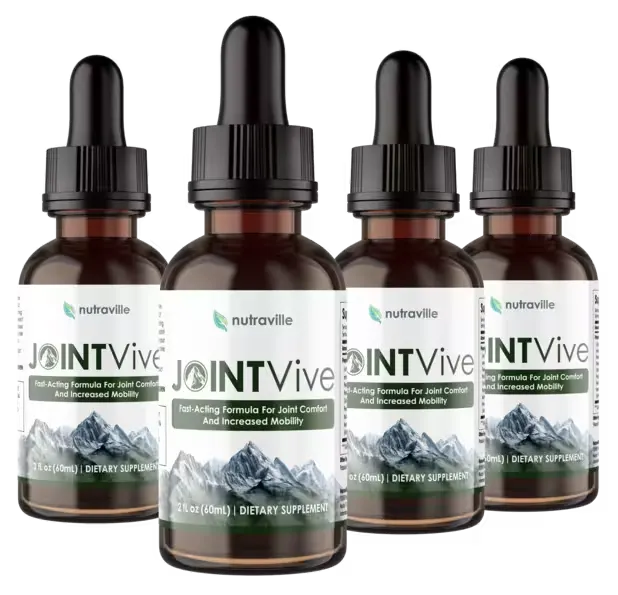
Beyond Vitamin D, certain nutrients and botanical extracts have demonstrated efficacy in supporting joint health. Ingredients like Glucosamine, Chondroitin, MSM, Turmeric, Ginger, and specific adaptogens can work synergistically to reduce inflammation, protect cartilage, and improve mobility. For example, a supplement like JointVive is formulated with a blend of such ingredients, including Vitamin D, to offer comprehensive support.
Adequate Rest and Stress Reduction
Allowing your body sufficient time to rest and recover is crucial for joint repair. Chronic stress can also worsen inflammation and pain perception. Incorporate stress-reducing practices like meditation, deep breathing, or hobbies to support overall well-being and joint health.
Introducing JointVive: A Comprehensive Approach to Joint Support
Understanding that joint health is multifaceted, JointVive was formulated not just to address one aspect, but to provide holistic support. It combines essential vitamins like Vitamin D with a powerful blend of natural botanical extracts and compounds known for their anti-inflammatory, antioxidant, and cartilage-supporting properties.
While Vitamin D is a foundational element, JointVive integrates it within a synergistic matrix of ingredients designed to:
- Help reduce joint inflammation and discomfort.
- Support cartilage integrity and regeneration.
- Enhance joint flexibility and mobility.
- Provide antioxidant protection against oxidative stress.
- Support overall bone and muscle strength.
Let's explore some of the key ingredients that make JointVive a powerful ally in your journey towards improved joint health. For more detailed scientific backing on each component, refer to "JointVive Ingredients: Science & Clinical Evidence."

Tamarind Extract (Tamarindus indica)
Role: Known for its potent anti-inflammatory properties, Tamarind extract helps reduce joint pain and stiffness by inhibiting key inflammatory enzymes. It also supports cartilage protection and improves joint mobility.
Standardized to 200-400mg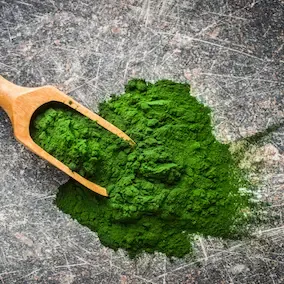
Chlorella (Chlorella vulgaris)
Role: This nutrient-dense algae is a powerful detoxifier and antioxidant. It helps reduce oxidative stress in the joints, which is a major contributor to cartilage damage and inflammation in arthritis. Chlorella also supports immune function.
Typically 500-1000mg
Spirulina (Arthrospira platensis)
Role: Another potent blue-green algae, Spirulina is rich in proteins, vitamins, minerals, and antioxidants. It exhibits strong anti-inflammatory effects, helping to alleviate joint swelling and pain. Its comprehensive nutrient profile also supports overall cellular health.
Typically 500-1000mg
Moringa Oleifera
Role: Often called the "miracle tree," Moringa is packed with vitamins, minerals, and powerful anti-inflammatory compounds. It helps reduce inflammation in joint tissues and provides vital nutrients that support cartilage repair and overall joint resilience.
Typically 300-600mg
Pine Bark Extract (Pinus pinaster)
Role: A rich source of proanthocyanidins, Pine Bark Extract is a potent antioxidant and anti-inflammatory agent. It helps protect joint tissues from free radical damage and reduces inflammatory markers, leading to less pain and improved function in arthritic joints.
Standardized to 50-150mg
Ginkgo Biloba
Role: Known for its circulatory benefits, Ginkgo Biloba improves blood flow to tissues, including those around the joints. Enhanced circulation can aid in delivering nutrients and removing waste products, supporting joint repair and reducing inflammation. It also possesses antioxidant properties.
Standardized to 60-120mg
Bacopa Monnieri
Role: Primarily known as a cognitive enhancer, Bacopa also exhibits significant anti-inflammatory and antioxidant properties. By reducing systemic inflammation and oxidative stress, it contributes to a healthier internal environment, indirectly supporting joint comfort and cellular repair.
Standardized to 150-300mg
Lion's Mane Mushroom (Hericium erinaceus)
Role: This medicinal mushroom is celebrated for its neuroprotective and anti-inflammatory effects. It helps modulate the immune response and reduce inflammation, which can be beneficial in managing the chronic inflammatory components of arthritis and supporting nerve health around painful joints.
Typically 500-1000mg
Ready to Experience Comprehensive Joint Comfort?
Don't let Vitamin D deficiency or chronic joint pain dictate your life. JointVive offers a meticulously crafted formula designed to support your joints from multiple angles, combining essential Vitamin D with a powerful blend of nature's best anti-inflammatory and cartilage-supporting ingredients.
- ✓ Supports healthy Vitamin D levels crucial for joint and bone health.
- ✓ Formulated with potent anti-inflammatory botanical extracts.
- ✓ Helps reduce discomfort, stiffness, and improves mobility.
- ✓ Provides powerful antioxidant protection for joint tissues.
- ✓ Made with 100% natural, non-GMO ingredients in the USA.




What Our Customers Are Saying
"I was skeptical at first, but after a few weeks of taking JointVive, my knee pain significantly decreased. I've tried other supplements, but nothing has worked as well. My doctor even commented on my improved mobility!"
"For years, my hands ached every morning. I started JointVive and noticed a difference in stiffness within a month. It's truly helped me get back to gardening, which I love. Highly recommend for anyone with joint issues."
"I was diagnosed with low Vitamin D and mild arthritis. JointVive seemed like a good fit, combining D with other natural ingredients. My energy is up, and my hip pain is much more manageable. It's been a game-changer for my daily comfort."
Frequently Asked Questions
What is the primary link between Vitamin D deficiency and joint pain?
+Vitamin D plays a crucial role in calcium absorption and bone metabolism, directly impacting bone density and cartilage health. A deficiency can lead to weaker bones and cartilage, increasing susceptibility to damage and exacerbating conditions like osteoarthritis. Furthermore, Vitamin D has immunomodulatory and anti-inflammatory properties, meaning its absence can lead to increased systemic inflammation, a key driver of arthritis pain and progression.
How much Vitamin D is generally recommended for joint health?
+While optimal levels can vary based on age, health status, and sun exposure, many health organizations recommend a daily intake of 600-800 IU (International Units) for adults, and some experts suggest even higher, up to 1000-2000 IU, especially for individuals with deficiency or specific conditions. It's always best to consult with a healthcare professional to determine your specific needs and avoid excessive intake, which can also be harmful.
Can increasing Vitamin D intake reverse existing arthritis damage?
+While Vitamin D is vital for maintaining joint health and can help manage symptoms, it's generally not considered a cure for existing arthritis damage, particularly severe cartilage degeneration. However, adequate Vitamin D levels can slow progression, reduce inflammation, improve pain management, and enhance overall bone and muscle strength, which indirectly supports joint function. It's an important part of a comprehensive management plan.
What are the best sources of Vitamin D for someone with joint issues?
+The primary natural source is sunlight exposure, as your skin produces Vitamin D when exposed to UV-B rays. Dietary sources include fatty fish (salmon, mackerel, tuna), cod liver oil, and fortified foods like milk, cereals, and orange juice. For many, especially those with limited sun exposure or dietary restrictions, Vitamin D supplements are a convenient and effective way to ensure adequate intake. Always choose high-quality supplements and consult a doctor.
Are there other nutrients or ingredients that work synergistically with Vitamin D for joint health?
+Absolutely. Vitamin D works closely with calcium and magnesium for bone health. Beyond that, a range of anti-inflammatory and antioxidant compounds can complement its effects. Ingredients like turmeric (curcumin), ginger, Omega-3 fatty acids, glucosamine, chondroitin, and certain botanical extracts are often used in conjunction with Vitamin D to provide comprehensive joint support. JointVive, for example, combines Vitamin D with a blend of natural ingredients known for their anti-inflammatory and antioxidant properties to support overall joint wellness.
How long does it take to see improvements in joint pain after correcting a Vitamin D deficiency?
+The timeline for improvement can vary significantly among individuals. If joint pain is largely attributable to Vitamin D deficiency, some people may start to notice subtle improvements in energy levels, muscle aches, and general discomfort within a few weeks to a couple of months of consistent and adequate supplementation. However, for chronic conditions like osteoarthritis, where structural damage is present, a more comprehensive approach is needed, and noticeable changes in joint pain might take longer, often several months, as the body works to reduce inflammation and strengthen supporting structures. Consistency is key.
Related Articles