Are you struggling with persistent joint pain, stiffness, and inflammation caused by arthritis?
For millions worldwide, the daily challenges of osteoarthritis and joint inflammation can make even simple movements a painful ordeal. The thought of exercise often feels daunting, yet medical professionals consistently emphasize its critical role in managing arthritis symptoms and preserving joint function.
But what if there was an exercise that offered profound relief, allowed for greater range of motion, and strengthened muscles without putting undue stress on your delicate joints? The answer, for many, lies in the water. Swimming for arthritis isn't just a gentle activity; it's a powerful, low-impact therapy that can transform your joint health and quality of life.
The Arthritis Epidemic: Understanding Joint Pain and Inflammation
Before we dive into the therapeutic wonders of swimming, it's crucial to grasp the nature of osteoarthritis and chronic joint inflammation. These conditions are not merely aches and pains; they represent a significant challenge to mobility and well-being.
Osteoarthritis (OA) is the most common form of arthritis, affecting millions globally. It occurs when the protective cartilage that cushions the ends of your bones wears down over time. This leads to bone-on-bone friction, causing pain, stiffness, and swelling. Beyond the physical discomfort, OA can severely limit daily activities, impacting quality of life and even mental health. The inflammation associated with arthritis further exacerbates pain and can contribute to cartilage degradation, creating a vicious cycle of discomfort and damage.
Managing arthritis typically involves a multi-faceted approach, including medication, physical therapy, lifestyle adjustments, and targeted exercises. The goal is not just to alleviate pain but to maintain joint function, improve strength, and prevent further deterioration. However, many conventional exercises can be too impactful, leading to flare-ups and discouraging consistent activity. This is where the unique properties of water become a game-changer for those seeking effective and gentle relief.
💡 Key Takeaway
Osteoarthritis and joint inflammation cause significant pain and mobility issues. While exercise is vital, high-impact activities can worsen symptoms. Swimming offers a unique, low-impact solution that supports joint health without exacerbating pain.
The Science of Buoyancy: Why Water is Your Joints' Best Friend
The secret to swimming's effectiveness for arthritis lies in the principle of buoyancy. Water provides a natural supportive environment that drastically reduces the gravitational load on your joints.
Reduced Joint Stress
When immersed in water up to your neck, your body bears only about 10% of its actual weight. This significant reduction in weight-bearing stress means you can move your joints through a greater range of motion with less pain and discomfort. It protects cartilage and allows for exercise that would be too painful on land.
Improved Range of Motion
The decreased impact combined with the water's gentle resistance enables you to stretch and move stiff joints more freely. This can help improve flexibility, reduce stiffness, and increase the overall range of motion in affected joints, which is crucial for maintaining independence and performing daily tasks.
Muscle Strengthening
While buoyancy reduces impact, water also provides natural resistance in all directions. Every movement you make in the water works your muscles, helping to build strength around your joints. Stronger muscles provide better support and stability for compromised joints, further reducing pain and preventing injury.
Decreased Pain and Inflammation
Regular aquatic exercise has been shown to reduce both acute and chronic pain associated with arthritis. The gentle massage of the water combined with improved circulation and reduced joint stress helps to calm inflammation, leading to sustained pain relief and improved comfort.
Enhanced Cardiovascular Health
Swimming is a fantastic full-body workout that significantly benefits your cardiovascular system. Improved heart health contributes to better overall circulation, which is vital for delivering nutrients to joint tissues and removing waste products, indirectly supporting joint healing and reducing inflammation.
Better Balance and Coordination
The unique environment of water challenges your balance and coordination in a safe way. As you move through the water, your core muscles engage to stabilize your body, leading to improved balance on land and reducing the risk of falls, a common concern for individuals with joint issues.
Getting Started: Swimming Techniques for Arthritis Sufferers
Embarking on a swimming routine for arthritis doesn't require Olympic-level skills. The key is to start slowly, listen to your body, and focus on gentle, fluid movements.
Before you jump in, consider a few minutes of gentle warm-up exercises on the pool deck, such as arm circles and leg swings, to prepare your muscles and joints. Once in the water, begin with simple exercises. Walking in water, for instance, can be an excellent starting point. The resistance of the water strengthens your legs and core while the buoyancy supports your body. Gradually, you can introduce more dynamic movements.
Recommended Strokes and Modifications:
- Front Crawl (Freestyle): This stroke offers a balanced, full-body workout. Focus on a smooth, continuous kick and arm stroke. If shoulder or neck pain is an issue, consider using a snorkel to avoid turning your head for breaths.
- Backstroke: Often preferred for its gentle impact and ability to stretch the chest and shoulders. It's excellent for improving spinal flexibility. Ensure smooth arm rotations and a steady flutter kick.
- Water Walking/Jogging: For those new to swimming or with severe joint pain, simply walking or jogging in the shallow end or deep end (with a flotation belt) provides substantial benefits. The water resistance builds strength without the impact of land-based activities.
- Breaststroke (with modifications): While the traditional breaststroke kick can be strenuous on the knees and hips, it can be modified. Try a flutter kick instead of the frog kick, or focus primarily on arm movements with a pull buoy between your legs.
Aim for consistency, perhaps 3-5 times a week, for 20-30 minutes per session. Remember, the goal is not speed or endurance initially, but rather smooth, controlled movements that help lubricate your joints and strengthen supporting muscles. Many people find that combining their aquatic exercise with a supportive supplement, like a high-quality turmeric and boswellia supplement, can further enhance their results.
Always stay hydrated and consider the temperature of the water. Warmer pools (around 83-90°F or 28-32°C) are often more comfortable for individuals with arthritis, as the warmth can help relax muscles and ease joint stiffness. Listen to your body and if you experience any sharp pain, stop the activity and consult with your doctor or physical therapist.
Beyond the Pool: Comprehensive Arthritis Management
Balanced Nutrition
A diet rich in anti-inflammatory foods like fruits, vegetables, lean proteins, and omega-3 fatty acids can significantly impact arthritis symptoms. Avoiding processed foods, excessive sugar, and unhealthy fats can help reduce systemic inflammation and support overall joint health.
Strength Training
While swimming builds strength, incorporating targeted land-based strength training (under guidance) can further stabilize joints. Focus on exercises that don't overload affected joints, using light weights or resistance bands to build muscle mass and support.
Mind-Body Practices
Stress can exacerbate pain. Practices like yoga, tai chi (also excellent low-impact exercises), meditation, and deep breathing can help manage pain perception, improve flexibility, and reduce overall stress, contributing to better arthritis management.
Targeted Supplementation
Many individuals find relief and support for their joint health through natural supplements. Ingredients known for their anti-inflammatory properties, cartilage support, and antioxidant benefits can complement an active lifestyle and healthy diet in managing arthritis symptoms. For example, exploring options like the best supplement for knee joint pain in 2026 might provide additional support.
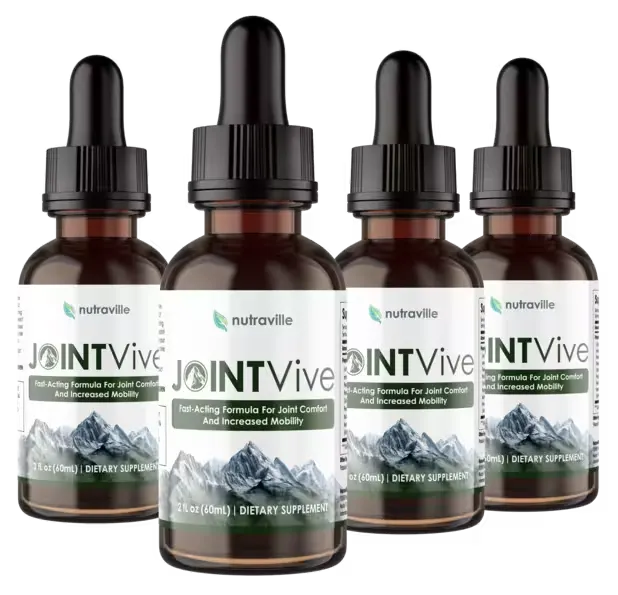
JointVive: A Natural Partner in Your Joint Health Journey
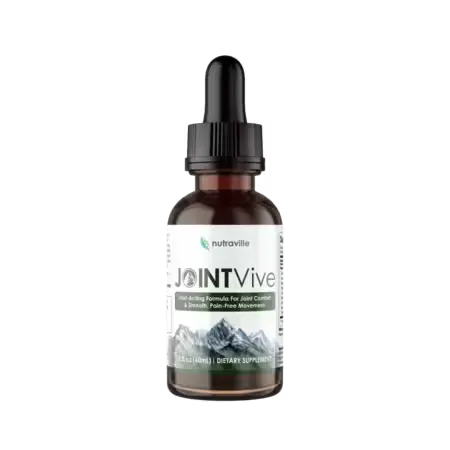
While swimming provides incredible benefits, supporting your body internally with the right nutrients can accelerate your progress and enhance overall joint comfort. JointVive is an all-natural supplement designed to complement your active lifestyle, especially when managing conditions like osteoarthritis and joint inflammation.
JointVive is formulated with a powerful blend of botanicals and compounds known for their anti-inflammatory, antioxidant, and cartilage-supporting properties. It works synergistically to help reduce pain, improve flexibility, and protect your joints from further damage, allowing you to enjoy activities like swimming with greater ease and less discomfort.
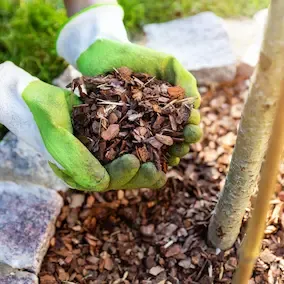
Pine Bark Extract
Role: Potent antioxidant and anti-inflammatory, supports circulation and collagen integrity crucial for joint health.
Typical Dose: 50-100mg daily
Tamarind Seed Extract
Role: Clinically studied for its ability to support joint comfort, flexibility, and reduce inflammation markers.
Typical Dose: 150-250mg daily
Moringa Oleifera
Role: A superfood packed with vitamins, minerals, and anti-inflammatory compounds, supporting overall health and reducing systemic inflammation.
Typical Dose: 500-1000mg daily
Bacopa Monnieri
Role: Known for its adaptogenic and antioxidant properties, helping to manage stress and reduce oxidative damage throughout the body, indirectly benefiting joint health.
Typical Dose: 300-450mg daily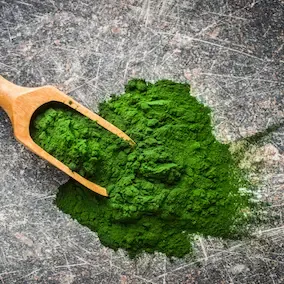
Chlorella
Role: A nutrient-dense algae that supports detoxification and provides a rich source of vitamins and minerals essential for cellular health and repair, including joint tissue.
Typical Dose: 1-3g daily
Ginkgo Biloba
Role: Improves blood circulation, which is vital for delivering nutrients and oxygen to joint tissues and removing inflammatory byproducts, thus aiding healing and comfort.
Typical Dose: 120-240mg daily
Lion's Mane Mushroom
Role: Supports nerve health and has anti-inflammatory properties, potentially beneficial for managing neuropathic pain components often associated with chronic joint conditions.
Typical Dose: 500-1000mg daily
Spirulina
Role: Another powerful superfood algae, rich in protein, antioxidants, and anti-inflammatory compounds, contributing to overall cellular health and reducing systemic inflammation.
Typical Dose: 1-3g dailyBy integrating JointVive into your daily routine, you can provide your body with the internal support it needs to thrive, allowing you to fully embrace the benefits of swimming and other activities that promote joint health.
Ready to Experience Life with Less Joint Pain?
Don't let osteoarthritis and joint inflammation dictate your life. Embrace the freedom of movement that swimming offers and amplify its benefits with JointVive. Our advanced formula is designed to help you regain comfort, flexibility, and an active lifestyle.
- ✓ Reduces joint pain and stiffness
- ✓ Supports healthy cartilage and connective tissue
- ✓ Fights inflammation naturally
- ✓ Boosts overall joint flexibility and mobility
- ✓ Made with 100% natural, scientifically-backed ingredients




What Our Customers Are Saying
"Swimming was already helping my knees, but JointVive took it to another level. I feel less stiff in the mornings and can swim longer without discomfort. Truly a game-changer!"
"My doctor recommended water exercises for my hip arthritis. After a few weeks with JointVive, the pain has significantly reduced, and I'm moving with much more ease in the pool and out."
"I was skeptical, but the combination of my daily swim and JointVive has made a huge difference for my inflamed finger joints. The swelling is down, and I can actually grip things again."
Frequently Asked Questions
Why is swimming considered the best exercise for arthritis?
+Swimming is ideal for arthritis because water buoyancy reduces impact on joints by up to 90%, allowing for pain-free movement, increased range of motion, and muscle strengthening without exacerbating joint pain or inflammation.
What swimming strokes are best for joint pain?
+Gentle strokes like the backstroke and front crawl (freestyle) are often recommended as they promote symmetrical movement and are less strenuous on the knees and hips. Breaststroke can be modified to reduce knee stress by avoiding the 'frog kick'.
How often should someone with arthritis swim?
+Most experts recommend aiming for 30 minutes of moderate-intensity aquatic exercise at least 3-5 times per week. Consistency is key, but always listen to your body and adjust based on pain levels.
Are there any risks to swimming with arthritis?
+While generally safe, individuals with severe arthritis or certain joint conditions should consult their doctor before starting. Cold water might stiffen joints for some, so a heated pool is often preferred. Always start slowly and gradually increase intensity.
Can water aerobics also help with joint inflammation?
+Absolutely. Water aerobics classes provide structured exercises that leverage water resistance for strength training and buoyancy for low-impact cardio, making them excellent for improving flexibility, balance, and reducing inflammation without excessive joint stress.
How can JointVive complement a swimming routine for joint health?
+JointVive supports joint health by providing a blend of natural ingredients designed to reduce inflammation, support cartilage, and improve overall joint comfort. When combined with the low-impact benefits of swimming, it can enhance your body's ability to heal and maintain joint function.
Related Articles